When you train in a home gym, having a free workout logging app makes the difference between random sessions and structured progress tracking. Instead of scribbling sets and reps in a notebook, these apps help you log weights, rest times and personal records, so you can see clear trends over weeks and months. Below is a curated look at some of the best free options, with pros, cons and tips to match each interface to your training style.
Why logging your home workouts really matters
Whether you lift with a barbell, dumbbells or resistance bands, a workout log is essential for progressive overload. By recording every set, rep and load, you can ensure you gradually increase intensity instead of repeating the same session forever. A good workout logging app also keeps all your data in one place: you can tag sessions as push, pull or legs, check how often you train each body part, and spot plateaus before they become frustrating. In a home gym, where there is no coach watching, the app becomes your digital training partner, reminding you what you lifted last time and what to aim for today.
Key features to look for in a free workout log app
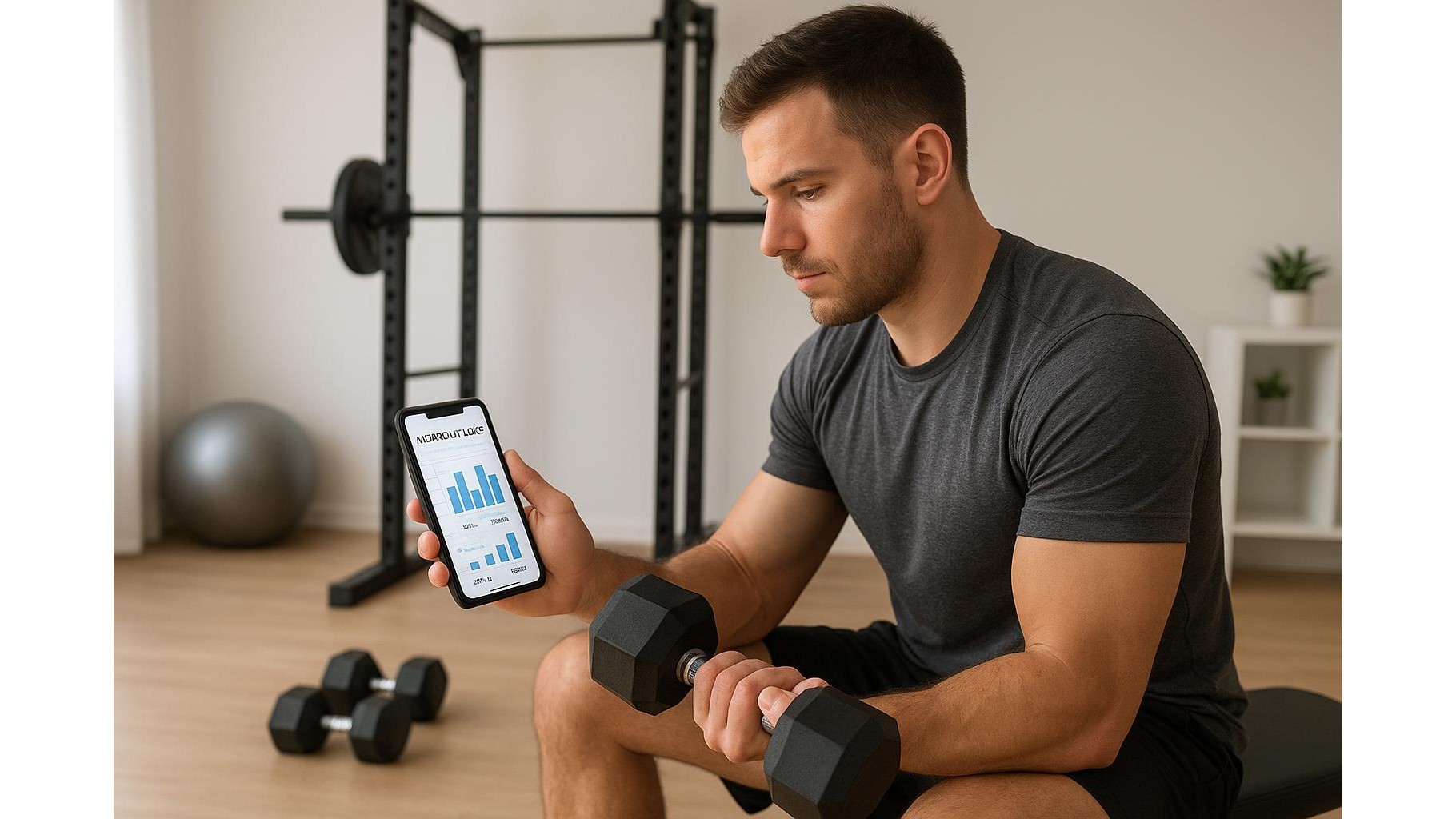
The best free workout tracker apps share a few core features. First, they make it quick to log sets and reps without tapping through endless menus; ideally, you can copy the previous workout and adjust only the weight. Second, they store your exercise history and show simple graphs for weight lifted or volume per muscle group. Third, look for flexible exercise libraries that let you add custom moves for your specific home gym setup, from adjustable dumbbells to resistance bands or a pull-up bar. Finally, offline access is a bonus if your garage or basement gym has poor signal, and cloud backup ensures you never lose your training data when you change phone.
Pros and cons of minimalist logging interfaces
Some free apps focus on a very clean, minimalist interface for strength training logs. The advantage is speed: you can add an exercise, swipe to add sets and adjust reps and load in seconds, which is perfect between sets when your heart rate is still high. Minimal apps often work well for lifters who already know their programming and just need a digital notebook. However, the downside is that they may lack guided plans, technique tips or integrated timers. If you are a beginner training at home and want more structure, a too-simple interface can feel bare and may not nudge you to progress or maintain consistency.
Apps with rich analytics and home gym programming
Other free workout log apps lean toward analytics and built-in programs. They can generate charts of total volume, estimated one-rep max and weekly training frequency, helping you fine-tune your home routines. For people who like data, this is a huge motivator: seeing your squat, hinge or press volume climb over time is incredibly rewarding. Some apps also include template programs for full-body, upper/lower or PPL splits that you can run entirely in a home gym with basic equipment. The trade-off is that the interface can be busier, with more screens and options that may slow logging if you prefer a quick, frictionless experience.
How to match the right app to your training habits
Before choosing your free workout logging app, think about how you actually train at home. If you lift in short windows between commitments, prioritise an app with fast entry and simple templates you can repeat. If you enjoy analysing performance, look for progress graphs, volume summaries and PR tracking. Lifters who do hybrid routines, mixing strength, HIIT and cardio, should choose an app that logs both weights and time-based intervals. Also consider how you hold your phone: portrait-friendly layouts work better when the device sits on a squat rack or bench. Ultimately, the best app is the one you open every session, because consistency is what drives results.
Making workout logging a sustainable habit
Once you pick an app, turn logging into a non‑negotiable part of your home workout routine. Start each session by loading your last workout, then adjust loads based on how you feel that day. Add brief notes on sleep, stress or equipment changes to understand why some days are stronger than others. Over time, your app becomes a detailed training diary that documents months of effort in your home gym. When motivation dips, reviewing your history of workouts and personal records is a powerful reminder that every set counts. With the right free workout logging app and a bit of discipline, your home gym can deliver long-term, trackable progress.