Setting up a home gym often starts with choosing the right exercise bike. Two of the most popular options for compact spaces are the foldable exercise bike and the upright exercise bike. While they may look similar at first glance, they deliver a very different experience in terms of posture, comfort, training intensity and how easily they fit into your daily routine. This guide compares these two styles so you can match your next bike to your body, your schedule and your fitness goals.
Comfort and riding posture at home
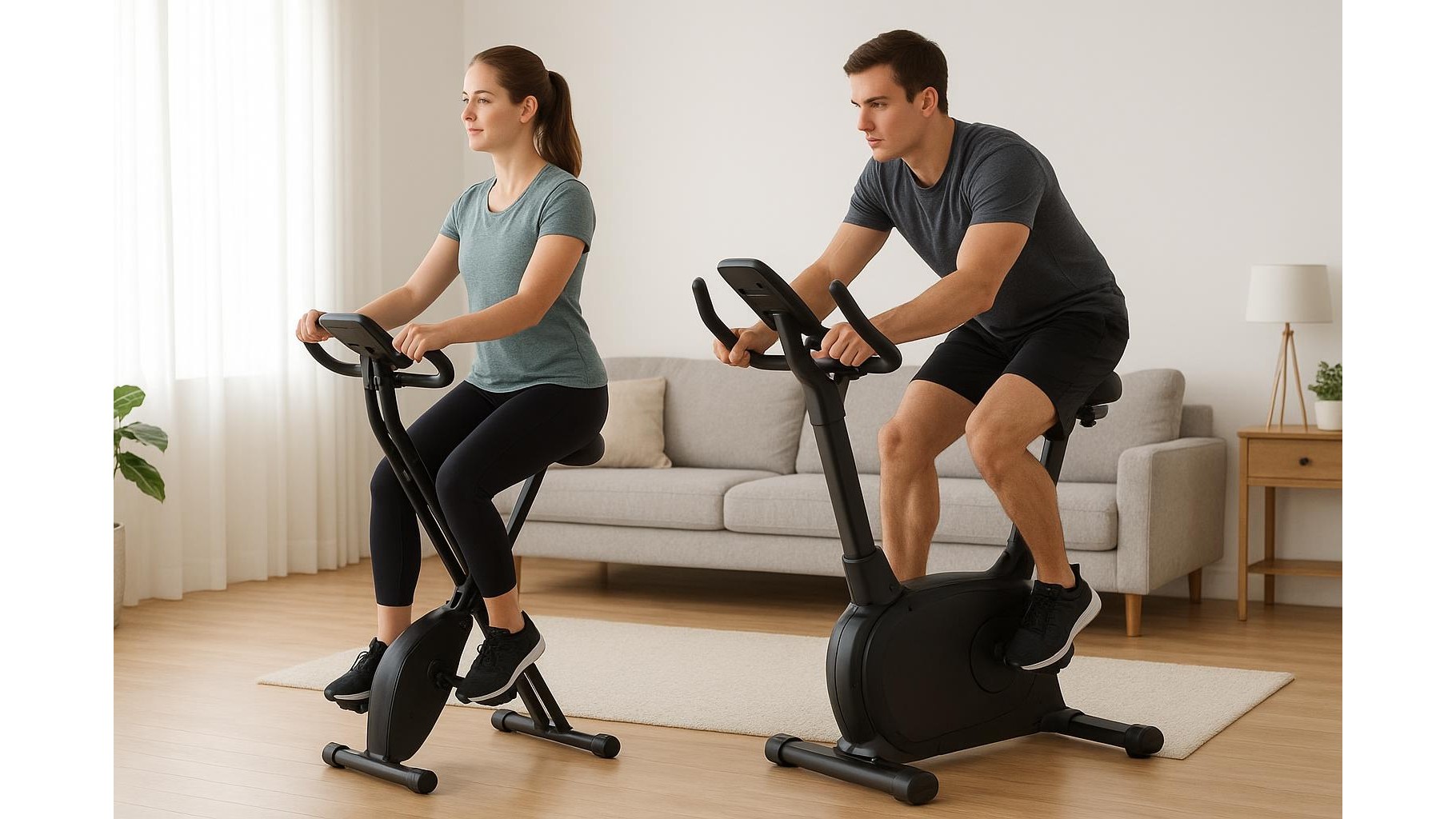
One of the biggest differences between foldable and upright exercise bikes is how they position your body. Foldable models typically use a slightly more relaxed, chair‑like stance with a higher handlebar, encouraging a more upright posture that reduces strain on the lower back and neck. This makes them ideal for beginners, casual riders or anyone returning to exercise after a break. Upright bikes, on the other hand, mimic the geometry of a traditional road bike. You lean more forward, engaging core and hip stabilisers, which can feel less comfortable for long sessions if you are not used to cycling, but offers a more sporty riding position that better prepares you for outdoor rides.
Space, storage and noise in small apartments
If you train in a flat or shared space, footprint and noise matter as much as workout quality. Foldable exercise bikes are designed to collapse vertically so they can slide behind a door, into a wardrobe or beside a wardrobe when not in use, often weighing less and using transport wheels for quick movement. This makes them perfect for multipurpose rooms where your living room is also your gym. Upright bikes usually have a larger, fixed frame, offering better stability during intense efforts but requiring a dedicated corner. Both styles commonly use magnetic resistance, which is very quiet, but uprights may include heavier flywheels that create a smoother, slightly more solid feel underfoot during early‑morning or late‑night rides.
Training goals: casual cardio vs performance
Your fitness goals should strongly influence your choice. Foldable bikes are generally optimised for light to moderate cardio, calorie burning and staying active while watching TV or working from home. They often offer simple resistance levels and basic LCD consoles that show time, distance, speed and estimated calories, giving you just enough data to stay accountable. Upright bikes, by contrast, better suit those who want structured training, such as interval workouts, hill simulations or preparation for outdoor cycling. They tend to support higher resistance levels and more precise cadence control, allowing you to work in targeted heart‑rate zones and progressively overload your muscles and cardiovascular system.
Ergonomics, adjustability and joint health
Whether you pick a foldable or upright bike, ergonomics determine how your joints feel after each session. Many foldable models use a wide, padded saddle and a step‑through frame that makes mounting easier for users with limited hip or knee mobility. However, they may offer fewer fine‑tuning options, such as limited handlebar adjustment, which can be a drawback if multiple people of different heights share the same bike. Upright bikes usually provide more precise seat height and sometimes fore‑aft adjustments, helping you maintain a safe knee angle and avoid overreaching. For users prone to knee or back pain, being able to dial in saddle position and handlebar reach can be a decisive factor in long‑term comfort.
Motivation, features and long‑term use
To keep using your bike beyond the first month, you need both motivation and practical features that fit your lifestyle. Foldable bikes often double as a convenient “movement reminder”: you can unfold them in seconds for a quick 15‑minute spin, then tuck them away, which encourages frequent but short sessions. They sometimes include resistance bands or backrests to add light upper‑body involvement. Upright bikes more often integrate advanced training consoles, tablet holders and compatibility with fitness apps, giving you access to virtual classes, performance tracking and progressive workout plans. If you are motivated by numbers, structured programs or virtual rides, an upright design is more likely to support your long‑term training journey.
In summary, foldable exercise bikes shine for compact homes, beginners and anyone seeking low‑impact, low‑fuss cardio that slots into a busy schedule, while upright exercise bikes offer greater stability, finer adjustability and better support for performance‑oriented training. Think about your posture comfort, available floor space, desired workout intensity and how you actually like to train day to day. Matching the bike style to your real habits will make it far more likely that your new piece of home cardio equipment becomes a sustainable part of your routine rather than an expensive clothes rack.