Building a home gym often means working with limited space, so choosing a compact trap bar for safe deadlifts and carries is a smart move. A trap (or hex) bar lets you keep the load closer to your centre of mass, reducing lower-back strain and making heavy pulls more beginner-friendly. But not all trap bars are equal: dimensions, handle design, load capacity and how they treat your floor all matter when you train at home.
Why a compact trap bar is ideal for home deadlifts
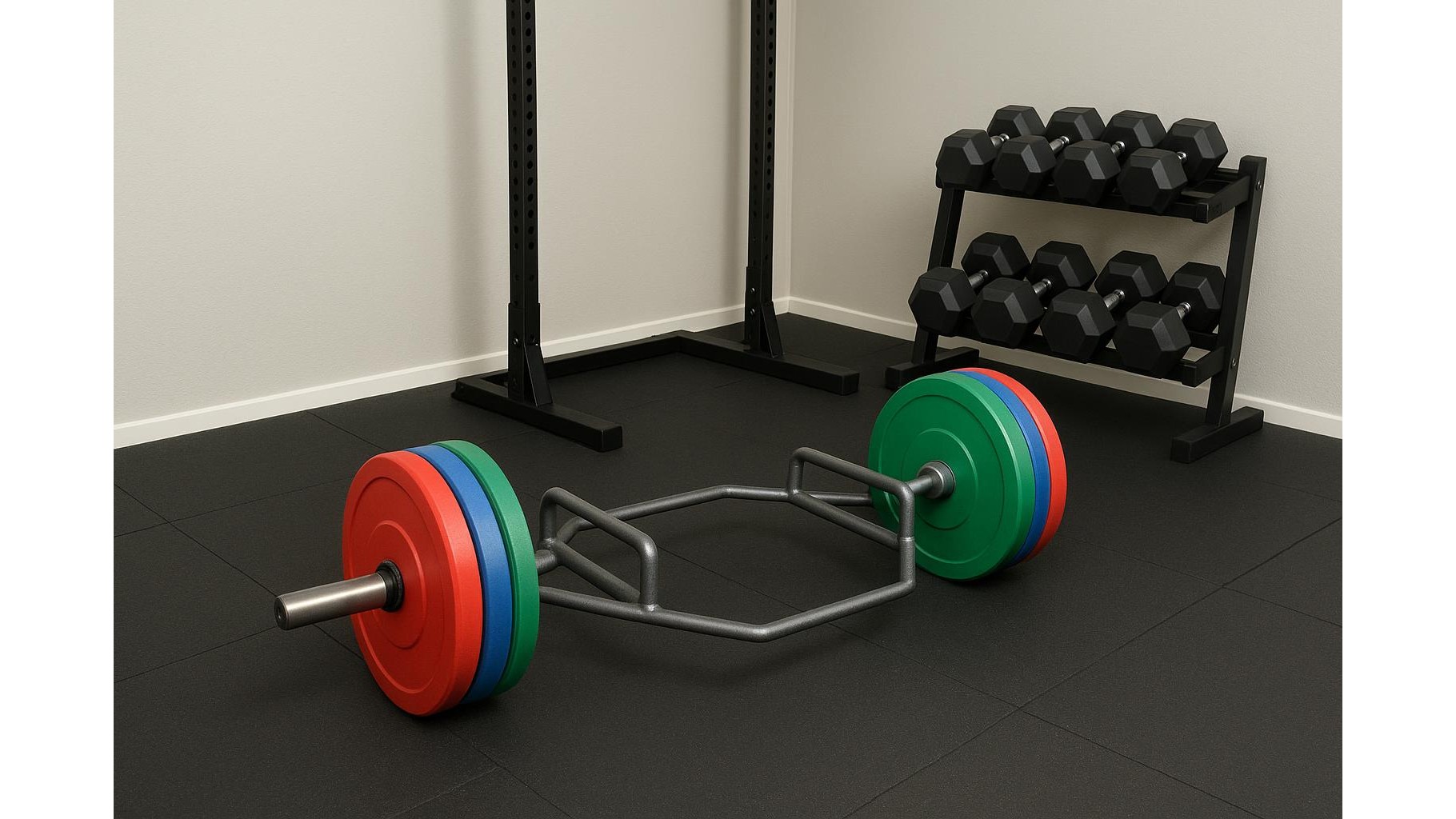
A compact hex bar is shorter and often narrower than a commercial gym bar, which makes it easier to store in a spare room or garage. The geometry encourages a more upright torso, helping protect the lower back compared with conventional deadlifts. Many compact trap bars also offer dual handles (high and low), so you can adjust the range of motion to your mobility and training goals. For beginners or lifters returning from injury, this makes it simpler to groove good technique while still lifting heavy enough to build strength.
Key dimensions: length, width and sleeve space
When buying a trap bar for a home gym, pay close attention to overall length, handle width and sleeve length. A compact bar typically keeps the overall length under about 150 cm, which helps it fit on short walls and in tight storage corners. Handle width (the distance between the grips) should feel natural for your frame: too wide and your shoulders will feel strained; too narrow and your knees may clash with the frame. Sleeve length dictates how much weight you can load, especially if you use bumper plates. Look for a bar with enough sleeve space to accommodate your current max plus room to grow, while still remaining compact enough to move and store easily.
Handle options: high, low and knurling
The handle design on a trap bar has a huge impact on comfort and performance. Many compact trap bars include raised handles that make it easier to get into position without excessive hip and knee flexion, which is ideal if you have limited mobility or want a slightly shorter range of motion for heavier lifts. The lower handles usually match standard barbell height for full-range deadlifts. Check the knurling (the textured grip): it should be aggressive enough to prevent slipping when hands get sweaty, but not so sharp that it tears your skin during longer sets or carries. A balanced, medium knurl is usually best for a mixed programme of deadlifts, shrugs and loaded carries.
Load capacity and construction quality
Even in a small home gym, you want a trap bar that feels rock solid under heavy loads. Look for a bar with a stated load capacity well above what you currently lift, to ensure long-term durability and safety. Strong steel construction, clean welds and a rigid frame help prevent flex and rattling plates. Compact does not have to mean flimsy: a well-made bar should comfortably handle serious strength training while still being easy to manoeuvre between sessions. Consider the finish as well; a good coating will resist rust in garages or sheds and keep the sleeves spinning smoothly when you load and unload plates.
Floor protection and noise control in a home gym
Training at home means thinking about floor protection and noise, especially if you live in a flat or share walls. A trap bar naturally distributes weight more evenly than a straight bar when you set it down, but you should still combine it with basic gym flooring or rubber mats to protect tiles, wood or concrete. The compact size makes it easier to control the bar path and avoid banging into walls or furniture. Using controlled eccentrics and avoiding drops not only keeps your neighbours happy but also extends the life of both your bar and plates. Together, a compact trap bar and decent flooring create a safer and quieter set-up for heavy deadlifts and carries at home.
Choosing the right compact trap bar for your home gym comes down to matching the bar’s dimensions, handle options, load capacity and floor-friendliness to your space and training style. A well-selected hex bar will let you deadlift, shrug and carry heavy in a secure, joint-friendly position, even in a small room. Take the time to check measurements, grip design and build quality, and you’ll end up with a versatile strength tool that supports safe, effective training for years.