When your home workouts stretch past the usual 30–40 minutes, it is tempting to reach for colourful intra-workout drinks and powders. But how much do you really need beyond plain water? This guide breaks down carbohydrates, electrolytes and amino acids for longer sessions in your home gym, and explains when they help performance and when smart pacing and hydration are more than enough.
Hydration basics: when is water enough?
For most strength workouts at home lasting under 60 minutes, cool water is all you need. Your muscles have enough stored glycogen and you are unlikely to lose dangerous amounts of electrolytes unless the room is very hot or you sweat heavily. Sip regularly rather than chugging at the end: a good rule is a few mouthfuls every 10–15 minutes. Focus instead on smart pacing, controlled rest times and breathing. If your session is stop‑and‑start—typical for weight training—you usually do not need a dedicated intra-workout drink. Save advanced supplements for truly long or intense days and invest your effort into warm‑ups, technique and recovery.
Carbohydrate drinks for long or high‑volume sessions
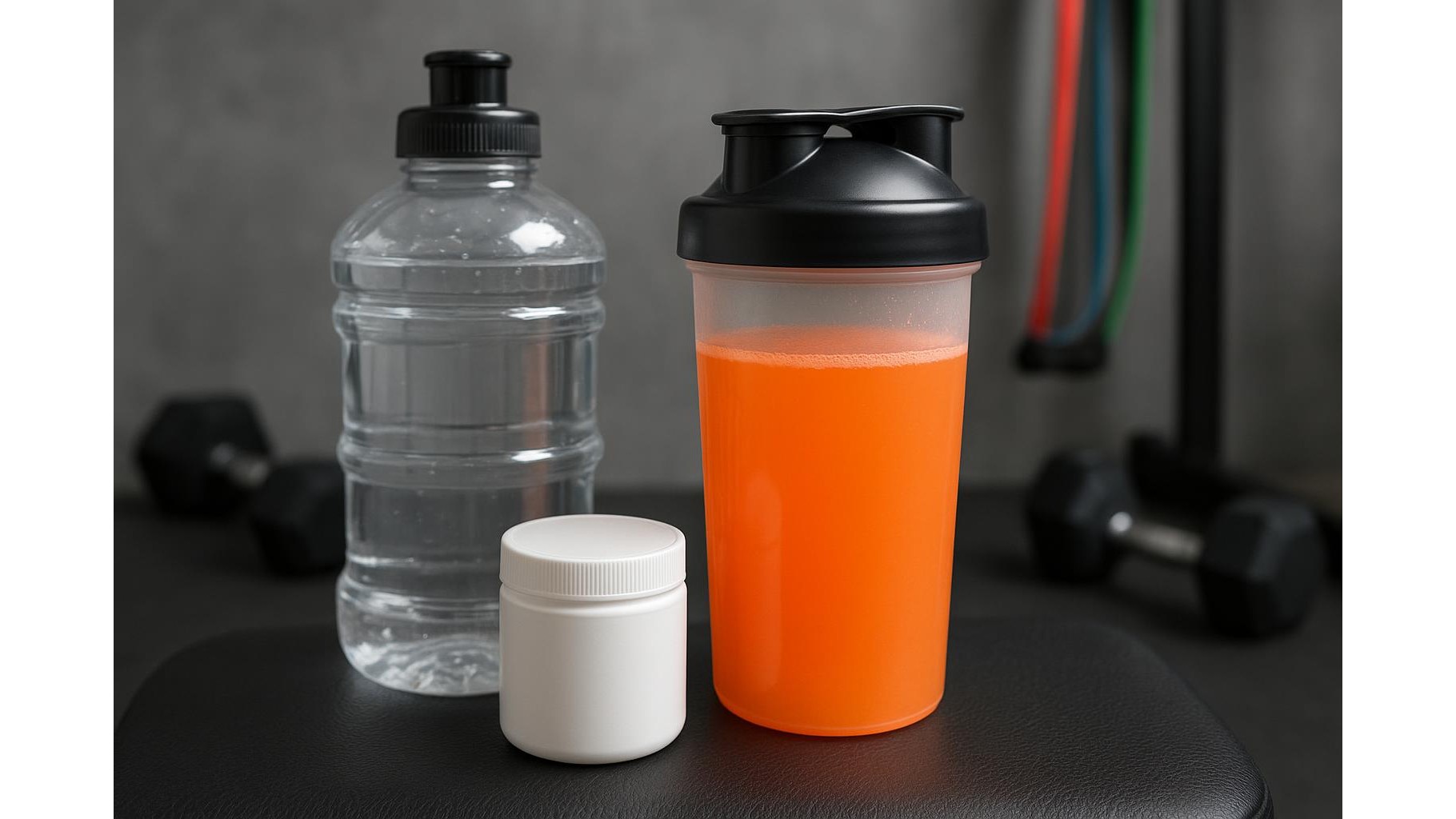
When your home workout exceeds about 75–90 minutes—especially high‑volume bodybuilding, circuit training or indoor cycling—an intra-workout carbohydrate drink can help maintain energy. Powdered mixes with maltodextrin, dextrose or highly branched cyclic dextrin are designed to be easy on the stomach and quickly absorbed. Mix a moderate dose (around 20–30 g carbs per hour) in 500–750 ml of water and sip throughout the session. This helps delay fatigue, keeps your blood sugar stable and can support better performance on later sets instead of feeling flat or light‑headed. However, if your nutrition before training is solid—such as a balanced meal 1–2 hours prior—you may still not need extra carbs unless you push particularly hard.
Electrolytes: useful in heat, sweat and fasted training
Electrolyte powders and tablets become more relevant when you train in a hot room, sweat a lot, or combine fasted training with longer workouts. Sodium, potassium and magnesium support fluid balance, muscle contractions and help reduce cramping for some people. An electrolyte drink without large amounts of sugar can be ideal if you prefer to keep calories lower but still want to stay hydrated. Use them during long kettlebell complexes, rowing or treadmill intervals when you notice heavy sweat loss. For most people, a light mix is enough; mega‑dosed formulas are rarely necessary at home. If you often finish sessions with headaches or a “washed out” feeling, trialling a low‑sugar electrolyte blend might be more effective than jumping straight to high‑carb sports drinks.
BCAAs and EAAs: do you really need amino acids mid‑workout?
BCAAs (branched‑chain amino acids) and EAAs (essential amino acids) are aggressively marketed as must‑have intra-workout supplements. In reality, if you eat enough protein across the day—especially within a few hours before your workout—a separate BCAA drink adds little for most home lifters. Where amino acid powders can make sense is during very long, demanding sessions in a calorie deficit, or when you train early in the morning with no meal. In these edge cases, a light EAA drink may help reduce muscle breakdown and perceived fatigue. Still, overall muscle growth depends far more on total daily protein intake and progressive overload than on what you sip during a single workout. Think of amino drinks as optional, not essential.
Practical intra-workout strategy for your home gym
To build a smart intra-workout strategy at home, start simple and scale up only if performance or comfort truly require it. For up to 60 minutes of lifting: use water, keep rest times consistent and monitor how you feel. For 60–90 minutes with plenty of sets and short rests, consider adding a small amount of carbs or electrolytes, especially in warm environments. Beyond 90 minutes or in intense endurance‑style sessions, combining carbohydrates and electrolytes can maintain energy and concentration. Amino acid supplements are the last layer, mainly for fasted or very long training blocks. By matching your drink to session length, intensity and room temperature, you avoid unnecessary calories, sugar and expense while still supporting your performance.
In summary, most home athletes do not need complex intra-workout supplements for everyday sessions. Prioritise solid meals, hydration and smart pacing first. Save carbohydrate drinks and electrolytes for genuinely long or sweaty workouts, and treat BCAAs or EAAs as optional tools rather than magic solutions. This approach keeps your routine simple, effective and sustainable while still giving you the option to upgrade when your training demands it.