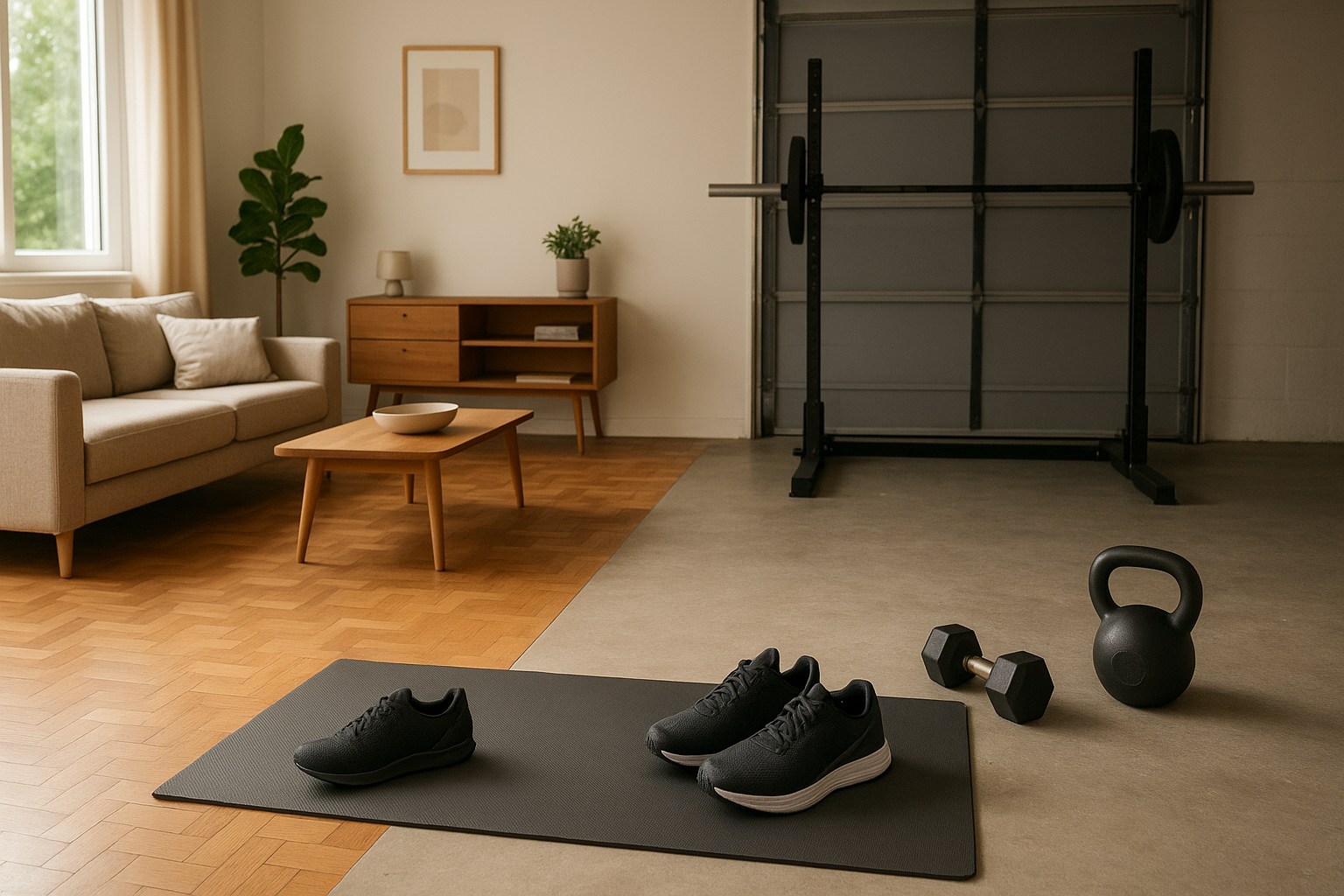
Choosing the right home workout shoes is just as important as picking the right dumbbells or resistance bands. The footwear you use on tiles, parquet and concrete can affect your performance, comfort and even your joint health. From flat shoes for lifting to cushioned trainers for HIIT, understanding what works best for each type of training surface will help you build a safe, versatile home gym in your garage or living room.
Table of contents
Know your training style at home
Before buying new home gym shoes, be clear about how you actually train. If most of your sessions are strength workouts with squats, deadlifts and presses, you need a stable, flat sole for solid contact with the floor. If you prefer HIIT, cardio circuits, dance or bodyweight conditioning, you will benefit more from cushioning and shock absorption. Many people mix modalities across the week, so consider whether one versatile pair can cover your needs or if it is smarter to keep one pair for lifting and one pair for high‑impact training. Matching footwear to your main training style is the foundation of comfort and progress.
Best shoes for garage concrete floors
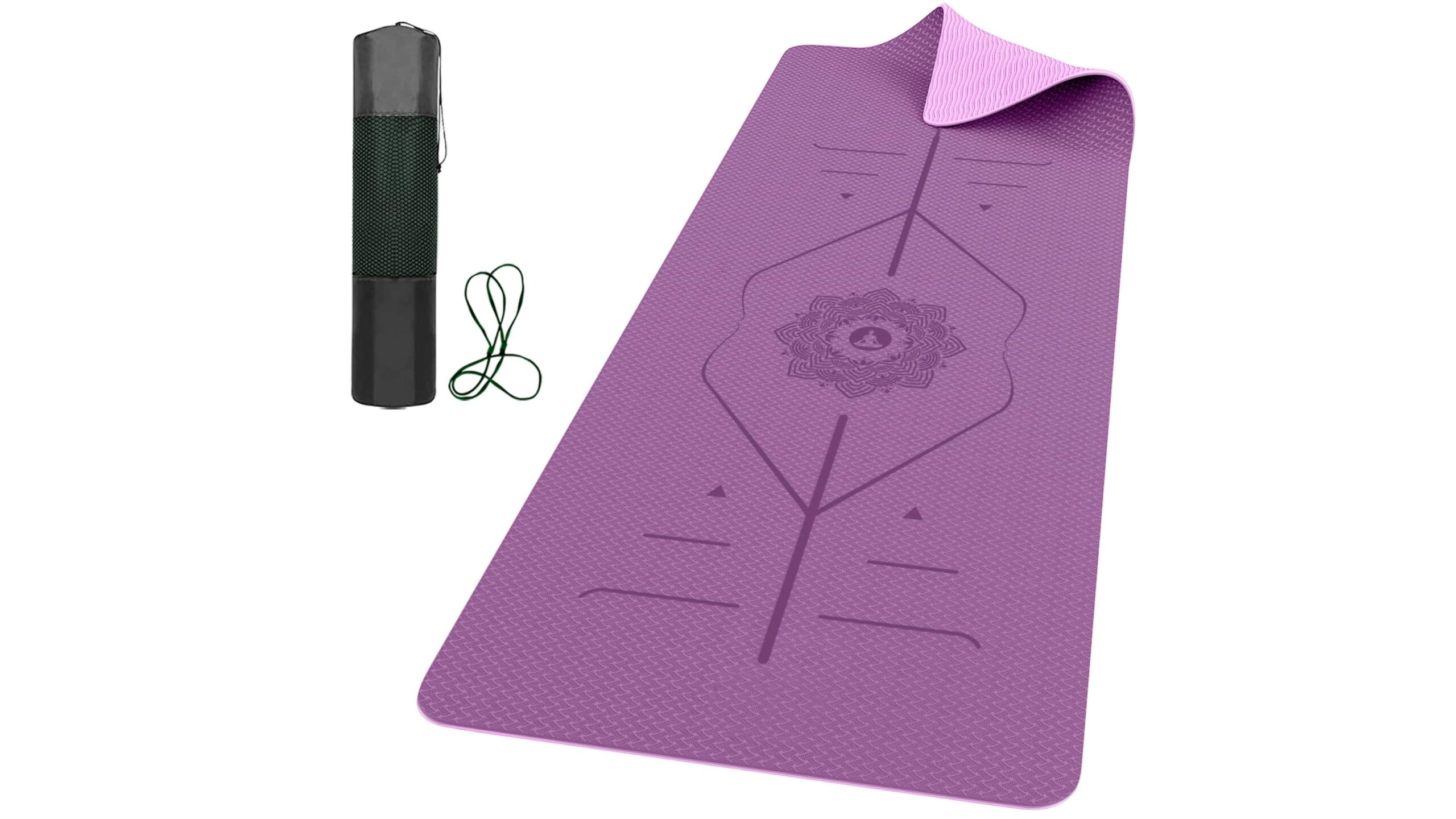
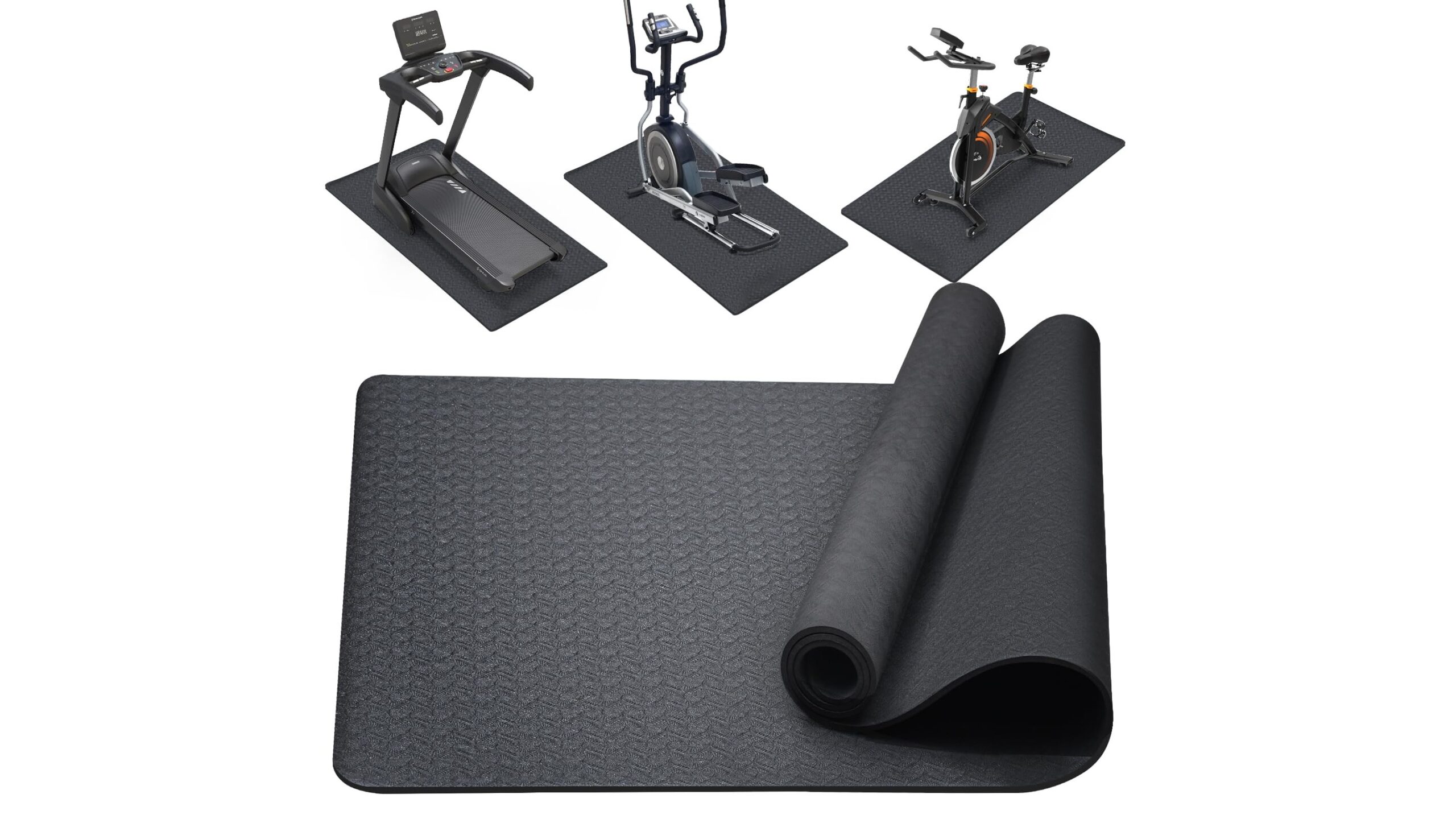
Training in a garage usually means a hard concrete floor, which can be unforgiving for both your joints and your shoes. For heavy lifting, look for shoes with a firm, non‑compressible sole and good grip, ideally used on top of a rubber mat. For HIIT or jumping on concrete, choose footwear with ample midsole cushioning to reduce impact on your knees, hips and lower back. If your garage is cold and slightly damp, a shoe with a durable upper and good traction will also help prevent slipping. Whatever you choose, combining supportive shoes with at least a thin training surface such as puzzle mats or a folding gym mat can dramatically improve comfort and safety.
How to train safely on tiles and parquet
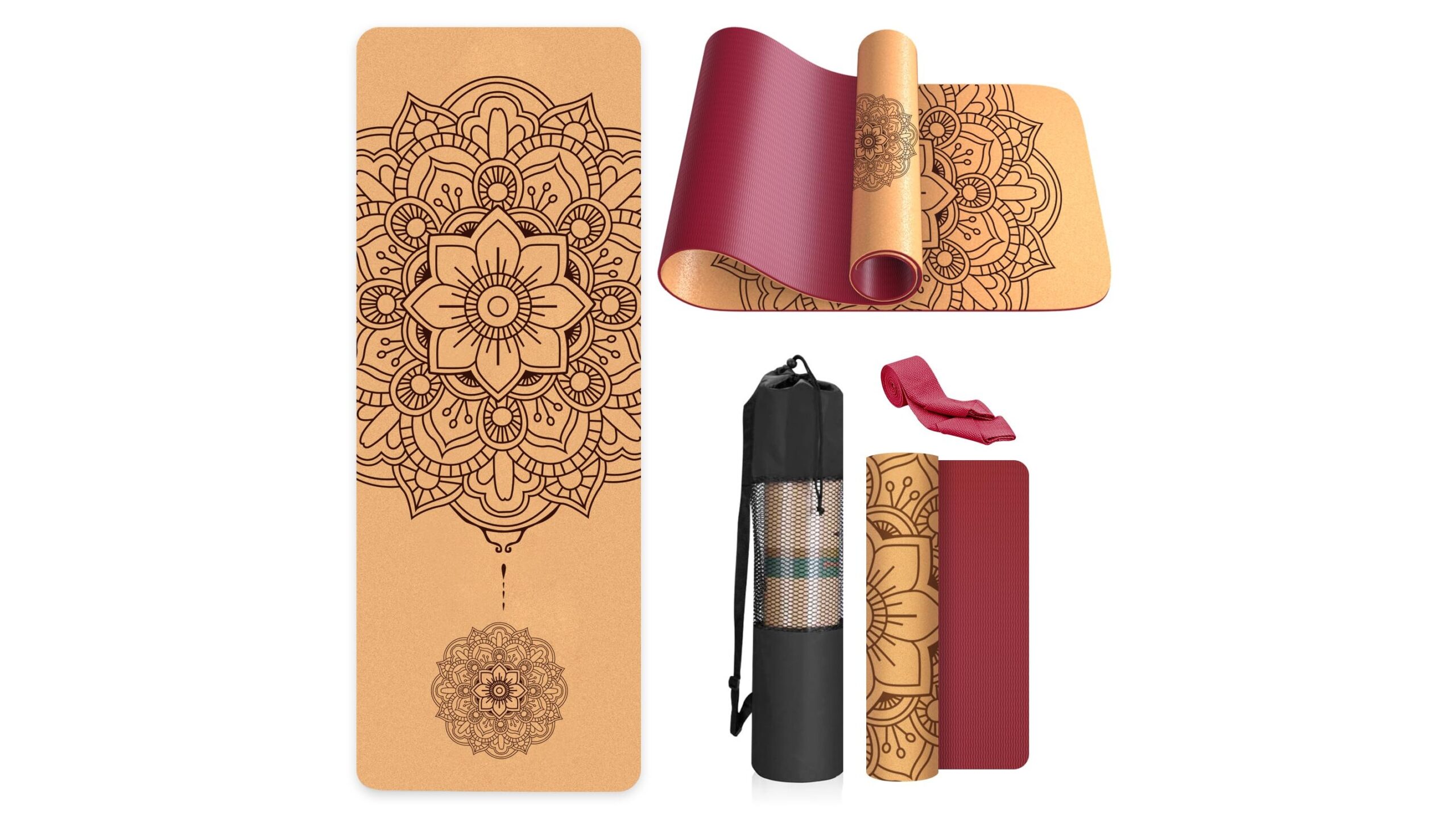
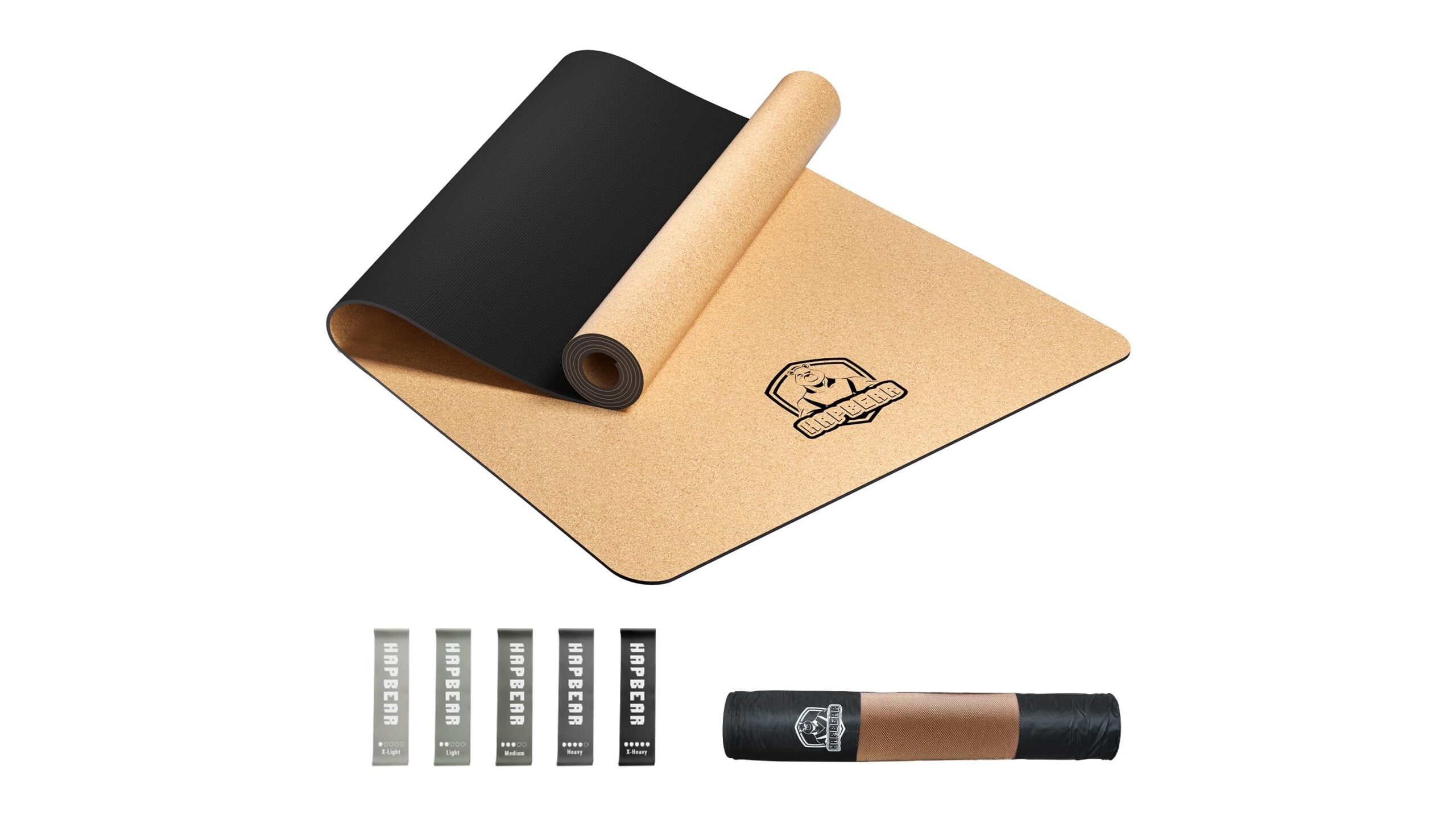
Living rooms often have tiles or parquet, which are smoother and sometimes more slippery than concrete. On tiled floors, prioritise outsoles with strong grip patterns and avoid very hard, shiny soles that can slide when you lunge or jump. On parquet, choose shoes with non‑marking rubber to protect the wood, and avoid training socks or bare feet if you are doing anything more dynamic than yoga. A cushioned training shoe helps absorb impact, but you also want enough lateral support for side‑to‑side movements so your ankle does not roll when you change direction. Adding a yoga mat or a compact exercise mat under your feet during jumps and burpees is an easy upgrade for both comfort and floor protection.
Flat shoes vs cushioned trainers for home workouts
For lifting at home, flat, stable footwear helps you generate more force and maintain better alignment. A thin, firm sole keeps you closer to the ground, improving balance on squats, deadlifts and overhead presses. In contrast, cushioned trainers are ideal when your session includes jumping jacks, burpees, shuttle runs, shadow boxing or dance cardio. Here, extra foam in the midsole acts as a shock absorber, reducing the stress that repetitive landings place on your joints. If you enjoy both styles, you can either invest in two specialised pairs or pick a cross‑training shoe that offers a compromise: relatively flat and stable in the heel, but with enough forefoot cushioning for short bursts of HIIT.
Fit, support and practical buying tips
Whatever style you choose, prioritise a secure fit. Your heel should not slip, your midfoot should feel hugged but not squeezed, and you should have a thumb’s width of space at the toes to avoid bruising during stops and landings. Look for breathable uppers if you train in a warm living room, and slightly more durable materials if you are dragging weights around a garage. Consider your arch type: if you have flat feet or a history of knee pain, models that accept orthotic insoles can be helpful. Finally, since home workouts often mean quick transitions between exercise and everyday life, many people prefer neutral, versatile designs they can wear for errands as well, maximising value from a single pair.
In summary, the best home workout shoes depend on how and where you train: flat and stable for strength work, cushioned and supportive for HIIT and cardio, with appropriate grip for tiles, parquet and concrete. Taking the time to match your footwear to your training style and flooring will improve comfort, performance and long‑term joint health, making every session in your garage or living room more effective and enjoyable.