
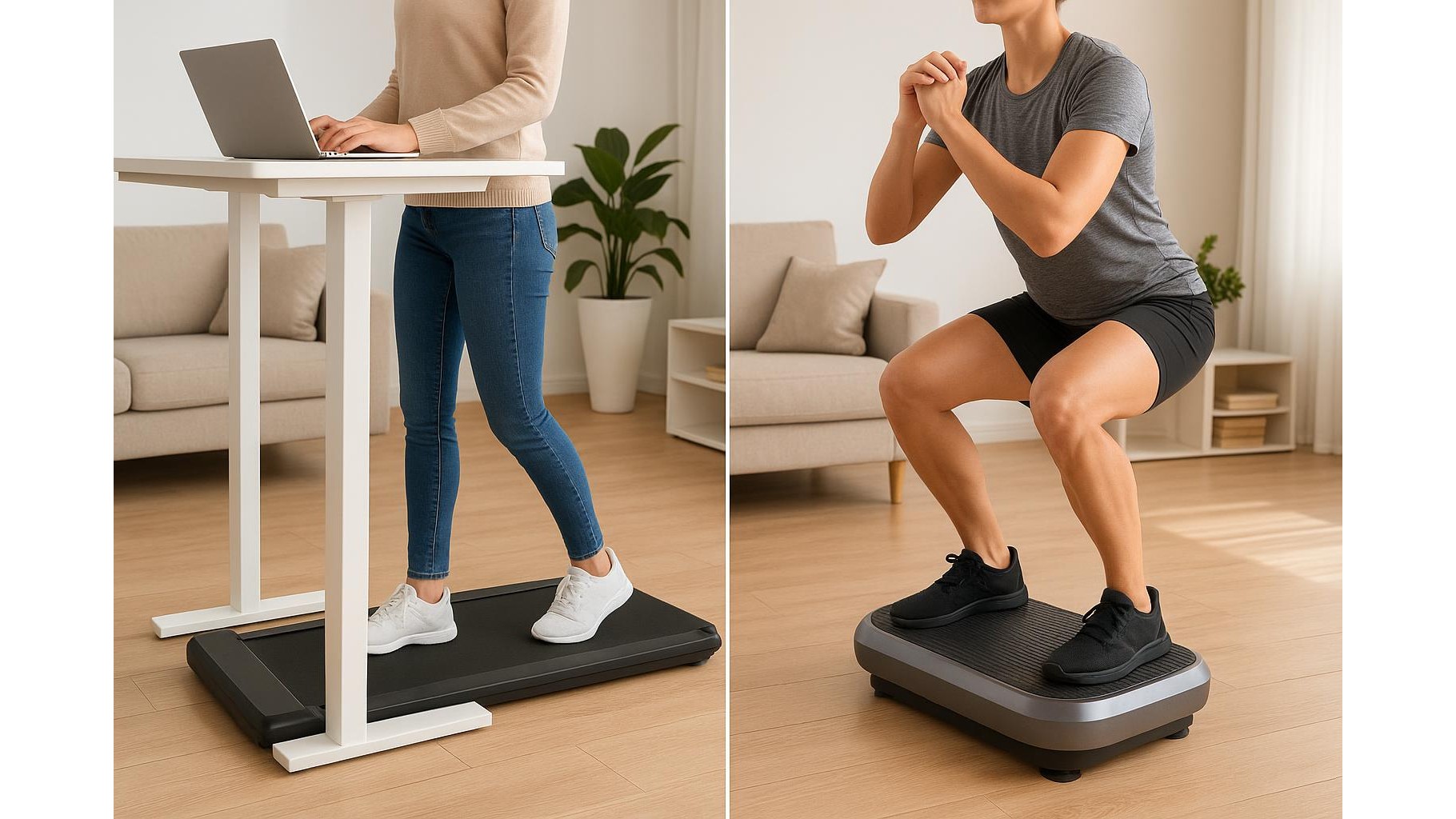
If you want a compact way to stay active at home, you have probably looked at a simple walking pad and at newer vibration walking pads. Both are space‑saving cardio tools, but they work very differently. Understanding how they impact joints, muscles, noise, and overall usability will help you choose the right solution for your daily home routine and fitness goals.
What is a classic walking pad?
A classic flat walking pad is essentially a low‑profile treadmill without handrails. You get a motorised belt that lets you walk indoors at adjustable speeds, often from very slow, desk‑friendly paces up to a light power walk. The focus is on steady‑state cardio and accumulating steps, not on intense running. These devices are typically foldable or slim enough to slide under a sofa or bed, making them ideal for small apartments and home offices. Because they mimic natural walking, they feel intuitive and are generally safe for beginners, office workers, and anyone returning to movement after a sedentary period.
What is a vibration walking pad?
A vibration walking pad combines a compact walking surface with whole‑body vibration technology. Instead of just a moving belt, the platform vibrates at specific frequencies, aiming to stimulate muscle activation and circulation while you stand or perform light movements. On some models you walk slowly on the pad; on others you mainly stand, squat, or do balance work. This type of tool can make low‑impact exercise feel more intense, even at short durations, and is often marketed for toning, lymphatic drainage, and joint‑friendly training. The sensation is very different from regular walking, which may be a plus for variety but can also feel unusual for first‑time users.
Benefits of classic walking pads for home cardio
The main strength of a traditional walking pad is its ability to support consistent daily cardio. You can use it under a standing desk for light movement while working, or in front of the TV to reach your step goal. Because the movement pattern is natural, it is easy to control effort through speed settings and session length. For fat loss and heart health, this kind of low‑intensity steady‑state activity is highly effective and sustainable. Noise levels are usually low, especially when you walk rather than jog, which suits shared flats and late‑evening sessions. Maintenance is mostly limited to keeping the belt clean and occasionally lubricated, so long‑term use is straightforward for most users.
Benefits of vibration walking pads and who they suit
A vibration walking pad shines when you want more than simple steps in a tiny footprint. The vibrating platform can increase the perceived intensity of bodyweight exercises like squats, calf raises, or balance drills, giving a strong muscle and core stimulus in short sessions. Many users appreciate the feeling of improved circulation and a light massage effect, especially in the lower legs after long hours of sitting. For those with limited time, combining light movement with vibration may help maintain muscle tone and joint mobility with minimal equipment. These pads are typically very compact, easy to move between rooms, and quick to set up, making them suitable for busy lifestyles or multi‑purpose living spaces.
Limits, risks and practical considerations
Both tools have clear limits. A classic walking pad is not made for high‑speed running or intense sprints, and the lack of handrails can be an issue for users with balance problems. Long sessions also require attention to posture, especially if used under a desk. A vibration walking pad can be too intense for people with certain medical conditions (for example, some heart issues, joint replacements, or pregnancy), so checking professional advice is wise. Vibration does not replace traditional cardio training; it adds a neuromuscular and circulation‑focused stimulus rather than sustained heart‑rate elevation. In both cases, you still need a balanced routine that includes strength work, mobility, and recovery to get complete fitness benefits.
How to choose between walking pad and vibration walking pad
If your main goal is to increase daily steps, support weight management, and build a sustainable home cardio habit, a classic walking pad is usually the better choice. It is simple, predictable, and integrates well with work‑from‑home life. If you are more interested in short, intense, muscle‑stimulating sessions, improved circulation, and variety on top of existing cardio, then a vibration walking pad can be a powerful complement. Some users may even choose to combine both options: walking pad for everyday movement and vibration platform for targeted toning and recovery. Whatever you select, start with short sessions, pay attention to alignment and comfort, and let consistency—not intensity—be the key driver of your results.
In summary, a walking pad is the best compact tool for daily, low‑impact cardio and step tracking, while a vibration walking pad offers a more specialised stimulus for muscles and circulation in very short sessions. Think about your space, noise constraints, health status, and what kind of movement you are realistically willing to repeat most days. Match the device to your habits first, then to your ambitions, and you will get far more value from whichever compact home cardio solution you bring into your living room.









