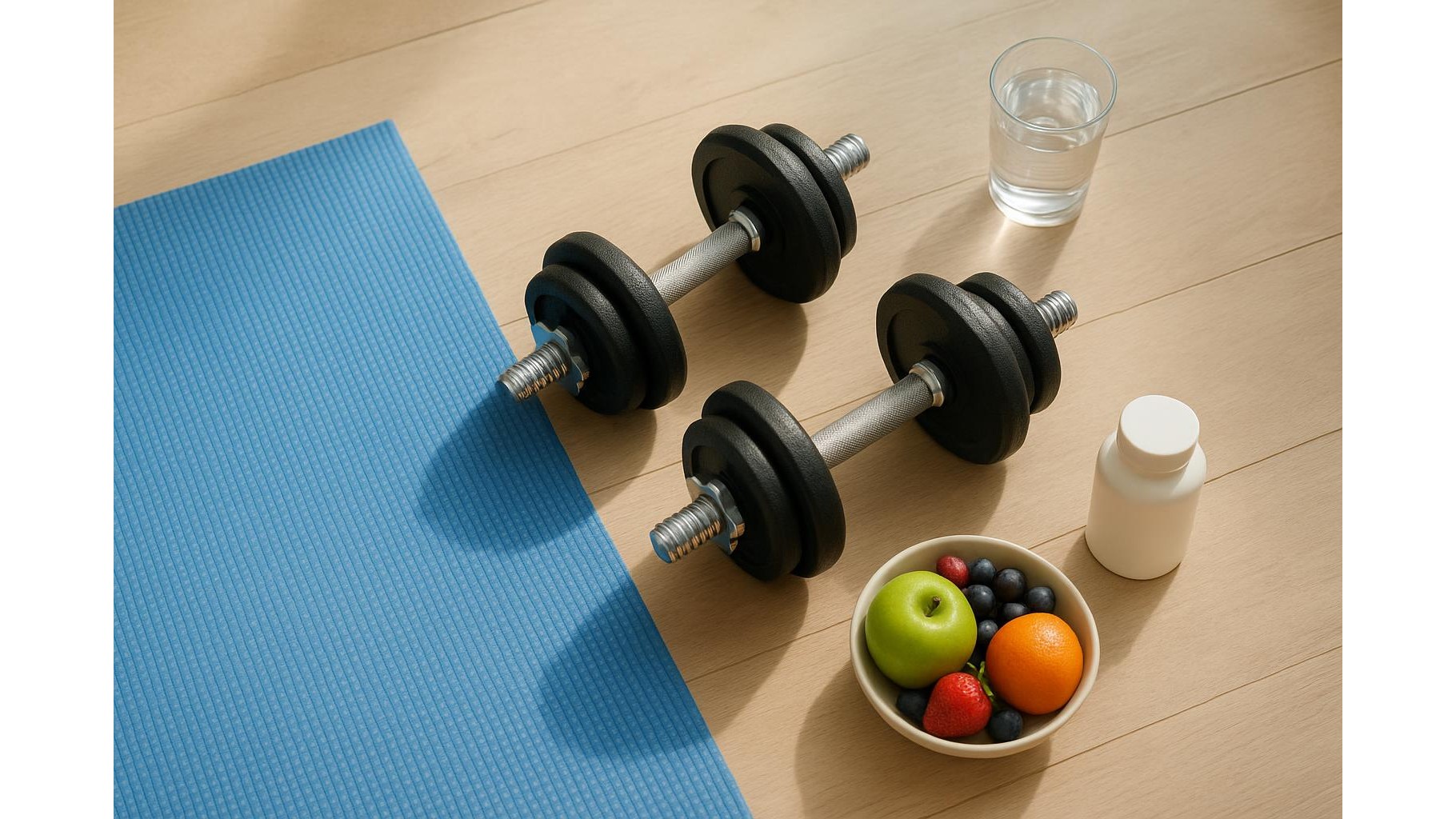
Training consistently in a home gym demands energy, recovery and a solid immune system. It is tempting to reach for a bottle of basic multivitamins and assume it will cover every nutritional gap. In reality, multivitamins can be helpful in some cases, but they are not a magic shield and can even be unnecessary or counterproductive if used without criteria. This article offers a clear, science‑informed overview so that home athletes can decide whether a daily multivitamin fits their routine, and how to use supplements without replacing real food.
What a basic multivitamin can (and cannot) do
A standard multivitamin for adults usually combines vitamins A, C, D, E, K and several B vitamins, sometimes with minerals like zinc, magnesium and selenium. These products are designed to help you reach the recommended daily intake when diet is imperfect, not to boost performance beyond normal physiological levels. For home athletes, that might mean reducing the risk of small but persistent micronutrient deficiencies that could affect immunity, energy metabolism and bone health. However, a multivitamin cannot compensate for a chronically low‑protein diet, lack of carbohydrates around workouts, poor sleep or high stress. It is a safety net, not the foundation of performance nutrition.
Who may actually benefit from a multivitamin
Some groups of home athletes are more likely to benefit from a basic multivitamin. Those who follow restrictive diets (very low calorie, low‑carb, vegan without proper planning) may miss important nutrients such as B12, iron or zinc. Busy professionals who train early in the morning or late at night and often rely on convenience food may also struggle to reach adequate intakes of fruit, vegetables and whole grains. In these cases, a simple multivitamin can help cover gaps while you work on improving overall diet quality. Older adults training at home, especially over 50, may have higher needs for nutrients like vitamin D and B12 due to reduced absorption, making a supplement more useful in combination with blood tests and professional guidance.
When multivitamins are unnecessary or even counterproductive
If you already eat a varied diet rich in whole foods—plenty of colourful vegetables, fruits, whole grains, legumes, nuts, seeds, fish, eggs and dairy—a daily multivitamin is often unnecessary. In such cases, most vitamins and minerals are already at or above recommended levels. Adding high‑dose supplements on top may lead to excessive intakes of certain nutrients such as vitamin A, iron or fat‑soluble vitamins, which the body cannot easily excrete. For generally healthy home athletes, this does not translate into more strength, muscle or endurance. Instead of stacking pills, it is usually better to invest in improving meal timing, hydration and sleep, which have a much larger impact on training outcomes.
How to integrate supplements without replacing real food
The best way to use a basic multivitamin is as a small addition to an already thought‑out nutrition plan. Start by analysing your current diet over a week: count portions of vegetables and fruit, check protein sources and note ultra‑processed snacks. Then discuss any concerns with a qualified professional who can order blood tests if needed. If a multivitamin is recommended, choose a product that stays close to 100% of the daily recommended values rather than megadoses. Take it with a main meal to improve absorption and reduce stomach discomfort. Remember that the core of performance remains consistent intake of quality foods that provide not only vitamins and minerals but also fibre, phytonutrients, healthy fats and adequate calories.
Practical checklist for home athletes
Before deciding whether you need a basic multivitamin, run through a simple checklist. Do you eat at least five portions of fruit and vegetables per day? Do you include a source of complete protein at each main meal? Are you regularly consuming oily fish, dairy or fortified foods for calcium and vitamin D? Are there entire food groups you avoid? Are you frequently tired, sick or struggling with recovery despite adequate training programming and sleep? If several answers raise concerns, a multivitamin may be temporarily useful while you address the underlying habits. If your answers are generally positive, focusing on consistency, progressive overload and smart meal planning will almost always deliver more benefits than adding another supplement.
In summary, a basic multivitamin can be a reasonable tool for some home athletes, especially those with dietary restrictions or limited access to fresh foods, but it is rarely essential. The real foundation of performance and health remains a balanced diet built around minimally processed foods, aligned with your training volume and goals. Use supplements carefully, based on evidence and personal context, and remember that no capsule can replace the long‑term benefits of learning to fuel your home workouts with real, nutrient‑dense meals.