Spending long hours at your desk and pushing hard in your home workouts can leave your lower back feeling tight, achy, and stiff. The good news is that you don’t need fancy tools or a full rehab routine to feel better. With a few minutes a day of smart mobility, breathing, and core activation, you can ease low back tightness at home and help prevent it from coming back—even if you’re stuck working from a chair most of the day.
Why your lower back feels tight
Most cases of low back tightness in active people are a mix of too much time sitting and not enough movement variability. Hours at a desk shorten the hip flexors and weaken the glutes and deep core muscles, so your lower back ends up doing extra work during workouts and daily tasks. Instead of thinking of your back as “broken”, see it as overloaded. Gentle, frequent movement is usually more effective than one long stretching session. The aim of at-home recovery is to restore hip mobility, re-train breathing, and wake up the core so your back doesn’t have to carry the entire load.
Reset your breathing to calm tension
Breathing is one of the simplest zero‑equipment tools to reduce lower back guarding. Lie on your back with knees bent and feet flat, place one hand on your chest and one on your belly. Inhale slowly through your nose for 4 seconds, letting your belly rise into your hand without arching your lower back. Exhale gently through pursed lips for 6–8 seconds, allowing your ribs to sink down and your low back to feel heavier on the floor. Aim for 10–15 breaths. This diaphragmatic breathing pattern decreases tone in overworked back muscles and improves core stability by engaging the deep abdominal wall instead of letting the lower back take over.
Gentle mobility drills for hips and spine
Once your breathing is under control, add a few low‑intensity mobility drills. Start with cat‑camel: on hands and knees, slowly round your spine up toward the ceiling, then gently arch, moving one vertebra at a time for 8–10 cycles. Follow with 90/90 hip rotations on the floor to loosen tight hips—rotate your knees side to side, keeping your chest tall. Finish with a simple knees‑to‑chest rock: lying on your back, hug both knees and rock slowly side to side. None of these should be painful; you’re aiming for smooth, easy movement and a sense of space through your lower back and hips, not aggressive stretching.
Core activation that supports your spine
To keep tightness from returning, you need a more responsive core. From the same position as your breathing drill (on your back, knees bent), perform dead bug variations: gently brace your midsection as if preparing for a light punch, then slowly lower one heel toward the floor and return, keeping your lower back stable. Do 6–8 reps per side. Next, try a side plank from knees, focusing on a straight line from shoulders to knees and a light engagement of your glutes. Hold 15–20 seconds per side. These low‑load exercises teach your trunk to share the work between abs, obliques, and back muscles, so your lumbar spine isn’t the only structure resisting every movement and load.
Daily habits to protect your lower back
Beyond drills, small daily habits matter. Break up sitting time with a 2‑minute walk or mobility snack every 45–60 minutes. Adjust your home workstation so the screen is at eye level and your hips are slightly higher than your knees. When lifting weights in your home gym, prioritise hinge patterns (like hip‑dominant deadlifts) with a neutral spine instead of rounding forward under load. If you notice recurring tightness, temporarily reduce the volume of heavy barbell work and replace it with single‑leg exercises and tempo work, which stress the tissues less while keeping your training progress on track.
Optional support: lumbar pillow for sitting and driving
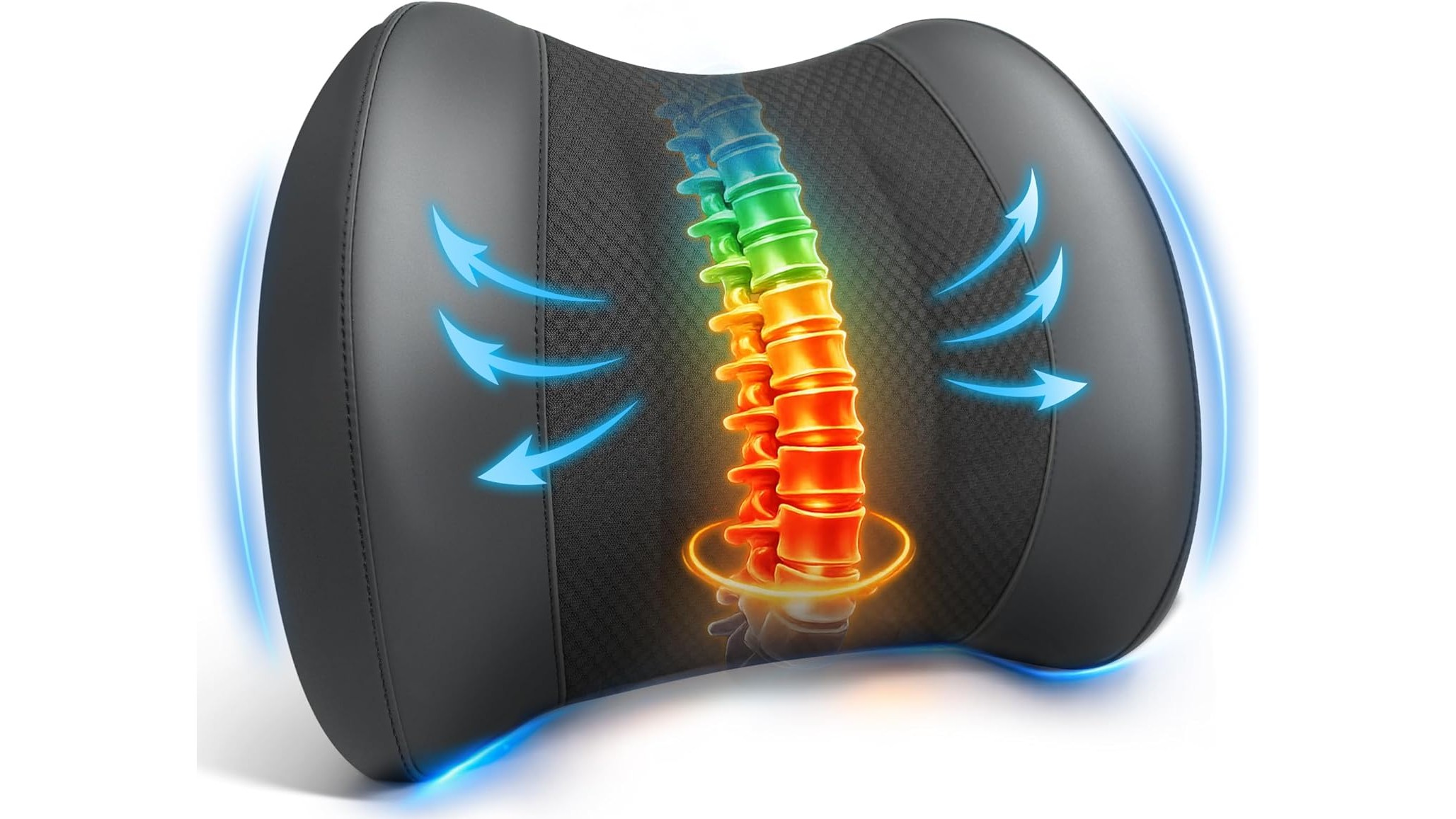
While you can make big progress with zero equipment, some people benefit from extra support during long sitting periods. A practical option is a dedicated lumbar support pillow such as the Lumbar Support Pillow: Memory Foam Lumbar Pillow for Lower Back Pain Relief – Car Back Cushion for Driving – Lumbar Support for Car-Office Chair, Wheelchair – Black. This high‑density memory foam cushion is designed to fill the gap between your lower back and the chair, promoting a healthier posture and reducing strain during long drives or desk sessions. The adjustable strap helps keep it in place on most office and car seats, and the breathable cover improves comfort over hours of use. It’s not a cure by itself, but combined with the drills above, it can reduce day‑to‑day stress on your lumbar spine so recovery work has a better chance to stick.
At‑home recovery for lower back tightness doesn’t have to be complex or time‑consuming. By combining calm, controlled breathing, gentle hip and spine mobility, and smart core activation with better daily habits—and optionally adding a supportive tool like a lumbar support pillow for long sitting—you can ease current discomfort and build a more resilient back. Commit to a short routine most days of the week, listen to your body’s feedback, and your low back will gradually feel freer, stronger, and more ready for both home workouts and everyday life.