When you train hard in your home gym, staying hydrated is about more than just water. Electrolyte supplements help replace sodium, potassium and other minerals you lose through sweat, supporting performance and recovery. The main dilemma for many home athletes is choosing between electrolyte tablets vs powders. Both can work well, but the best option depends on your routine, taste, and how precisely you want to manage your intake.
Tablets vs powders: what’s the real difference?
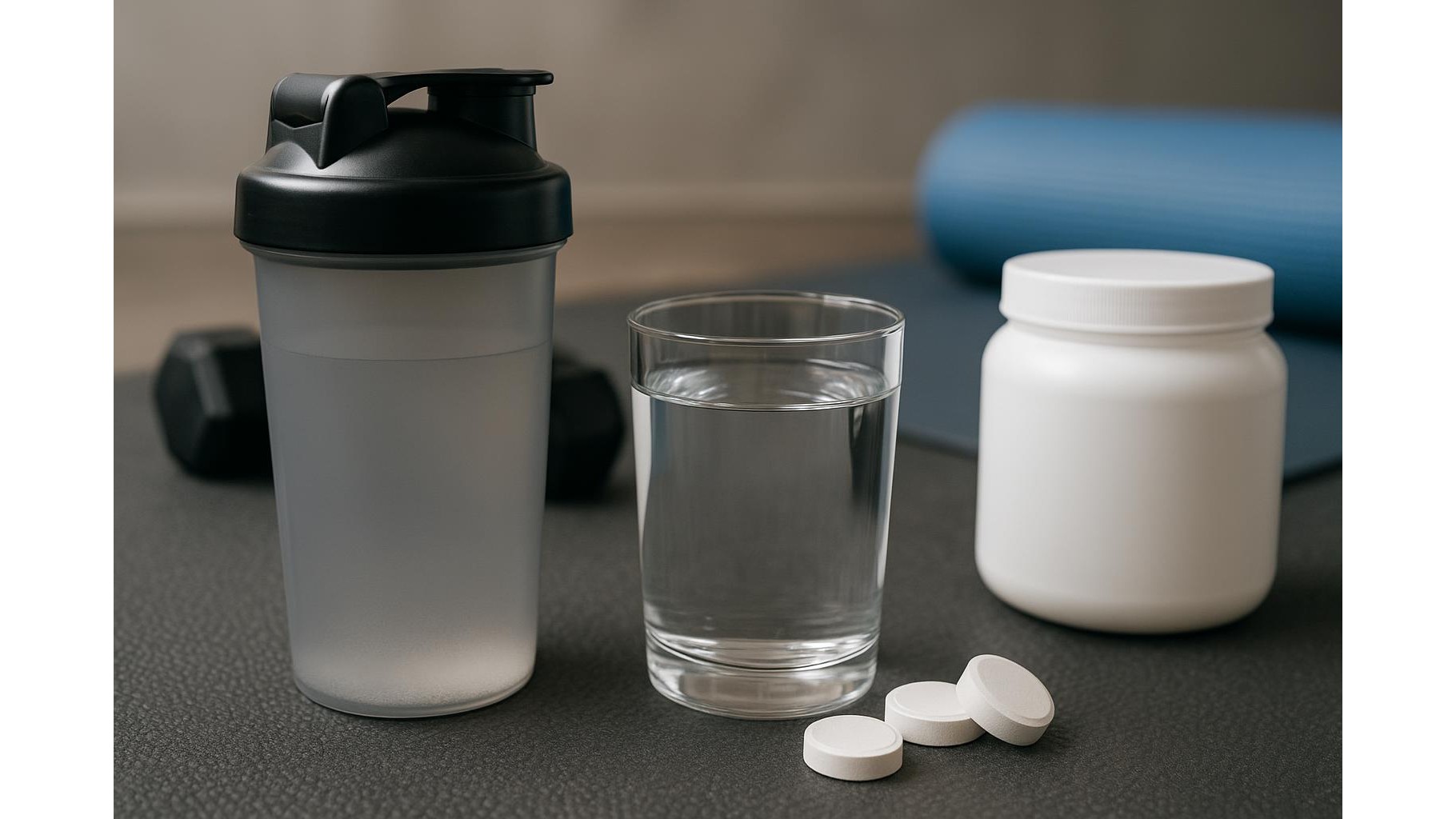
Both electrolyte tablets and electrolyte powders dissolve in water to create a hydrating drink, but they differ in form and flexibility. Tablets are compact, pre-measured and usually low in calories, ideal if you want a consistent, no-fuss solution. Powders are sold in tubs or sachets and typically offer more flexibility in dosage and flavour strength. For example, some powders are designed for long endurance sessions, with higher sodium and added carbohydrates, while many tablets aim at everyday training and general hydration. Understanding these differences helps you match the format to your training style instead of choosing only by flavour or price.
Convenience and portability for home and on the go
If you want maximum convenience, electrolyte tablets usually win. A typical tube easily fits into a gym bag, and you simply drop one tablet into your bottle, wait for it to dissolve, and drink. There is no need to measure scoops or worry about spilling powder on your floor or desk. This is especially helpful if you train at home but also commute or travel frequently. Powders can still be convenient if you prefer to prepare a large jug of drink before a long indoor cycling session or a high-volume strength workout. However, they often require a scoop, a bit more time, and careful storage to avoid moisture. Think about when and where you usually mix your drink: your answer will guide which format feels truly practical.
Dosage, ingredients and how to read the label
Whether you choose tablets or powders, the key is to check the electrolyte content per serving rather than just trusting the marketing claims. Focus on the amount of sodium (often 200–500 mg per serving in sports formulas), plus potassium, magnesium and calcium. Tablets generally have fixed doses: one tablet equals one serving, which makes them very easy to use but less flexible if you sweat a lot or train for over an hour. Powders allow you to adjust the dose by changing the number of scoops or how much water you use. Also pay attention to sweeteners, flavourings, and added sugars. Some products include carbohydrates for energy, which can be useful for long cardio sessions but unnecessary for short strength workouts where you just need minerals and fluid.
Common mistakes to avoid with electrolyte supplements
A frequent error is assuming more is always better. Overusing electrolyte powders or tablets can lead to excessive sodium intake, bloating, or stomach discomfort. Another mistake is forgetting that electrolytes do not replace regular water intake: they are a complement, not a substitute. Many home athletes also mix their drink too strong, especially with powders, which can make the taste unpleasant and irritate the gut during intense intervals. On the other hand, using too little product leaves the drink too weak to be effective. Finally, some people choose only by flavour or colour, ignoring the ingredient list. For smart home training, prioritise the electrolyte profile, not just the taste or the trendiest branding.
How to choose the right format for your home workouts
Start by analysing your typical session. If your home workouts are mostly 30–60 minutes of strength training, HIIT or indoor cycling with moderate sweating, electrolyte tablets can be a simple, low-calorie choice that ensures consistency. If you regularly do long endurance rides on the turbo trainer, extended circuit sessions, or multiple daily workouts, an electrolyte powder with higher sodium and optional carbs may suit you better, giving you room to personalise doses. Consider your sensitivity to sweeteners, your need to control calories, and how much time you want to spend preparing drinks. Whichever format you choose, test it in easier sessions first, monitor how you feel, and adjust the dosage until you find the balance that supports your performance without upsetting your stomach.
In summary, both electrolyte tablets and electrolyte powders can effectively support hydration and performance in your home gym. Tablets offer maximum convenience, portability and portion control, while powders provide greater flexibility and can better match demanding or long-duration indoor training. Focus on your actual workout duration, sweat rate and nutritional needs, read labels carefully, and avoid the trap of overdosing. With a bit of experimentation, you can find the format that fits your routine and helps you get more from every home session.