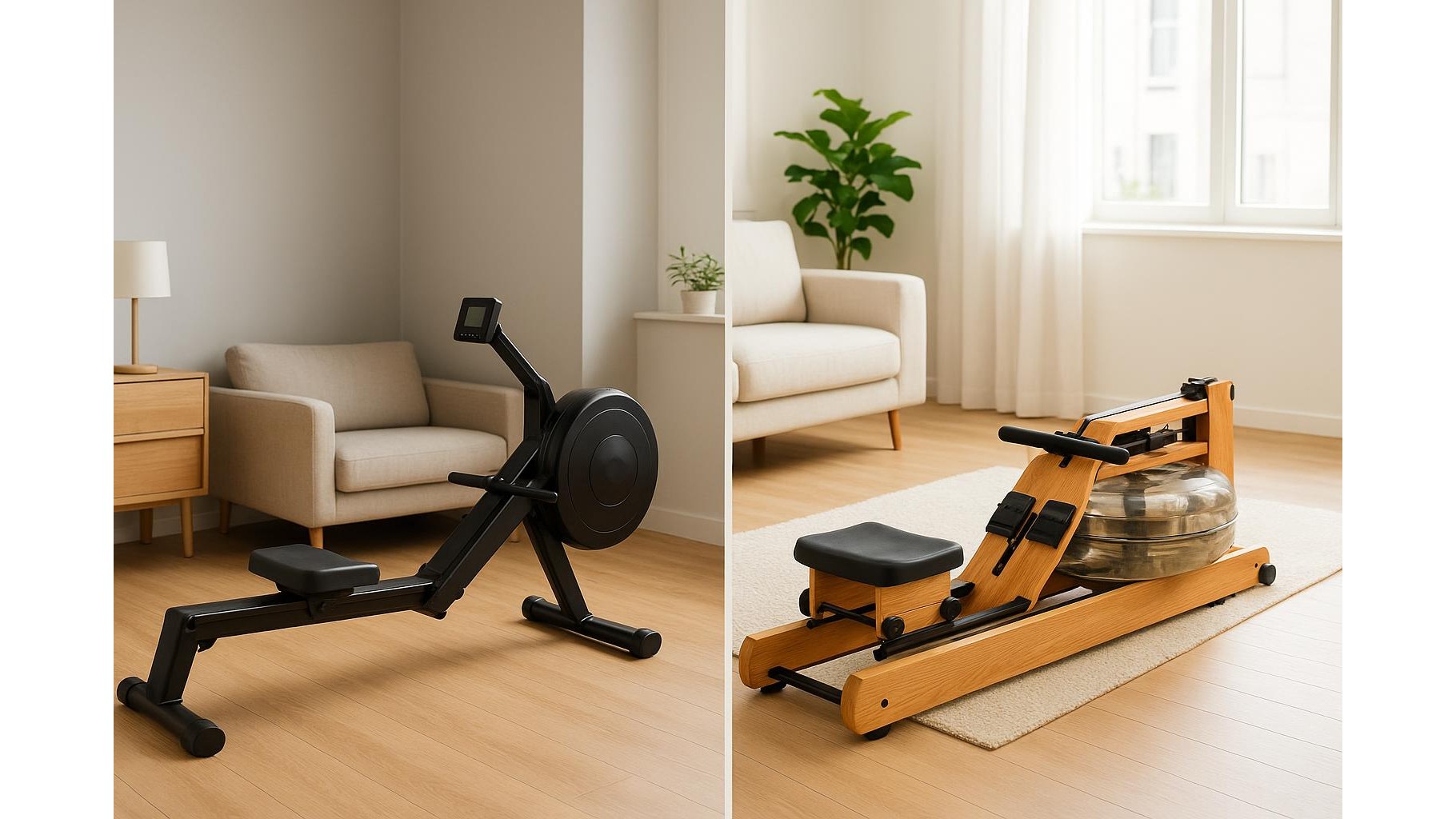
Choosing between a magnetic rowing machine and a water rower is one of the biggest decisions when building a quiet, effective home gym. Both deliver low‑impact cardio and full‑body conditioning, but they behave very differently in terms of noise level, footprint, maintenance and the overall rowing feel. Understanding these differences will help you pick the style that actually fits your space, schedule and training goals instead of just looking good in the corner of your living room.
How magnetic and water resistance actually work
A magnetic rowing machine uses a spinning metal flywheel and magnets to generate resistance. As you pull the handle, the flywheel turns through a magnetic field; changing the damper or digital level moves the magnets closer or farther away, making the stroke easier or harder. The big benefit is that resistance is consistent and adjustable at the touch of a button, ideal for structured intervals and heart‑rate‑based training. A water rower, by contrast, uses a paddle inside a water tank. The harder and faster you pull, the more the water resists you. This creates a very natural, progressive resistance curve that closely mimics rowing on a lake, which many users find more intuitive and engaging.
Noise: which rower is better for flats and late‑night sessions
If you live in a flat or share walls, noise may be the deciding factor. Magnetic rowers are typically the quietest rowing machines you can buy: the flywheel spins smoothly with little friction, and most of the sound comes from the seat rolling on the rail. This makes them excellent for early‑morning or late‑night workouts while family members sleep or neighbours sit just a wall away. Water rowers are not loud in a harsh way, but they do produce a noticeable whooshing and splashing sound as the paddles churn the water. Many users love this as a calming, almost meditative ambience, but it is more audible through thin walls and floors. If silence is your top priority, a magnetic system usually wins.
Footprint, storage and home gym aesthetics
Your available floor space will also push you toward one style or the other. Most magnetic rowing machines are designed with compact home use in mind: many models fold at the rail so you can tilt the frame upright and wheel it against a wall after your session. This makes them a practical choice for small apartments or multi‑use rooms. Water rowers often feature a longer, fixed frame with a prominent water tank at one end; while they can usually be stored standing vertically, they still require more ceiling height and a stable corner. On the flip side, the wooden or sculpted designs common with water rowers can make them look more like furniture than fitness kit, which is attractive if your machine will live in a visible part of the house.
Training feel, performance feedback and programming
The training feel is where preferences become very personal. Magnetic resistance tends to feel smooth and even from catch to finish, especially at moderate stroke rates. Because resistance is not tied directly to your speed, it is easy to dial in precise settings for interval workouts, progressive overload or steady‑state cardio. Coupled with modern consoles that track distance, pace, strokes per minute and calories, magnetic rowers are excellent for data‑driven home athletes following structured plans. Water rowers reward powerful strokes: the harder you drive with your legs, the more resistance you feel, which encourages strong, explosive technique. Many people also find the slight variation in resistance from stroke to stroke more engaging and realistic, making long rows less monotonous. If you want the closest thing to on‑water rowing, water resistance has the edge.
Maintenance, durability and long‑term ownership
From a maintenance standpoint, magnetic rowing machines are generally low‑effort. There is no fluid to change, and the main tasks are keeping the rail clean, occasionally checking the bolts and, on some models, lubricating moving parts as recommended by the manufacturer. Because the resistance system uses magnets rather than friction, wear and tear on the core mechanism is minimal. Water rowers require a bit more care. You will need to add water purification tablets periodically to keep the tank clear, and you may top up or change the water over time. The tank and seals must be treated more gently when moving or storing the machine. In return, a well‑kept water rower can be extremely durable, and many owners enjoy the ritual of maintaining it as they would a piece of traditional sports equipment.
Which rowing machine suits your home and goals?
In the end, the choice between a magnetic rowing machine and a water rower comes down to your space, noise limits and what motivates you to keep training. If you need near‑silent operation, a compact folding footprint and precise, programmable resistance for structured workouts, a magnetic rower is usually the best fit for a modern home cardio setup. If you crave a more immersive, realistic rowing feel and love the idea of a tactile, visually striking machine that sounds like water under oars, a water rower will likely keep you more engaged. Consider when and where you train most often, who you might disturb and what kind of rowing experience excites you—then choose the style that makes it easiest to sit down, strap in and row consistently week after week.