Creating a home gym in a small space often means compromising on bulky equipment. Sand-filled dumbbells offer a smart, compact solution: they are typically softer on floors, quieter when you train, and easier to store than traditional iron weights. Choosing the right compact sand-filled dumbbell set, however, requires attention to safety, grip, adjustability and storage so you can build strength at home with confidence.
Why choose sand-filled dumbbells for home workouts
Sand-filled dumbbells are ideal if you train in a flat or shared house and want to minimise noise and impact. The sand core is usually enclosed in a soft-touch shell that is kinder to tiles, laminate or wooden floors than bare metal. Many sets are more compact than full-size adjustable dumbbells, so they fit easily into cupboards or under a bed. For beginners or those returning from a break, the weight range is often moderate, supporting safe strength training without the intimidation of large plates. They are also well suited to full-body routines including squats, lunges, overhead presses and core work.
Key safety features to check before you buy
Safety should be your first priority when buying a sand-filled set. Look for a robust outer shell with reinforced seams to prevent leaks and sudden weight shifts. A secure internal structure helps keep the sand evenly distributed so the dumbbell feels stable throughout each rep. If the design includes a central handle or removable weight pouches, check that closures such as zips, straps or clips lock firmly in place during movement. For home use, it is wise to choose a model with a slightly textured exterior that will not become too slippery if your hands sweat. Finally, confirm that the overall weight is clearly labelled on each piece to avoid confusion when progressing your workout.
Grip comfort and ergonomics for safer lifting
A good grip reduces fatigue in your hands and supports better lifting technique. Prioritise dumbbells with an ergonomic handle that fits your hand size, ideally with a slight contour rather than a flat or overly wide shape. A non-slip, rubberised or neoprene-style surface is useful for home training because it is comfortable without the need for thick gloves, especially in longer sessions. Balanced weight distribution is just as important: if the sand shifts too much, your wrists have to work harder to stabilise, which may increase strain. When possible, choose designs where the bulk of the sand sits symmetrically around the handle to mimic the feel of a traditional solid dumbbell.
Adjustability and progression in a compact format
To get stronger over time, you need a way to progress the load. Many compact sand-filled sets include multiple weight levels within one piece of equipment, for example by using removable sand bags or pouches. This helps you save space compared with owning several fixed-weight pairs. When evaluating an adjustable option, check how quickly you can change the weight between exercises and whether the adjustment mechanism is intuitive. Clear markings for different weight increments make it easier to track your training plan. Even if you start with lighter weights, choosing a set that allows gradual increases will support long-term strength gains without needing to replace your equipment after a few months.
Space-saving storage and protecting your home
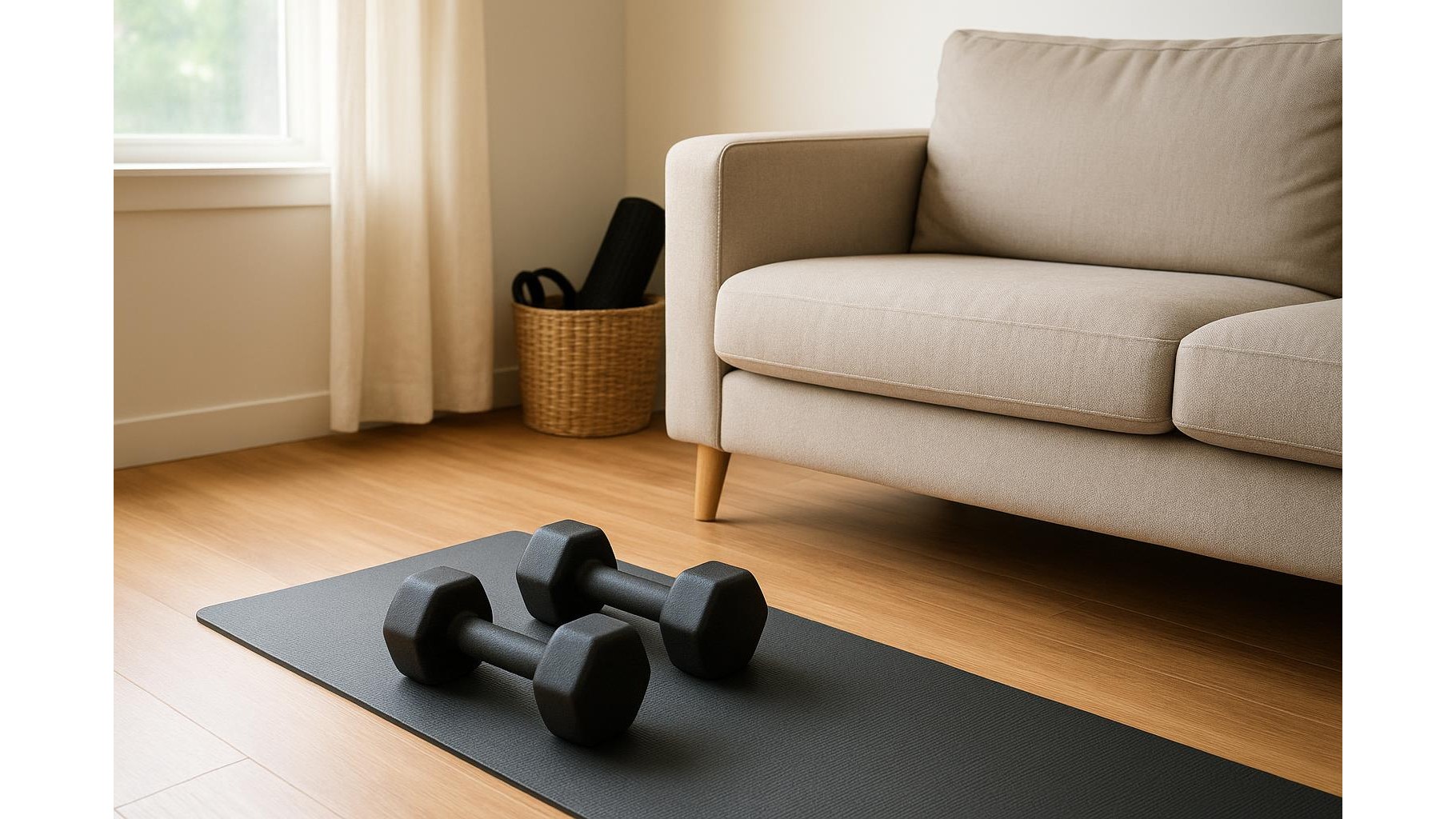
If you live in a small flat, storage is just as important as performance. Compact sand-filled dumbbells often stack or nest together, which means they can be stored vertically in a corner or horizontally on a low shelf. Seek out sets that come with a carry bag or compact rack to keep everything organised and prevent dust build-up. The softer exterior of sand-filled designs already helps protect floors and furniture, but you can go further by adding a thin exercise mat under your training area to reduce noise and impact. Because these dumbbells are typically lighter than metal equivalents, they are easier to move between rooms or take outdoors for a quick garden or balcony session.
Building a safe home strength routine with sand-filled dumbbells
Once you have chosen a suitable set, focus on using it effectively. Start with basic compound exercises such as goblet squats, Romanian deadlifts, bent-over rows and overhead presses to target major muscle groups. Perform each movement with controlled tempo and full range of motion, keeping your wrists neutral and your core engaged. Gradually increase the load or the number of repetitions as your strength and confidence grow. Pair your sand-filled dumbbells with simple accessories like a non-slip mat and a timer app to structure your sessions. With thoughtful selection and consistent use, a compact sand-filled dumbbell set can become the heart of a safe, space-efficient home strength training routine.
In summary, choosing the right compact sand-filled dumbbell set means balancing safety, comfort, adjustability and storage. By prioritising secure construction, ergonomic grip and space-saving design, you can build an effective home gym that supports steady progress without overwhelming your living area. A well-chosen set will protect your floors, keep noise low and make everyday strength training both practical and sustainable.