
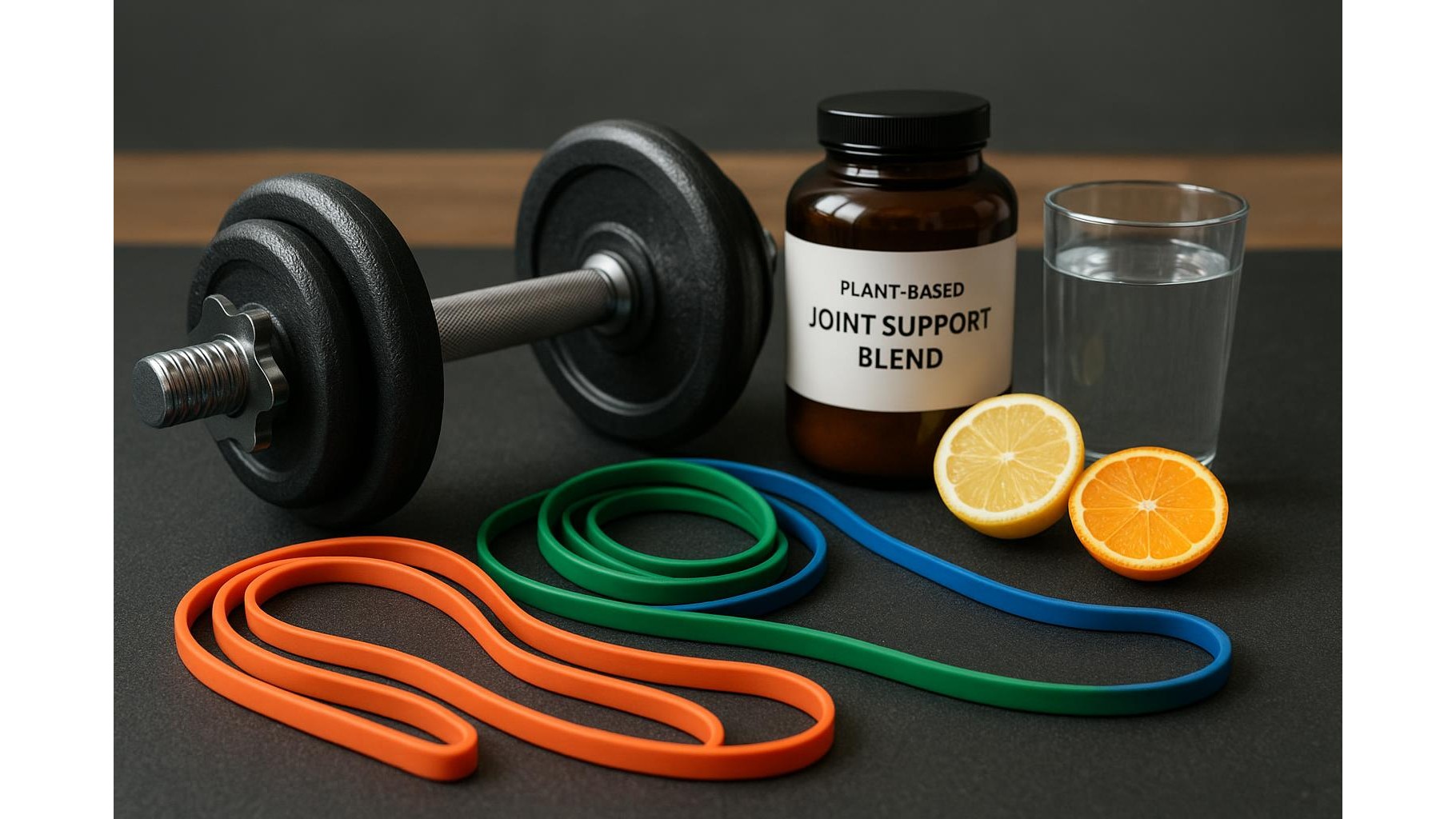
When you start pushing heavier weights in your home gym, your joints usually complain before your muscles do. That’s why many lifters look at collagen supplements and plant-based joint blends as possible support. But they work in very different ways, and neither is a magic fix. Understanding the evidence, realistic benefits and how to pair them with training and nutrition is key before you hit “buy now”.
How collagen supplements are supposed to work
Collagen peptides are broken-down proteins derived from animal sources such as bovine or marine collagen. Once digested, their amino acids—especially glycine, proline and hydroxyproline—are used by the body to build and repair connective tissue like cartilage, tendons and ligaments. Research suggests that taking around 10–15 g of collagen peptides, particularly with vitamin C, about an hour before loading the joint (for example, skipping, light jumps, or resistance training) may modestly improve joint comfort over time. For home lifters with increasing volume or who are returning after a layoff, collagen can be a useful adjunct—but only alongside progressive, smart programming.
What plant-based joint blends actually offer
Plant-based joint blends usually combine ingredients like turmeric/curcumin, ginger, boswellia, MSM, and sometimes hyaluronic acid or vitamin C. These products don’t supply collagen itself; instead, they aim to reduce inflammation and support overall joint environment. Compounds such as curcumin and boswellia have some evidence for reducing joint discomfort in osteoarthritis and active populations, particularly when taken daily and at clinically effective doses. For lifters training at home who prefer to stay vegan or avoid animal products, these blends can be an option, but benefits are usually subtle and depend on consistency, dose and overall lifestyle.
Who might benefit most from collagen vs plants
If you’re a home lifter increasing heavy squats, presses and pulls, and you eat little connective tissue (bone broth, slow-cooked meat, skin), supplemental collagen peptides may be more directly useful because they provide the specific amino acids your tissues need. Older lifters, and those with a history of tendon or ligament issues, are often the ones who notice the most difference. On the other hand, if you have a generally inflamed lifestyle—poor sleep, high stress, minimal fruits and vegetables—or your discomfort feels more systemic than localised, a plant-based anti-inflammatory blend that includes curcumin and boswellia might be more relevant. Vegans and vegetarians will also lean toward plant-based options because standard collagen is an animal-derived product.
How to pair supplements with training and nutrition at home
No joint supplement can compensate for poor programming. Prioritise gradual progressive overload, technique work, and sufficient deload weeks. If you use collagen, take 10–15 g with some vitamin C-rich food (like fruit or a small juice) 30–60 minutes before joint-loading sessions to align with current research protocols. Plant-based blends are usually taken once or twice daily with meals for better absorption and GI comfort. Both strategies must sit on top of sufficient protein intake (around 1.6–2.2 g/kg bodyweight per day for lifters), plenty of colourful vegetables, and hydration to support cartilage and synovial fluid.
What to look for on the label when buying
For collagen supplements, look for clearly labelled “hydrolysed collagen peptides”, with total dose per serving, and ideally at least 10 g per day. It is helpful if vitamin C is included, but you can also add it from food. Avoid products that hide behind “proprietary blends” without stating the actual collagen grams. For plant-based joint formulas, check that key ingredients like curcumin (often standardised to 95% curcuminoids), boswellia serrata and ginger are dosed in line with existing studies, not just “fairy dusted” in tiny amounts. Minimal added sugars and simple ingredient lists are a plus. Remember that price does not always equal quality; evidence, transparency and suitable dosing matter more.
Choosing what fits your home lifting goals
Before adding any joint supplement, assess your training structure, recovery and diet: these are the foundations of long-term joint health. Collagen tends to be better for directly supporting connective tissue building blocks in lifters who use animal products, while plant-based blends are more about modulating inflammation and fitting vegan lifestyles. Some lifters will experiment with both at different times, but you should introduce only one change at a time and track how your joints feel over several weeks. Used intelligently, these products can complement a smart home training plan—but they should never replace solid technique, progressive loading, and a nutrient-dense diet.
In summary, collagen supplements and plant-based joint blends can each play a role in a home lifter’s toolkit, but neither is a stand-alone solution. Collagen offers targeted building blocks for tendons, ligaments and cartilage, especially when paired with proper loading and vitamin C, while plant formulas emphasise anti-inflammatory support and dietary preferences. Focus first on training quality, sleep and nutrition, then choose the supplement type that best matches your goals, ethics and budget—and give it time to work before judging the results.









