
Training with a partner at home can turn a simple workout into a powerful mix of motivation, accountability and fun. This 40-minute home strength workout for couples blends dumbbell exercises and bodyweight partner moves, so you can challenge each other, coordinate your effort and build a stronger body (and relationship) without a crowded gym or bulky equipment.
Essential gear for a shared home strength session
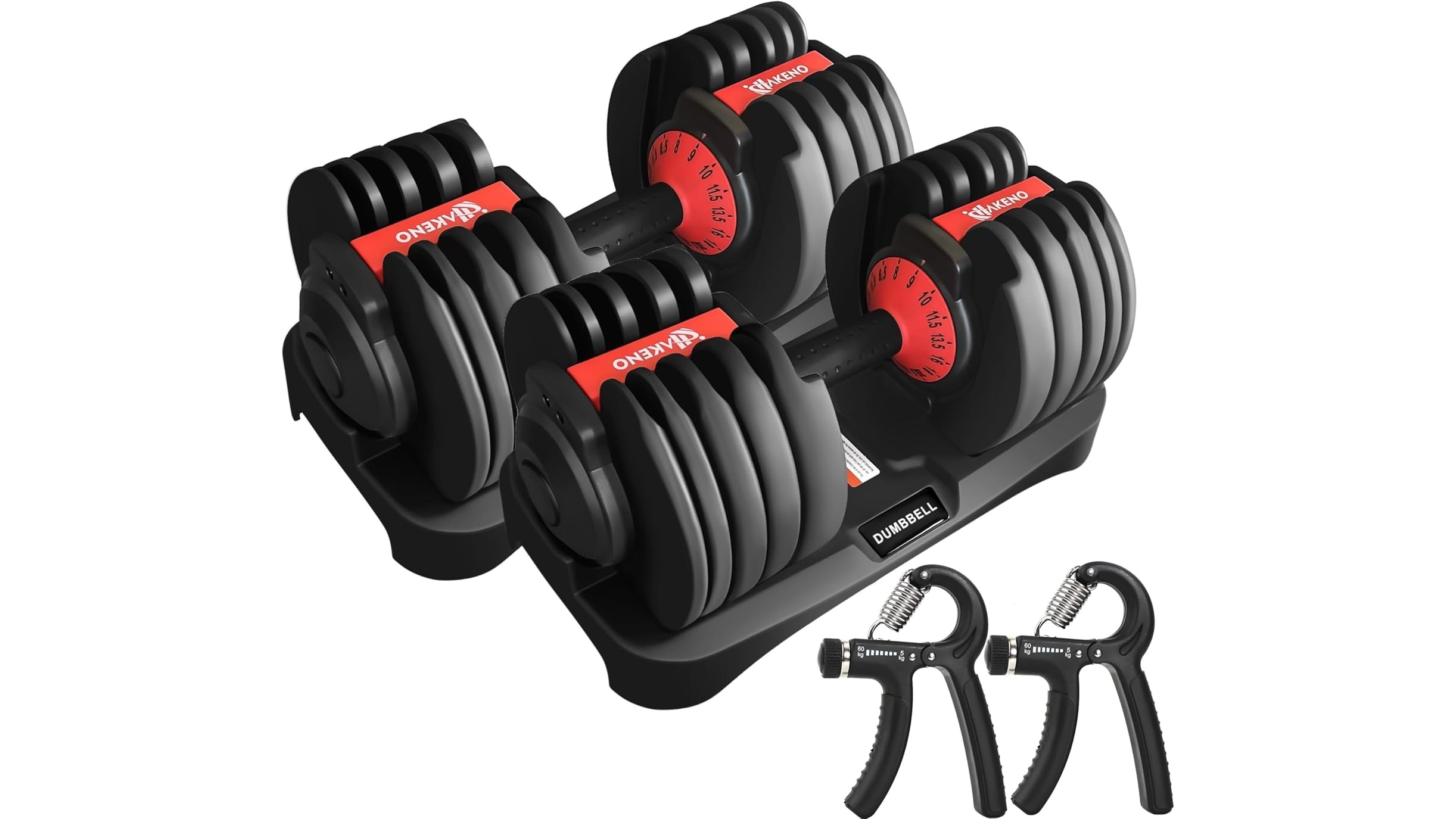
For this routine you only need some floor space, a mat and one pair of adjustable dumbbells. A versatile option is the 2x24kg/40 kg Adjustable Dumbbells 15 in 1 Dumbbell Set, which offers 15 different weight settings per dumbbell from 2.5 kg up to 24 kg. The quick one‑second weight adjustment by rotating the handle means you can swap loads between partners fast, keeping rest short and intensity high. The double auto‑locking design securely locks the plates when lifted, a big safety plus when you’re passing dumbbells or lifting overhead in close proximity. Because one compact pair replaces an entire rack and occupies only a tiny footprint, it’s ideal for couples sharing a small living room home gym.
Warm-up and structure of the 40-minute partner workout
Begin with a 5‑minute warm‑up together: march or jog on the spot, then add arm circles, hip rotations and a few slow bodyweight squats and walkouts. The main workout uses a circuit format: 5 blocks of 6 minutes each (45 seconds work, 15 seconds transition; 5 rounds per block), alternating between dumbbell and bodyweight partner exercises. While one person works, the other either mirrors the movement or performs a complementary move, then you swap on the next interval. Aim for a mix of upper body, lower body and core so the session feels balanced but remains engaging. Finish with 5 minutes of stretching and deep breathing to cool down and reconnect.
Upper-body partner strength: push, pull and press
Block one targets the upper body. Partner A performs dumbbell floor presses with the adjustable dumbbells, focusing on controlled tempo and full range of motion, while Partner B holds a high plank or performs shoulder taps. On the next interval, switch roles. Follow this with single‑arm dumbbell rows where Partner A rows while Partner B maintains a glute bridge hold for extra posterior‑chain activation. The wide weight range of the adjustable set allows stronger partners to go heavier on presses and rows while beginners choose lighter plates and focus on technique. Keep communication open: agree on rep pace and cue each other on posture, bracing and breathing.
Lower-body power and stability for two
In the second and third blocks, shift emphasis to the lower body. Start with goblet squats using a single adjustable dumbbell, passing it to your partner at the top of each rep for a smooth rhythm that keeps both engaged. Progress to reverse lunges or split squats, with each partner selecting an appropriate dumbbell setting based on leg strength and balance. Then integrate bodyweight partner squats: stand facing each other, hold hands and sink into a squat together, using each other for balance and depth feedback. Add glute bridges, hip thrusts and calf raises between dumbbell sets to increase volume without overloading the spine. Focus on stable knees, even weight distribution and smooth breathing to stay safe.
Core, conditioning and playful partner drills
The final main block turns up the fun factor. Try Russian twists passing a dumbbell between you, plank high‑fives and sit‑up passes. You can also create short cardio bursts with 30–40 seconds of lateral shuffles facing each other, adding a low‑impact jump or squat touch at the ends. The compact design and secure locking of the adjustable dumbbells reduce clutter and tripping hazards as you move quickly. If one partner is more advanced, they can handle a heavier dumbbell or more dynamic variations, while the other uses a lighter setting or bodyweight only. Keep rest intervals brief, cheer each other on and treat the whole block as a team challenge rather than a competition.
Progressions, safety tips and making it a weekly ritual
To keep progressing, gradually increase dumbbell load, add extra rounds or shorten rest periods. The 15‑in‑1 adjustable system makes load changes precise and efficient, so you can track improvements over time. Prioritise safety: always check that weight plates are locked before lifting, especially when exercising close to one another, and avoid dropping dumbbells outside their base to protect both the floor and the mechanism. Agree on clear cues (“stop”, “last rep”, “heavier next round”) so you stay in sync. Turn this home strength workout for couples into a weekly ritual, maybe pairing it with a shared playlist or post‑session meal, and you’ll build not just strength and endurance, but also trust, communication and quality time together.
By combining smart, space‑saving equipment with simple but effective partner exercises, this 40‑minute plan helps you and your training partner stay consistent, strong and motivated—without ever leaving your living room.









