
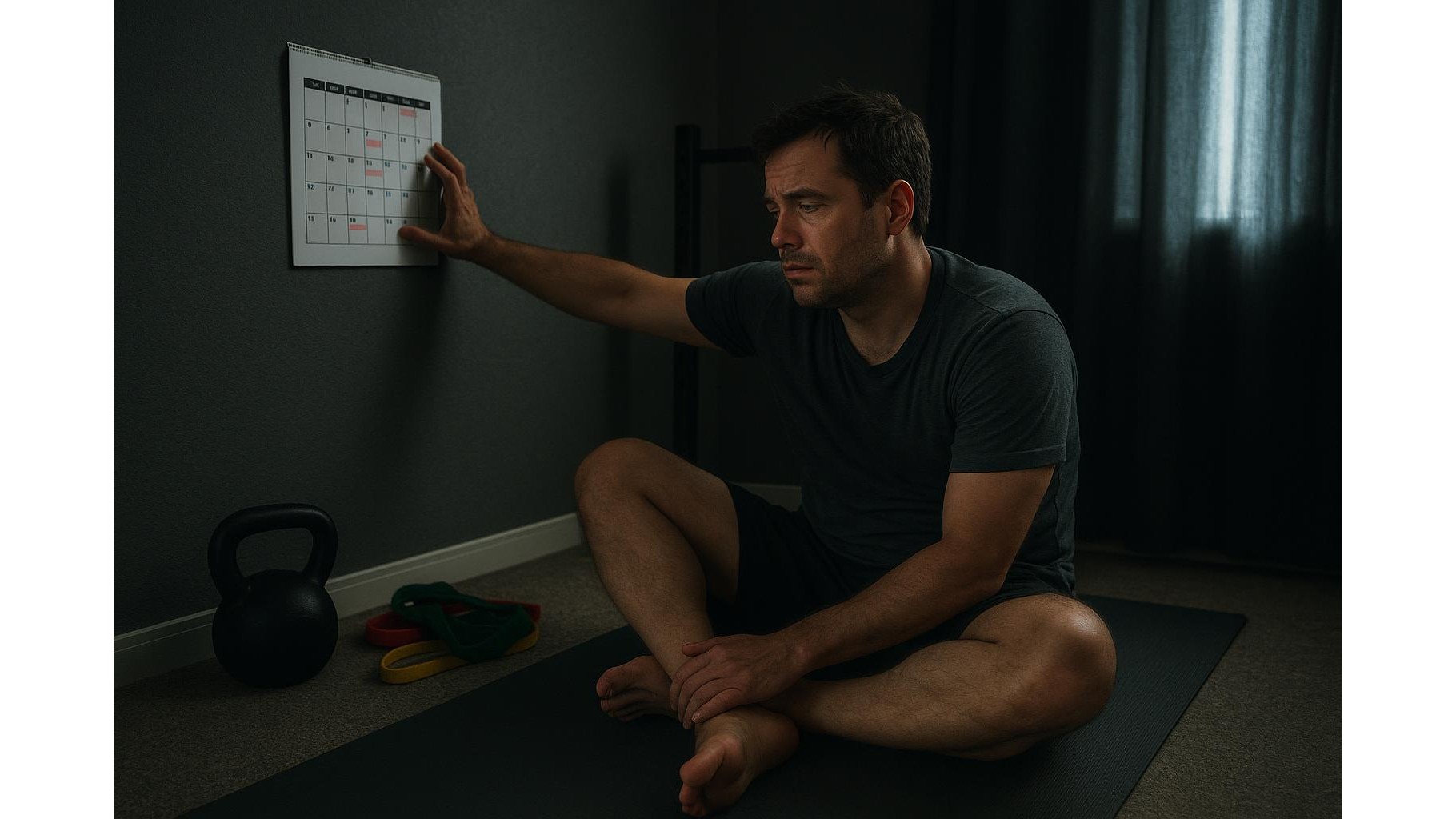
For shift workers who train in a home gym, recovery can feel impossible. Nights, early mornings and rotating rosters disrupt your body clock, making it hard to sleep well, eat consistently and stick to a fixed workout plan. Instead of chasing a perfect routine, you need a flexible recovery system that bends with your timetable. This article lays out simple, evidence-informed strategies you can plug into any week: smarter sleep hygiene, mini mobility breaks, nutritional anchors and intensity tweaks that protect your progress even when your schedule keeps changing.
Build flexible sleep hygiene, not strict bedtime rules
When your shifts rotate, classic advice like “go to bed at the same time every night” simply does not work. Focus instead on repeatable pre-sleep rituals you can run any time you are due to sleep. Keep your bedroom cool, quiet and dark; use blackout curtains or an eye mask when sleeping during the day, and white noise if your home is noisy. Aim for a 20–30 minute wind-down: dim lights, no work emails, minimal screens and slow breathing or gentle stretching. Even if your sleep window is short, these habits improve sleep quality, helping your muscles repair after home workouts. Try to protect at least one “anchor sleep” block of 5–6 hours, then top up with 20–30 minute naps before or after tough training sessions instead of relying on caffeine alone.
Use mini mobility breaks to reduce stiffness and fatigue
Long shifts on your feet or at a desk create tight hips, sore backs and stiff shoulders that bleed into your home training. Instead of hoping a single long warm-up will fix everything, sprinkle in micro mobility breaks across your day. Every 60–90 minutes, stand up and do 2–3 minutes of dynamic moves: hip circles, cat-camel, thoracic rotations and band pull-aparts if you have resistance bands in your home gym. These short sessions keep joints lubricated, reduce tension and make it easier to hit full range of motion when you train. On brutally busy days when a full workout is not realistic, stack three or four of these micro sessions to at least keep your movement patterns and tissues primed until your next proper session.
Anchor your nutrition to shift times, not the clock
Irregular hours can wreck both appetite and food choices, but you do not need a perfect meal schedule to support recovery. Instead, think in terms of anchors tied to your shift: a balanced meal 60–90 minutes before training (whenever that falls) and a protein-focused meal or snack within 1–2 hours after. Each anchor should include a solid protein source, some complex carbs and a bit of healthy fat to stabilise energy and support muscle repair. Around night shifts, minimise ultra-processed snacks and sugary drinks that spike and crash your energy. Prepare simple, reheatable meals on off days so you can just grab, heat and eat when you stumble home. Hydrate steadily across your shift, especially if your home workouts include higher-intensity intervals or circuits in a warm room.
Adapt training intensity to your real energy levels
Trying to force heavy sessions on zero sleep is a fast track to burnout. For home-based training, create three tiers of workouts: high-intensity (heavy lifting or hard intervals), moderate (steady circuits, tempo cardio) and low-intensity (mobility, easy walking, light band work). At the start of each day, honestly rate your fatigue from 1–10 and choose the tier that matches your capacity, not what your plan says on paper. After brutal nights, prioritise low-intensity movement and extra sleep instead of chasing PRs. When you hit a run of good sleep and lighter shifts, schedule your heavier training. This auto-regulation keeps you progressing without digging a recovery hole that bleeds into your work performance and overall health.
Create simple at-home recovery rituals you can do in 10 minutes
Because your schedule changes weekly, your recovery habits must be short, portable and realistic. Build a 10-minute post-workout recovery block you repeat nearly every time: 3–5 minutes of easy walking around the house, 3 minutes of targeted stretching for the muscles you trained and a brief breathing drill to shift out of “fight or flight” into a calmer state. On non-training days, run a shorter version focused solely on breathing and gentle mobility to keep blood flowing and stress lower. Pair these rituals with consistent cues—same playlist, same small corner of your home gym—so your brain learns to associate them with winding down. Over time, these small, repeatable actions add up to better recovery than sporadic, heroic efforts.
For busy shift workers training at home, recovery is not about following a perfect timetable but about building flexible systems that move with your life. By prioritising adaptable sleep hygiene, mini mobility breaks, nutrition anchored to your shift pattern, auto-regulated training intensity and quick recovery rituals, you create a resilient base that supports both performance and health. Your schedule may change every week, but your recovery habits can stay steady—helping you keep training, stay injury-free and feel more human on and off the job.









