Choosing the right weight plates for your home gym is one of the most important decisions you’ll make when building a training space that actually fits your life. The ideal setup depends on where you live, how loud you can be, the type of barbell or adjustable dumbbells you own, and how strong you plan to get. This guide walks you through bumper plates, cast iron plates and adjustable plate sets, with practical considerations for small spaces and shared apartments.
Understanding plate types and diameter compatibility
Before you click “buy”, you need to match plate type and hole diameter to your current or future bar. Most home users in the UK will encounter three common standards: 25 mm, 28 mm and 30 mm bars (often labelled as 1-inch or standard), and 50 mm Olympic bars. Bumper plates are usually designed for 50 mm Olympic sleeves, while many budget cast iron plates and spinlock dumbbells are 25–30 mm. Mixing them rarely works well. Always check that the inner hole size of the plates matches the barbell or dumbbell handle you own; a sloppy fit feels unsafe and can damage both your equipment and your floor.
When bumper plates make sense at home
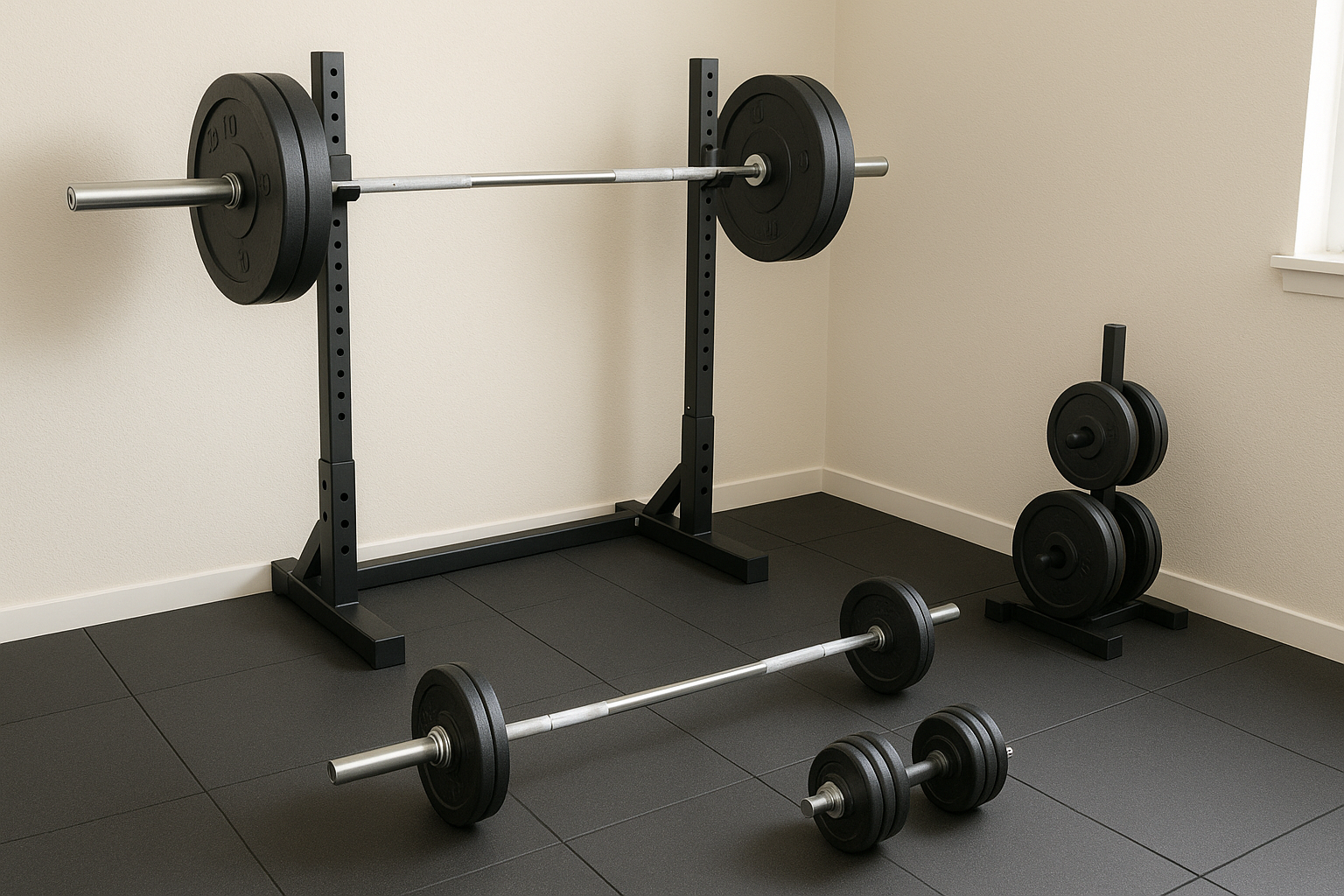
Bumper plates are thick rubber-coated plates that can be dropped safely from hip or shoulder height when used with an Olympic barbell. They shine if you practice Olympic lifts, dynamic movements or simply want to protect your floors. In shared flats, the rubber outer layer helps reduce impact and vibration compared with bare iron. The trade-off is that bumper plates are bulkier, so you will run out of sleeve space sooner at heavier loads, and they tend to cost more per kilo. They work best if you have a sturdy lifting platform, reasonably high ceilings and understanding neighbours who can tolerate some noise during your sessions.
Cast iron plates: compact strength for tight spaces
Cast iron weight plates remain the most space-efficient way to load a barbell or spinlock dumbbell. Because they are thinner than bumpers, you can fit more total weight on short sleeves, which is ideal if you’re aiming for heavy squats and deadlifts in a compact rack or foldable gym. The downside is that iron is noisy and unforgiving: drops on hard floors can crack tiles, chip the plate and annoy everyone in the building. To make iron plates more apartment-friendly, combine them with a good rubber mat and controlled lifting technique—no dropping from height. Cast iron is usually the best value-per-kilo choice if you care about maximum load and minimal footprint.
Adjustable plate sets and dumbbells for multi‑use homes
In small flats or multi‑use living rooms, adjustable dumbbells with plates can replace a full rack of fixed dumbbells. Standard spinlock sets let you share the same plates between a short barbell and dumbbells, reducing how much gear you need to store. This modular approach is ideal if you train in a corner of the bedroom or have to set up and pack away equipment after each workout. The main compromise is convenience: changing plates takes time, and the overall length of loaded adjustable dumbbells can make some exercises feel awkward. Still, for many beginners and intermediate lifters in tight spaces, a well-chosen adjustable plate set strikes the best balance between versatility, cost and storage.
Noise, flooring and neighbour‑friendly choices
No matter which plates you choose, think about noise control and floor protection. Bumper plates on a decent mat are the quietest for heavy barbell work, but even cast iron plates can be neighbour‑friendly if you avoid dropping and use thick rubber flooring or interlocking tiles. If you train early or late, lighter adjustable dumbbells and controlled tempo work will disturb others far less than heavy deadlifts. Also consider how you store the plates: a compact plate tree or under‑bed storage box keeps your space tidy and makes it easier to train without turning the living room into a permanent gym. Small details like these often matter more in apartments than one extra set of plates.
In summary, the best weight plates for your home gym depend on bar compatibility, space, noise limits and your training style. Bumper plates are ideal if you lift dynamically and need floor protection; cast iron plates win on compactness and price for heavy strength work; and adjustable plate sets offer maximum versatility for small, shared spaces. Match hole size to your bar, invest in basic floor protection and choose a system you can realistically store and use several times per week. With the right combination, your home gym will feel strong, safe and sustainable for years.