Building an effective home gym is not just about weights and machines. The layers you wear around your training can make a big difference to comfort, performance and recovery. A good lightweight sports jacket or zip hoodie keeps your muscles warm during warm-ups, protects you from chills during cooldowns and is perfect for quick outdoor walks between sessions. Choosing the right outer layer means understanding fabrics, breathability, fit and useful details like pockets and zips.
Why a light outer layer matters in your home gym
In a home gym, temperature can fluctuate more than in a commercial facility. A light sports jacket lets you start your workout feeling warm without overheating once your heart rate rises. During warm-ups, it helps increase blood flow to muscles and reduce the risk of strains. After training, throwing on a thin zip hoodie prevents you from cooling down too fast when you are sweaty, which can leave you feeling stiff or chilled. The ideal jacket slips on and off quickly, works over a base layer or gym T‑shirt and moves with you during mobility drills or light cardio. It becomes a versatile piece you reach for every session, not just when you go outside.
Best fabrics for warm-ups and cooldown comfort
For home training, prioritise technical fabrics that balance warmth and ventilation. Look for polyester blends or light fleece-backed knits that feel soft inside but remain breathable and quick drying. These materials pull moisture away from the skin, so you do not stay damp after a tough set of intervals or strength work. Avoid heavy cotton hoodies that soak up sweat and stay wet. Instead, choose moisture-wicking jackets with a touch of elastane for stretch, making it easier to reach overhead, row or perform dynamic warm-up drills. If you sometimes use your home gym in a garage or on a balcony, consider a jacket with a light wind-resistant outer, so it still feels comfortable during short outdoor walks or cool mornings.
Breathability, ventilation and temperature control
A good home workout jacket must help you manage temperature as intensity changes. Full or half front zips are essential: you can open them fully during high-intensity sets, then zip up for cooldowns and stretching. Mesh-lined panels under the arms or across the back improve airflow, preventing that sticky feeling when you start to sweat. Lightweight hoodies with two-way zips let you adjust from the top or bottom, which is handy for cycling, rowing or working with a belt. If you train in a cooler room, a high collar or hood gives extra warmth without needing a heavier layer. Aim for a jacket you can keep on for the first 10–15 minutes of warm-up without overheating, then quickly vent as your body temperature rises.
Fit, mobility and layering over gym clothes
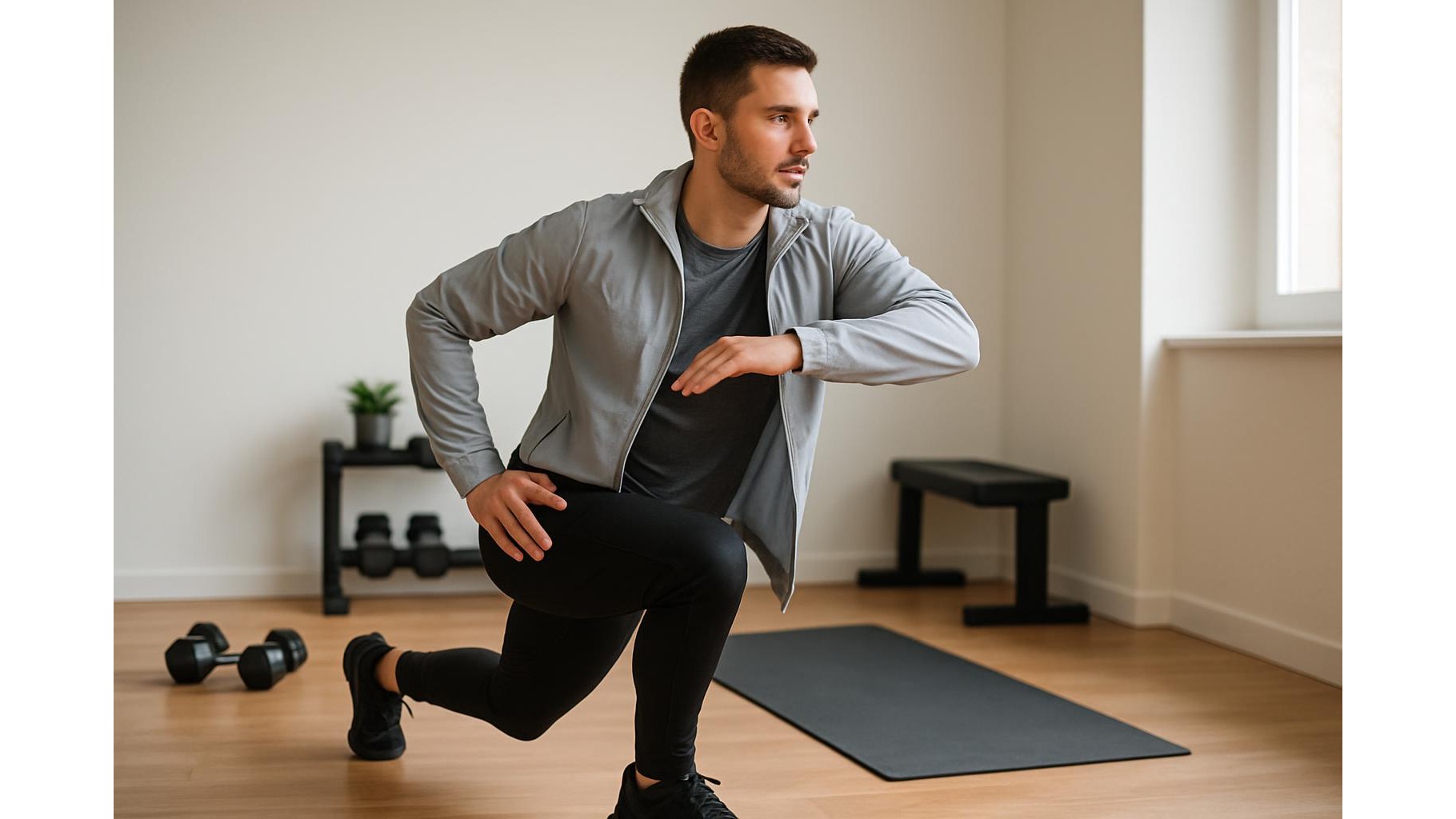
The fit of your sports jacket should support free movement while allowing easy layering over your regular gym tops. Choose a slim or athletic cut that follows the body without clinging, with enough room in the shoulders and sleeves for presses, pull-downs and rows. Raglan sleeves or articulated elbows help keep the jacket from pulling during overhead movements. The hem should sit around the hips so it does not ride up when you squat or use a bench. For home use, it is practical to have a jacket that fits comfortably over both a sleeveless vest and a thicker long-sleeve base layer for cold days. Lightweight stretch fabrics minimise bulk, meaning you can keep the jacket on for mobility flows, walking warm-ups on a treadmill, or light resistance band sessions.
Pockets, zips and everyday practicality
Small details make a light jacket much more useful in a home gym. Look for zipped pockets to hold your phone, headphones or small fitness accessories when you step outside for a walk or jog. Inner pockets are helpful for keeping keys secure if you train in a shared building space or need to go outside for intervals. A full-zip hoodie is more versatile than a pullover for quick changes between sets, especially if you are wearing headphones or a heart-rate strap. Soft zip garages at the top prevent irritation at the neck, while thumbholes can keep hands warm during warm-ups without needing gloves. Because you will likely wear this layer beyond your home gym—on errands, casual walks or commuting—choosing a simple, clean design ensures it fits your everyday wardrobe too.
Choosing the right jacket for your home training style
Your ideal home gym jacket depends on how and where you train. If you focus on strength training, a slightly thicker, stretchy knit with minimal rustling fabric keeps you comfortable between sets and on cooldowns. For HIIT or cardio-focused sessions, prioritise very breathable, quick-drying layers with excellent ventilation. If you often transition from indoor workouts to outdoor walks, look for a jacket that balances warmth and weather resistance without feeling bulky. Whatever your routine, choosing a light, technical outer layer that fits well and manages moisture will help you warm up faster, stay comfortable longer and recover better after every home workout.
In summary, the best home gym sports jackets and light zip hoodies combine technical fabrics, smart ventilation, thoughtful pocket design and a fit that moves with you. Investing in the right outer layer transforms warm-ups, cooldowns and everyday comfort around your training, making your home gym feel more like a complete, performance-focused space.