
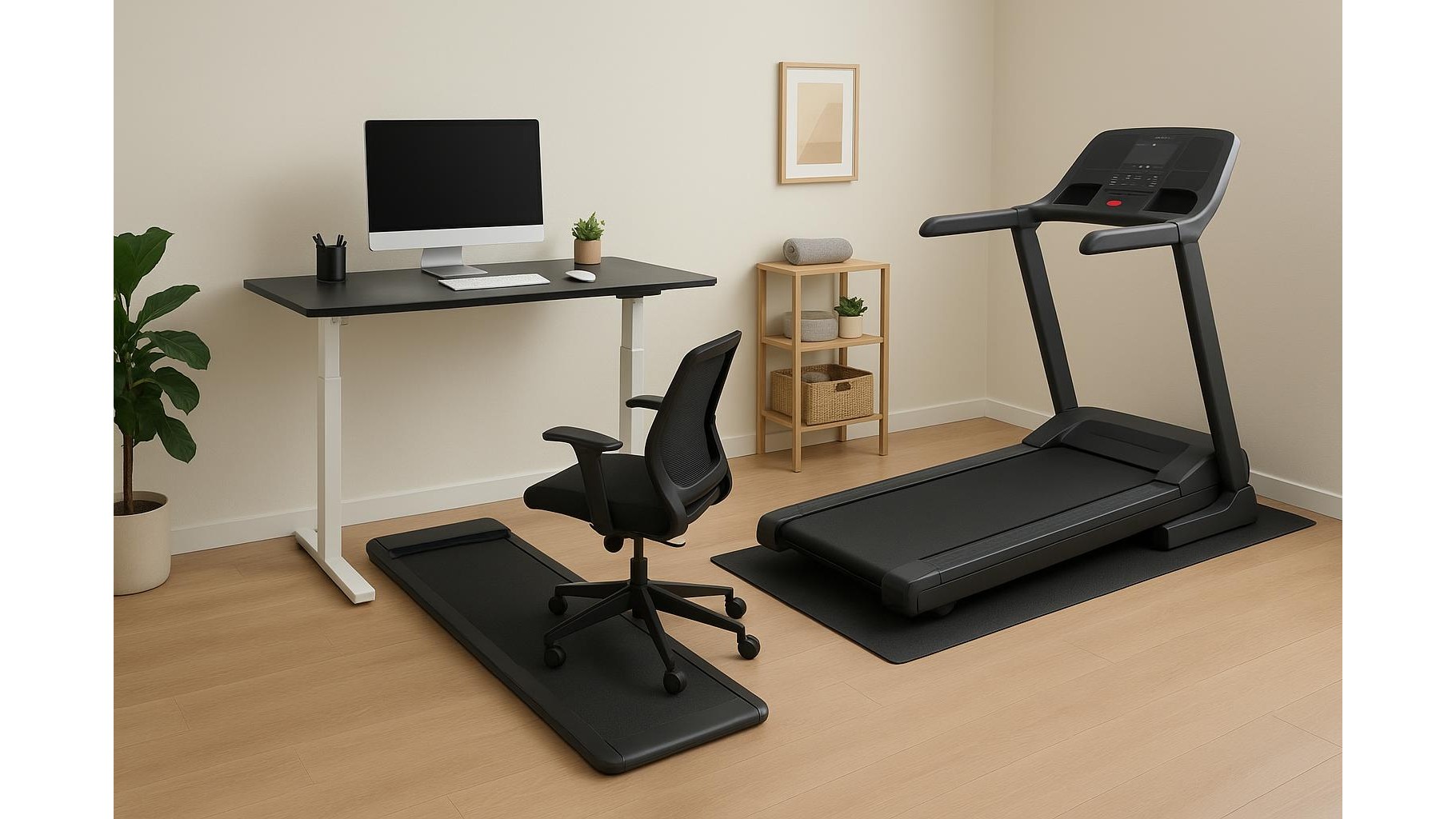
Building a consistent daily cardio habit at home often comes down to choosing the right machine. For many, the debate is between a compact walking pad that slides under the desk, and a full-size incline treadmill designed for tougher workouts. Both can transform your living space into an effective home gym, but they suit very different lifestyles, fitness levels, and spaces. Understanding how they compare in footprint, noise, and training versatility will help you invest in the tool that genuinely supports your everyday movement.
Footprint and storage in real homes
If you live in a flat or share a small home office, footprint is critical. A typical walking pad is slim, low to the ground and often folds in half, so it can slide under a bed, sofa or desk when not in use. Many models weigh far less than a standard treadmill, so they’re easy to move from room to room. An incline treadmill is bulkier by nature: it needs a longer running deck, a motor housing and an upright console. Even foldable incline treadmills still claim a solid chunk of floor space, and you’ll need generous clearance behind and above the machine for safe use. If your training area is temporary or you can’t dedicate a full corner of a room, the walking pad clearly wins on space efficiency.
Noise levels and home-friendly cardio
One of the big advantages of a walking pad is generally lower noise. These compact units are optimised for walking speeds and often use smaller motors, which can be quieter than the powerful motors found in incline treadmills. At gentle desk-walking paces, noise is usually limited to a soft hum and footfall, making it easier to take calls or watch TV without cranking the volume. An incline treadmill, especially at higher speeds and steeper gradients, can be significantly louder. The motor works harder and your footstrike is heavier, which can transmit vibration through floors. For upstairs flats, late-night workouts or shared living spaces, a walking pad tends to be more neighbour-friendly, while a treadmill may require noise-dampening mats and stricter time windows.
Training versatility and workout intensity
The biggest strength of an incline treadmill is training versatility. It’s built for a wider range of workouts: flat walks, power hikes, steady-state runs and interval training. The incline function lets you crank up intensity without necessarily increasing speed, which is ideal for boosting cardiovascular fitness and calorie burn while being easier on the joints than all-out sprinting. Most walking pads are designed primarily for steady walking, with limited top speeds and no or minimal incline. They excel for low-intensity movement breaks and long, easy walks while you work or watch a show, but they won’t support serious run training. If your goal is structured workouts, hill intervals or preparing for hikes and races, an incline treadmill opens far more options than a walking-only pad.
User profiles: who suits a walking pad?
A walking pad is ideal for people whose main goal is to increase daily steps and reduce sedentary time. Remote workers can rack up thousands of steps under a standing desk without needing a dedicated workout block. Beginners, older adults or anyone returning from a break may also find the low barrier to entry reassuring: just step on and walk. The low impact and moderate intensity make it easier to recover from strength sessions without overloading joints. It’s also a strong choice if you’re on a tight budget or can’t commit permanent space to equipment. While you won’t be doing sprints or steep hill climbs, you will transform otherwise inactive hours into productive, sustainable movement, which can have a big impact on long-term health.
User profiles: who benefits most from an incline treadmill?
An incline treadmill better suits users who want structured, higher-intensity cardio training at home. Runners and hikers can simulate challenging outdoor routes with programmable incline profiles, while fitness enthusiasts can alternate between walking, jogging and interval sessions on a single machine. If you’re aiming for weight loss through targeted cardio, the higher workloads possible on an incline treadmill can speed progress, provided you manage recovery. It’s also a strong option for households where multiple people at different fitness levels will share the same machine, as everyone can adjust speed and incline to their needs. The trade-off is greater cost, size and noise, but in return you gain a versatile training platform capable of replacing many gym-based cardio sessions.
Both walking pads and incline treadmills can be powerful allies for building a consistent home cardio habit; the best choice depends on your goals, space and lifestyle. If you want effortless, all-day movement that fits around calls and emails, a compact walking pad is usually the most realistic solution. If your priority is performance, structured workouts and the ability to push your cardiovascular limits, an incline treadmill justifies its larger footprint. Start by defining how you truly want to move each day, then choose the machine that makes that pattern feel simple, sustainable and enjoyable.









