Adding a compact plyometric box to your home gym is one of the most efficient ways to train lower-body power without filling the room with bulky machines. The right box lets you work on explosive jumps, step-ups and dynamic strength, while staying safe and protecting your floors. In this guide we’ll walk through what to look for in terms of size, materials, stability and safety, and how to use plyo boxes effectively in tight spaces.
Why compact plyo boxes are ideal for home gyms
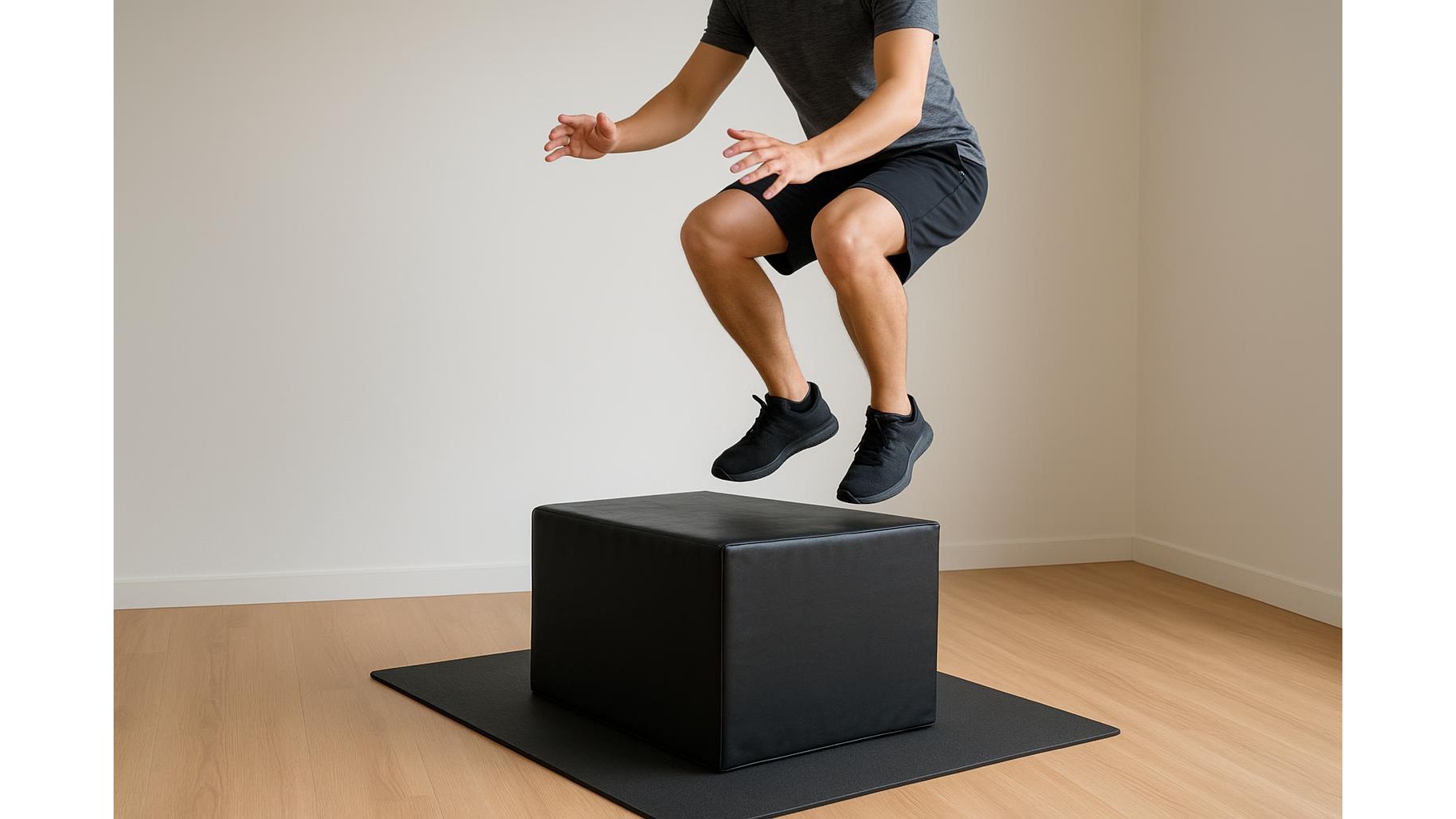
For most people training at home, space is the biggest limitation. A compact plyometric box offers a small footprint but a wide range of exercises: box jumps, lateral jumps, elevated push-ups and Bulgarian split squats. Smaller, well-designed boxes are easier to move, store and position away from walls or furniture, which is critical for safety when you’re jumping. Look for models that prioritise stability and grippy surfaces over sheer height so you can train power and reactivity confidently without turning your living room into an obstacle course.
Choosing the right materials and construction
The two main options for home use are foam plyo boxes and wooden boxes. High-density foam boxes wrapped in durable PVC or vinyl reduce impact on your joints and dramatically cut the risk of shin scrapes if you miss a jump. They’re also quieter, which matters in flats. Wooden boxes feel rock-solid and are often cheaper, but they’re noisier and harsher on impact. For tight spaces, favour rounded edges, anti-slip tops and non-marking bases to protect both your legs and your flooring. Whatever you choose, inspect seams, screws and panels regularly to ensure the box stays structurally sound under repeated landings.
Selecting height options for safe progression
Height is one of the most important variables for safe plyometric training at home. Beginners typically do best starting with a box around 20–30 cm, focusing on soft, controlled landings. Intermediate users can progress to 40–50 cm once technique is consistent. Compact, adjustable-height plyo boxes or 3-in-1 designs that can be turned to offer three different heights are ideal for home gyms, because they let multiple people train safely with one piece of kit. Always match the height to your skill level: it’s better to jump powerfully onto a lower box with perfect form than to chase an impressive height and risk a fall.
Key safety features and floor protection
Safe home power training starts with the surface you land on. Look for boxes with non-slip tops and rubberised or textured bases that won’t slide on laminate or tiles. Pair your box with an exercise mat or dedicated lifting tiles to cushion noise and shield your floors from impact and scuffs. Make sure there’s at least one full box length of clear space on all sides and avoid placing the box near sharp furniture edges. Before each session, check that the box is on a stable, flat surface and that the landing area is dry and debris-free; small details like this significantly reduce the risk of ankle rolls and awkward landings.
How to use compact plyo boxes for lower-body power
To get the most from your plyometric box workouts, think in terms of quality, not just quantity. Start each session with a thorough warm-up: joint mobility, light squats and low-intensity jumps. Then add 2–4 sets of low-rep box jumps, step-ups or lateral hops, resting sufficiently between sets to keep your jumps explosive. Focus on landing softly with knees slightly bent and hips back, absorbing force through the whole foot. In a compact home gym, you can build powerful circuits by pairing box jumps with strength moves like goblet squats or split squats using dumbbells, keeping your equipment list minimal while training both power and stability.
Choosing a compact plyometric box for your home gym comes down to balancing space, safety and training goals. Prioritise stable construction, sensible height options, non-slip surfaces and good floor protection over chasing the tallest box you can find. Used correctly, a single compact box can become the centrepiece of your home power training, helping you jump higher, move faster and build stronger legs without compromising on safety or damaging your floors.