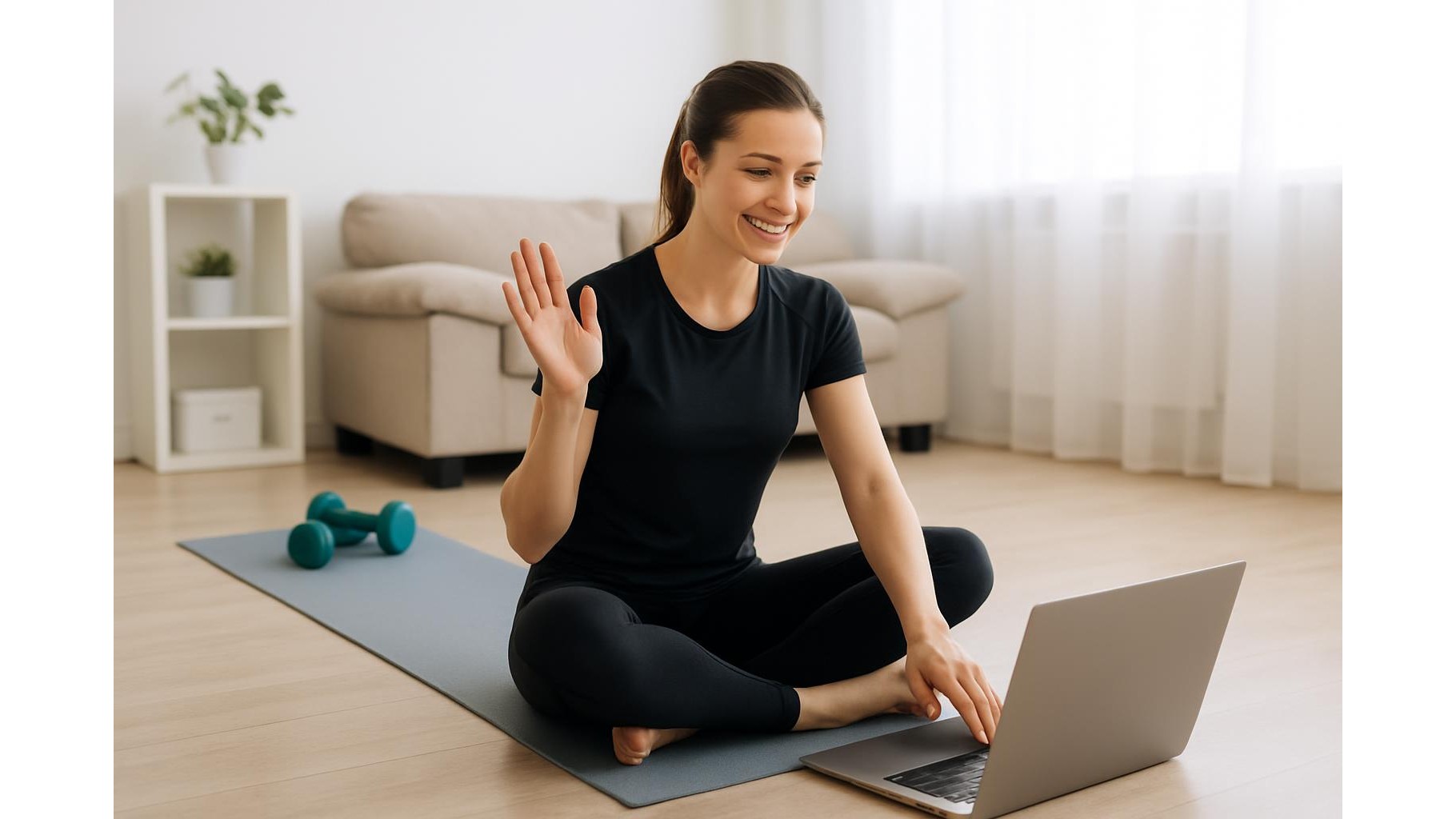
Working out at home has one awkward downside: finishing a tough session just minutes before a video call and realising your top is plastered to you with obvious sweat patches. The right home workout tops can bridge the gap between intense training and looking presentable on screen, using moisture‑wicking, quick‑drying fabrics and smart cuts that minimise marks and cling so you don’t have to change your whole outfit.
Choose moisture‑wicking fabrics, not cotton
The biggest upgrade you can make is switching from basic cotton T‑shirts to technical workout tops made from polyester, nylon or blended performance fibres. These fabrics are designed to pull sweat away from the skin and spread it across the surface so it evaporates faster, meaning fewer dark patches and less cling. Look for descriptions like “moisture wicking”, “quick drying” or “dry‑fit” and avoid heavy, thick cotton that soaks up sweat and stays wet. If you run hot or do HIIT at home, a lightweight knit or mesh panel on the back can help you cool down faster before you sit down at your desk.
Prioritise cut and colour to hide sweat marks
Even the best fabric can show sweat if the cut and colour are wrong. For video calls, focus on the upper chest, shoulders and underarms because that’s what your camera sees. Slightly looser, relaxed‑fit workout tops skim rather than cling, so damp areas are less obvious. Cap sleeves or raglan sleeves can reduce visible underarm marks compared with tight short sleeves. When it comes to colour, mid‑tones like charcoal, patterned prints or classic black tend to disguise sweat better than light grey or pale pastels. A simple rule: if you can see a water splash on the fabric, it will probably show sweat on camera.
Look for tops that hold their shape, not your sweat
Clingy fabric is another giveaway that you have just finished a tough workout. To minimise cling, choose workout tops with a bit of structure, such as slightly heavier knits or tops with double‑layer fronts that keep the fabric from moulding to every contour. A small amount of elastane (around 5%) is ideal: it gives stretch for burpees and presses but still allows the material to fall cleanly once you stop moving. Tops with side slits or a subtle high‑low hem can also help the fabric drape instead of sticking to your torso or waistband, so you look more put‑together when you jump on a call.
Plan for layering from mat to meeting
If you regularly move straight from home workouts to video calls, build a simple layering system. Wear a breathable, quick‑drying base layer for your training, then keep a very light, loose top or thin sweatshirt nearby to throw on while you cool down. This extra layer should be airy enough that it doesn’t trap heat but opaque and structured enough to hide any remaining damp patches underneath. A plain, neutral colour reads more like casual office wear than gym kit, especially if you add a simple accessory like small earrings or glasses. This approach lets you train hard without holding back for the sake of your next meeting.
Small details that make tops more video‑friendly
Beyond fabric and fit, small design choices can make your home workout tops more “camera‑ready”. Higher necklines, like crew or modest V‑necks, feel more polished than deep scoops when you’re on a call. Flat seams reduce chafing and also look tidier on screen. If you wear bright performance colours, keep patterns simple so they don’t distract on video. Finally, think about practicality: quick‑drying tops that you can wash and air dry between sessions are ideal when you train often and have multiple calls in a week, ensuring you always have a fresh, smart option ready.
With a bit of planning, you don’t need two separate wardrobes for training and meetings. By choosing moisture‑wicking, quick‑drying tops with smart cuts, sweat‑friendly colours and easy layering options, you can finish a tough session, towel off, add a light top if needed and open your laptop feeling cool, dry and confident rather than worrying about sweat marks and cling.