For home fitness enthusiasts, recovery often matters more than the workout itself. Sleep quality, muscle cramps and persistent fatigue can all be influenced by one key mineral: magnesium. Understanding the different forms of magnesium, when to take them and how to balance food and supplements helps you support performance without overdoing it.
What magnesium does for the home athlete
Magnesium is involved in more than 300 biochemical reactions, many of them essential for muscle function, energy production and nervous system regulation. If you train in your home gym several times a week, you are constantly asking your body to contract and relax muscles, manage lactic acid and calm the nervous system after intense sessions. Adequate magnesium helps reduce the risk of night-time cramps, supports normal muscle relaxation after heavy sets and may improve your ability to unwind for restorative sleep. While it is not a magic cure for every ache, borderline low levels can make post-workout soreness feel worse and recovery feel slower.
Forms of magnesium: which ones matter for sleep and cramps?
Not all magnesium supplements are the same. Common forms include magnesium citrate, often used for general supplementation and mild constipation; magnesium glycinate (or bisglycinate), usually well-tolerated and popular for sleep and relaxation; and magnesium oxide, which has a high elemental content but lower absorption, and is frequent in cheaper products. For home athletes looking to ease muscle cramps and support sleep quality, a chelated form like glycinate or citrate is usually preferred because it tends to be gentler on digestion and better absorbed. Always read the label to see the type of magnesium used, not only the total milligrams declared.
Food first: how to cover your magnesium needs naturally
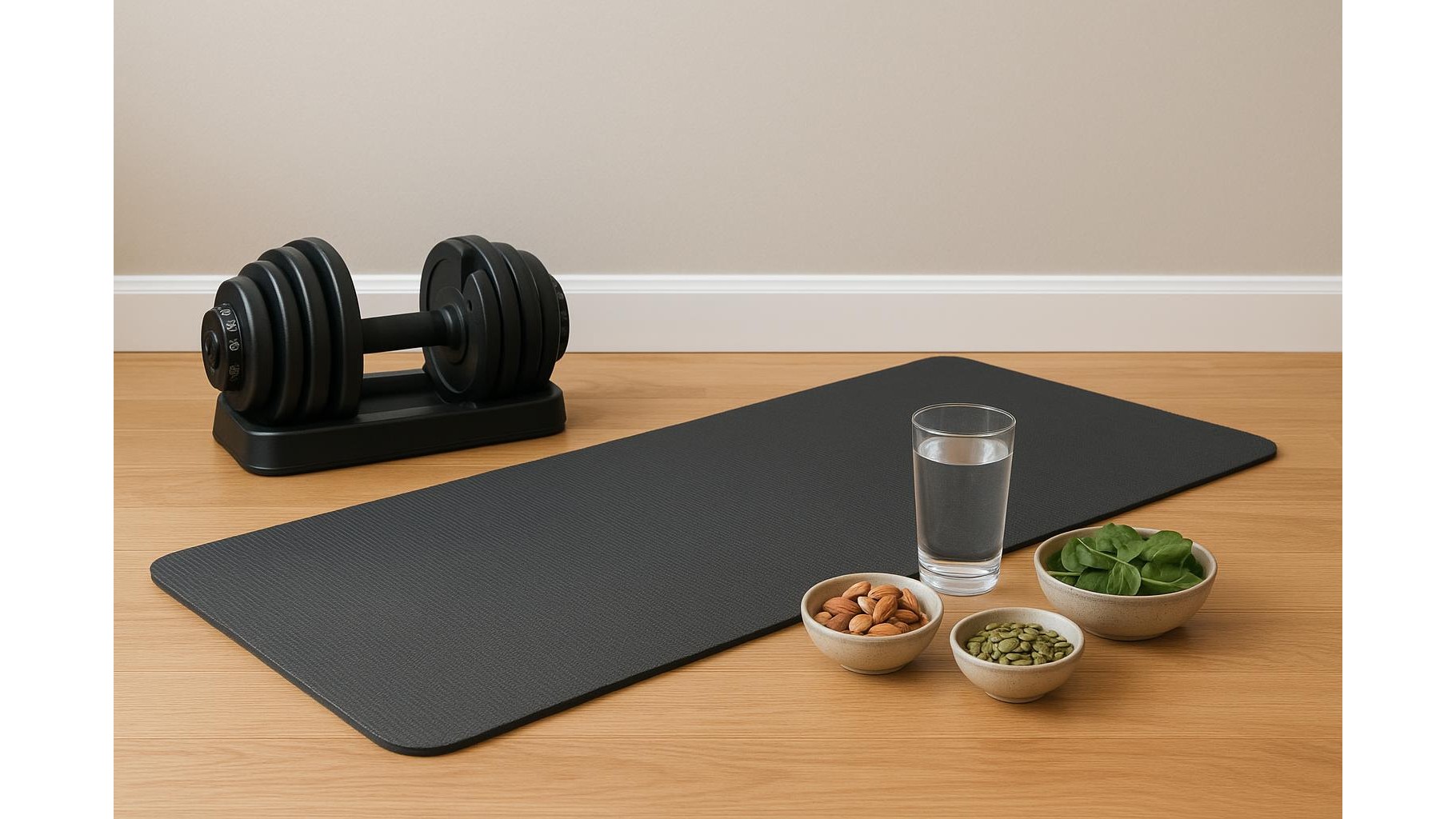
Before reaching for pills, build a diet rich in magnesium foods. Good sources include leafy greens such as spinach and kale, nuts and seeds like almonds, cashews and pumpkin seeds, whole grains (oats, brown rice, wholemeal bread), legumes such as lentils and black beans, and even dark chocolate with a high cocoa content. For a home lifter, a typical day might combine oats with seeds at breakfast, a salad with beans at lunch and a portion of whole grains and greens in the evening. This food-first approach provides not only magnesium, but also fibre, antioxidants and other minerals that support recovery and overall health.
Signs you might need more magnesium
Mild magnesium deficiency can be subtle. Home athletes may notice frequent muscle cramps, especially at night or after training, unexplained twitches (eyelids, calves), feeling “tired but wired” at bedtime, or more difficulty recovering from usual workouts. Some people also report increased irritability and trouble winding down after evening sessions. These signs are not specific to magnesium and can overlap with dehydration, low electrolytes or general fatigue, so they are not a diagnosis. If you consistently experience them, review your hydration, sleep habits and overall diet first. When in doubt, discuss symptoms and any plan to supplement with a healthcare professional, especially if you take medication or have existing health conditions.
Using magnesium supplements wisely in a home fitness routine
If diet alone is not enough, a moderate-dose magnesium supplement can be a useful tool. Many people respond well to 100–200 mg of elemental magnesium once a day, often taken in the evening to support relaxation. Higher doses should be approached cautiously, as they can cause digestive upset such as diarrhoea, particularly with forms like magnesium citrate and oxide. Start low, observe how your body reacts and avoid stacking multiple magnesium products (for example, a multivitamin plus a separate magnesium capsule plus a recovery drink) without checking the total amount. Combine supplementation with consistent sleep routines, hydration and smart programming in your home workouts to get the most benefit.
In summary, magnesium is a valuable ally for home fitness enthusiasts focused on performance, recovery and sleep quality. By prioritising magnesium-rich foods, recognising early signs that your intake might be low and using supplements in a measured, informed way, you can support muscles, nerves and rest without unnecessary megadoses. Balanced habits in the kitchen and in the home gym will always beat quick fixes, and magnesium works best as part of that bigger recovery picture.