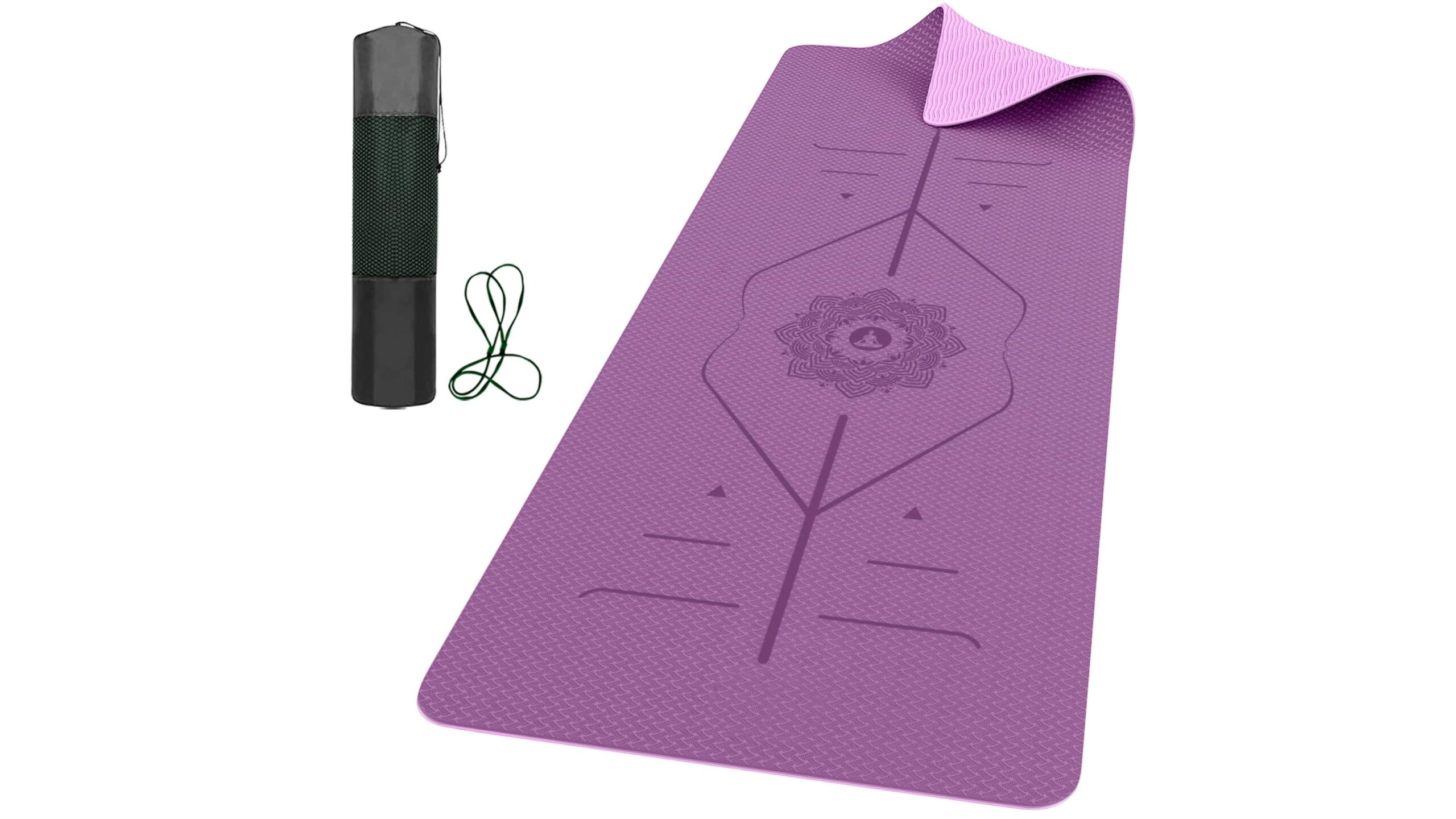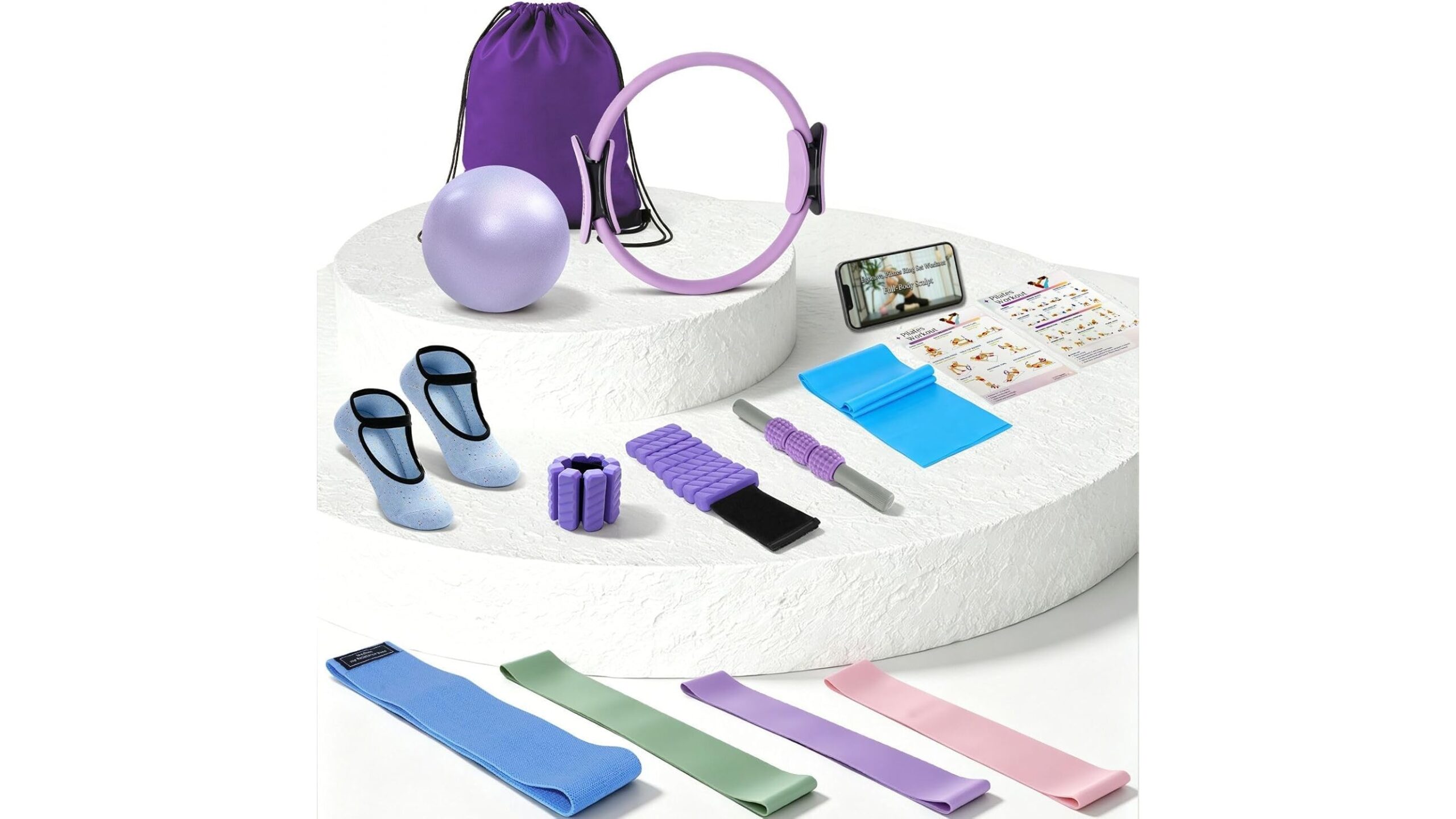
In a compact home gym, vertical space is your best friend. Choosing the right wall-mounted storage hooks and racks for your yoga mats, foam rollers and recovery tools keeps the floor clear, improves hygiene and makes your equipment easier to grab before every session. This guide walks you through what to look for in hooks and racks, how to match them to your gear and where to place them so your home gym stays tidy and efficient.
Table of contents
Understand your gear and available wall space
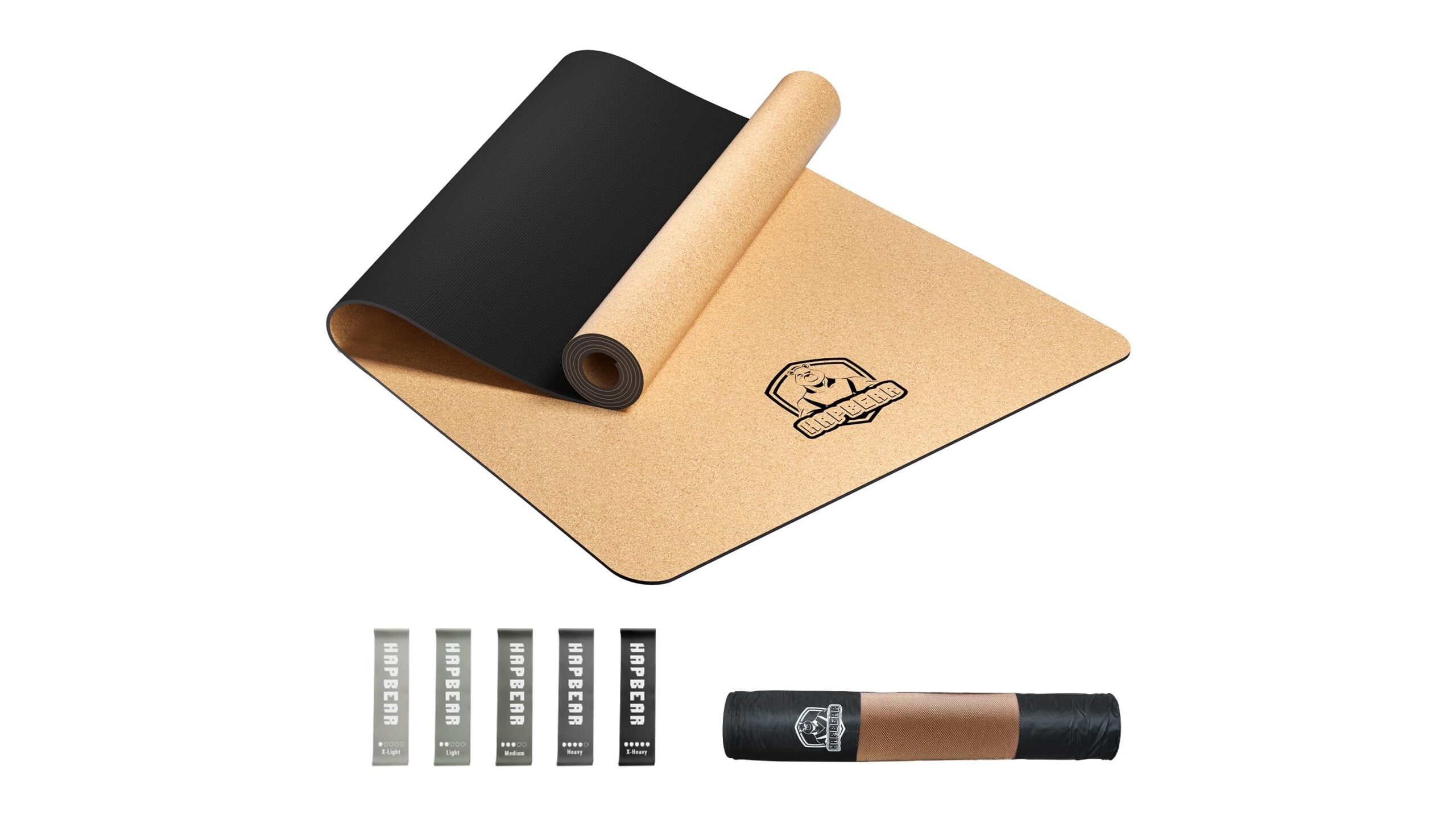
Before buying any wall-mounted rack, take stock of what you need to store: thick or thin yoga mats, long or short foam rollers, massage sticks, resistance bands or skipping ropes. Measure the length of your longest roller and the width of your bulkiest mat when rolled, then check how much clear wall space you actually have once doors, windows and radiators are excluded. This will tell you whether you need a wide multi-tier rack or a slim hook system. Leave enough clearance above and below the rack so you can remove and replace items without knocking into bikes, benches or squat racks.
Key features to look for in wall-mounted hooks and racks
Quality wall hooks for gym storage should be made from strong, rust-resistant materials such as powder-coated steel or heavy-duty aluminium. Prioritise products that include proper wall anchors and screws rated for brick, concrete or wood studs, as this ensures your home gym storage stays secure over time. Look for rounded or padded arms that will not dig into foam or compress yoga mats, and check the maximum load rating per hook. Adjustable or modular designs are ideal if you plan to expand your collection of rollers and recovery tools in future, letting you reconfigure the layout without reinstalling an entirely new system.
Prioritise hygiene and airflow for mats and foam rollers
Good wall-mounted storage does more than tidy your space; it also helps keep equipment clean. Choose open designs that allow air to circulate freely around foam rollers and yoga mats so sweat can evaporate quickly, reducing odours and bacterial growth. Avoid racks that squash gear tightly against the wall or stack multiple mats directly on top of one another. Instead, opt for separate prongs, rails or hooks so each item hangs or rests individually. Position racks away from direct sunlight, which can degrade foam over time, and leave a small gap between the wall and roller to prevent trapped moisture after cleaning.
Planning installation and safety in your home gym
Safe installation is essential when mounting any gym storage hooks. Always locate studs or use suitable masonry anchors according to the manufacturer’s instructions, especially if you are storing multiple heavy rollers and recovery tools. Keep racks at a height where you can comfortably lift mats and rollers without straining your shoulders, typically between chest and eye level. In multi-use spaces or garages, avoid placing hooks where doors swing open or where children might climb on them. If you are renting, consider using smaller hook systems that require fewer holes, and check that the supplied fixings match your wall type before drilling.
Organising different recovery tools on hooks and racks
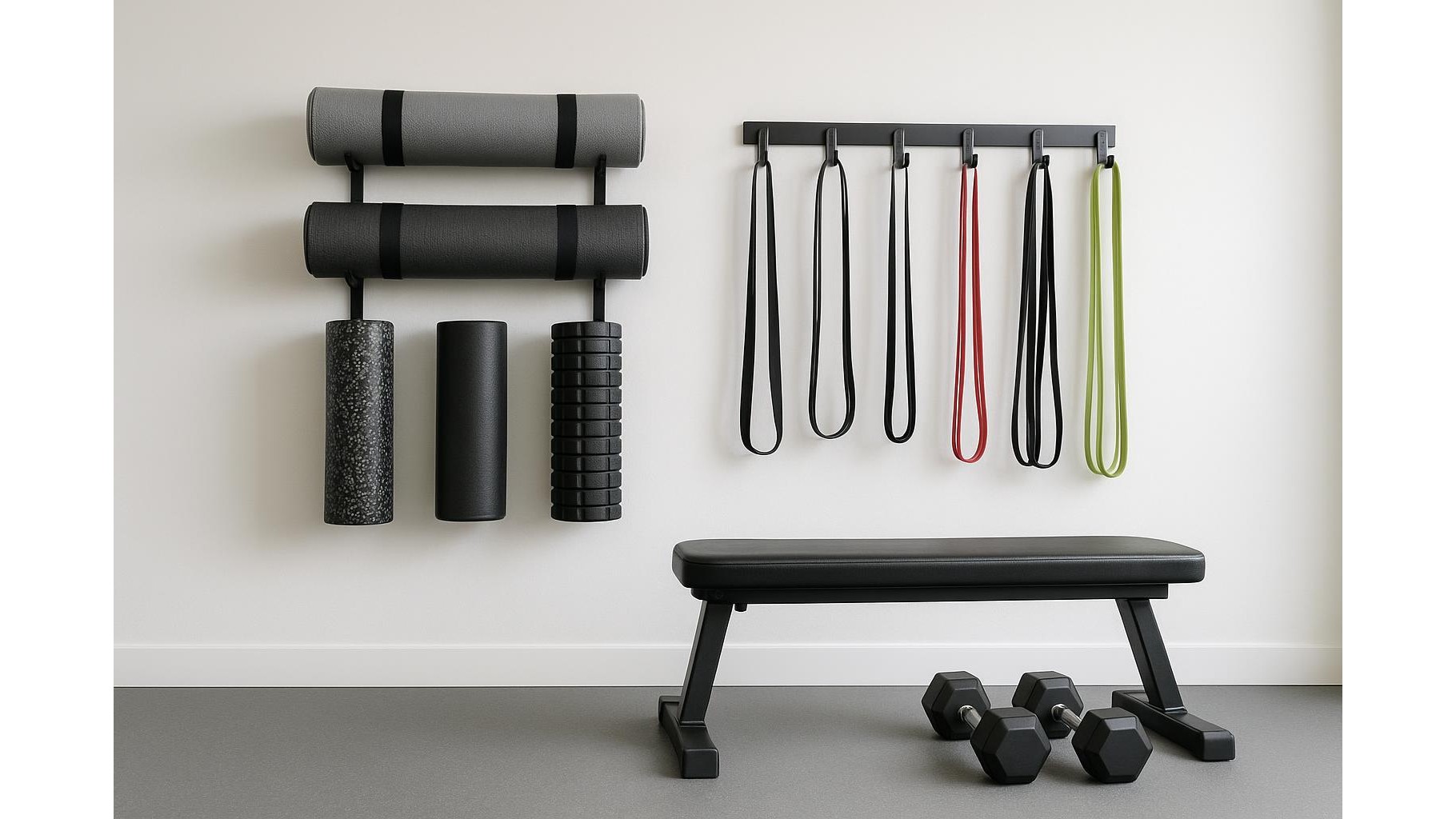
Once your wall storage system is installed, organise it so everything has a clear, logical place. Dedicate wider hooks or shelves for bulky foam rollers, slimmer pegs for yoga mats, and smaller hooks for accessories such as massage balls, skipping ropes and resistance bands. Group items by function: mobility on one level, strength accessories on another. This not only speeds up your warm-up routine but also makes it obvious when something is missing or needs replacing. Labelling hooks or arranging items by workout frequency can make your home gym feel more like a professional studio and encourage you to stick to consistent recovery habits.
Choosing the right wall-mounted storage hooks for your yoga mats and foam rollers is about more than looks. By measuring your gear, focusing on strong materials and safe fixings, and prioritising airflow and smart organisation, you can create a home gym that is tidy, hygienic and easy to use. A considered storage setup keeps your recovery tools visible and within reach, so you are more likely to use them regularly and get the most from every workout.