Training at home makes nutrition feel refreshingly simple, but carb timing can still make a real difference to your energy, performance and recovery. You do not need strict meal plans or a sports science degree: a few basic rules about when to eat everyday carbohydrates around your indoor workouts can help you lose fat, build muscle or simply get more out of limited training time. This guide breaks down practical, evidence‑based strategies plus plug‑and‑play snack ideas you can use in any busy schedule.
Why simple carb timing matters for home training
Carbohydrates are your body’s preferred fuel for moderate to hard training. When you lift, ride a spin bike or follow a HIIT video in your living room, your muscles rely heavily on stored glycogen. If those stores are low, workouts feel sluggish and technique breaks down. Well‑timed carbs before and after sessions help you (1) train harder, (2) keep recovery on track and (3) still manage total calorie intake for fat loss or muscle gain. Think of it this way: instead of grazing on random snacks all day, you “budget” most of your carbs in the 3–4 hours around training, when your body uses them best.
Pre‑workout carbs: how much and how close
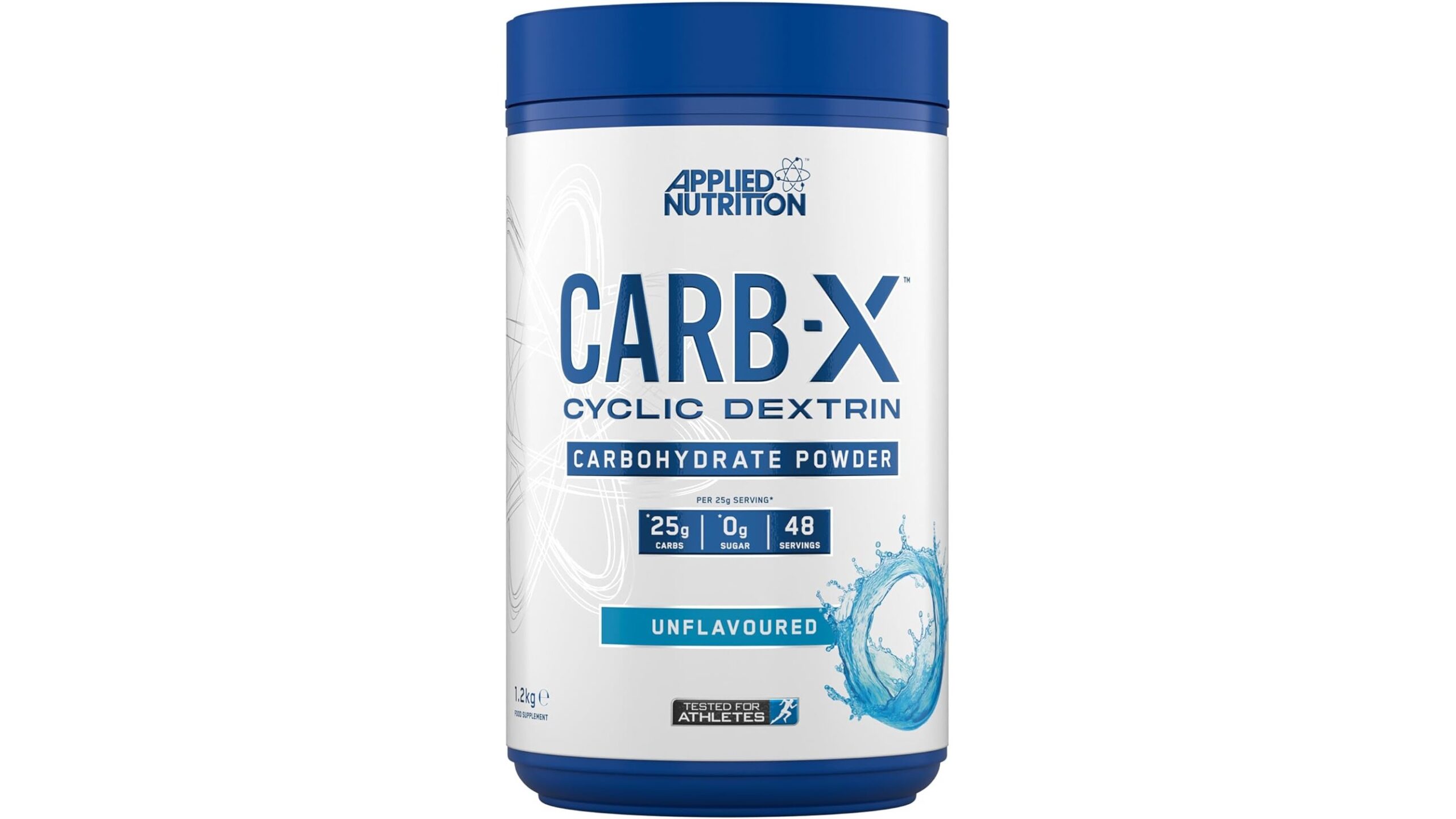
For home athletes, a simple rule works well: have a small, easily digested carb source 60–90 minutes before any session that lasts over 30 minutes or feels moderately hard. Aim for roughly 0.5 g of carbs per kg of bodyweight (about 30–40 g for many people). That might be a bowl of oats with fruit, toast with honey, or a banana and yoghurt. If you train very early and cannot face food, a light drink can help. A specialised powder such as Applied Nutrition Carb X Highly Branched Cyclic Dextrin provides around 24 g of highly soluble carbohydrates per serving, with 0 g fat and no sugar, designed for quick gastric emptying and minimal stomach discomfort, making it ideal before or even during a session.
Intra‑workout carbs for longer or tougher sessions
If your indoor workouts run over 60 minutes or include tough intervals (for example, a long turbo trainer ride or back‑to‑back strength and conditioning), a small amount of intra‑workout carbs can maintain power and focus. Again, simple is best: 20–30 g of fast carbs per hour is enough for most home athletes. Mix one scoop of Carb X Highly Branched Cyclic Dextrin in a large bottle of water to sip throughout your training. Reviews highlight its easy digestibility, vegan and gluten‑free formula and the fact it does not cause GI distress, which is key when you are working hard in a small space without easy bathroom access.
Post‑workout carbs and electrolytes for recovery
After training, your priority is to replenish glycogen and re‑hydrate. Within 1–2 hours, combine 20–40 g of protein with 30–60 g of carbs. That could be chicken and rice, eggs on toast or Greek yoghurt with fruit and cereal. If your session was sweaty or lasted over an hour, adding electrolytes speeds up fluid replacement. A product like Endurance Energy Drink Powder High in Carbohydrates and Electrolytes delivers about 48 g of carbs plus 300 mg electrolytes per serving. It is designed to be easily digestible, vegan‑friendly and tested for athletes, and can double as either a post‑workout recovery drink or part of a carb‑loading strategy before longer events.
Adapting carb timing for fat loss vs muscle gain
The basic timing rules stay the same whether your goal is fat loss or muscle gain; what changes is total daily carbs. For fat loss, keep most of your starchy carbs (rice, pasta, bread, sports drinks) in the meal before and after training, and emphasise vegetables and lean protein at other meals. This keeps energy high where you need it while supporting a calorie deficit. For muscle gain, add an extra carb‑rich snack either 1–2 hours pre‑workout or in the evening, and slightly increase your post‑workout portion. In both cases, home‑friendly options like Carb X or the Endurance Energy Drink Powder make it easy to “top up” carbs precisely, without cooking a full meal.
Carb timing for home athletes does not need to be complicated. Focus on a modest dose of easily digested carbs before training, optional sips during longer sessions, and a balanced carb‑plus‑protein meal or drink afterwards. Everyday foods will cover most needs, while smart supplements such as Applied Nutrition Carb X and Endurance Energy Drink Powder can simplify fuelling and hydration on busy days. Start with these simple guidelines, adjust based on how you feel in your indoor sessions, and you will quickly find a carb routine that supports your body composition and performance goals.