Mini stair climbers are a compact way to get low-impact cardio at home without dedicating an entire room to equipment. Used correctly, these portable machines can raise your heart rate, strengthen legs and glutes, and fit into even the busiest schedule. The key is learning how to structure your sessions: how long to train, which intensity zones to target, and how to protect your knees and ankles while you chase a real calorie burn.
Why mini stair climbers are ideal for home cardio
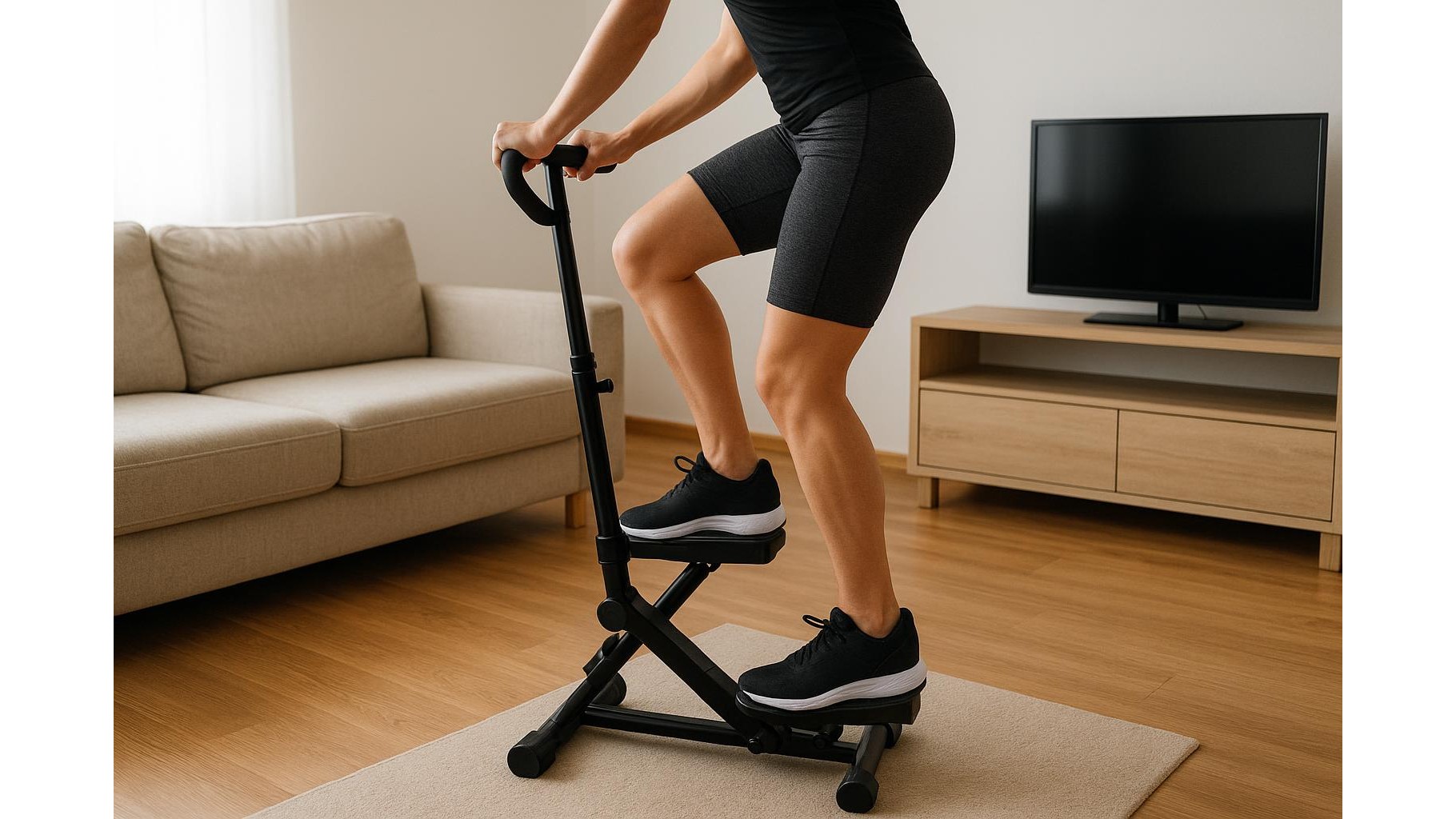
A mini stair climber or stepper is essentially a compact pair of pedals with hydraulic or magnetic resistance that mimics climbing stairs. Unlike a full-size step machine, it can slide under a desk or bed, making it perfect for small homes. The up-and-down stepping motion loads the quads, hamstrings, glutes and calves while keeping impact lower than jogging. Because many models are quiet and require no power, you can use them while watching TV or on a break from working at home, turning otherwise sedentary time into structured cardio training.
How long should a mini stair climber workout last?
For meaningful cardio benefits, aim for at least 20 minutes of continuous stepping, building toward 30–40 minutes as your fitness improves. Beginners can start with interval blocks: 5 minutes of stepping followed by 1–2 minutes of easy marching on the spot, repeated 3–4 times. Intermediate users can target 25–30 minutes at a steady, moderate pace most days of the week. If you prefer shorter sessions, you can accumulate volume with two 15-minute workouts—morning and evening—on your mini climber to reach your daily cardio goal without feeling overwhelmed.
Using heart-rate and RPE zones to actually burn
To ensure your mini stair sessions actually burn calories and improve endurance, work with intensity zones. If you use a heart-rate monitor, steady-state fat-burning cardio usually sits around 60–70% of your max heart rate, while more challenging conditioning climbs toward 75–85%. Without tech, rely on the RPE scale (Rate of Perceived Exertion) from 1 to 10. Easy warm-ups feel like 3–4/10, conversational but active. Your main working sets should usually sit around 6–7/10: breathing deeper, conversation in short phrases. Short 30–60 second pushes can rise to 8–9/10 to spike heart rate and boost metabolic demand, followed by easier recovery stepping.
Protecting knees and ankles with better form
Because mini stair climbers put repeated load through the knee and ankle joints, form matters. Keep your feet flat on the pedals and avoid pressing only through the toes; this distributes pressure across the whole foot and reduces Achilles strain. Maintain a slight bend in the knees at all times—never lock out at the top of the step. Engage your core muscles and keep your torso tall instead of leaning on a support or twisting through the hips. If you have sensitive knees, shorten the step depth and slow the pace until you can step without discomfort. Always begin with 3–5 minutes of very light stepping to warm the joints and finish with gentle calf, quad and hip flexor stretches to keep tissues supple.
Example mini stair climber workouts by fitness level
For beginners, try: 5 minutes easy warm-up, then 6 x 2 minutes at moderate pace (RPE 6/10) with 1 minute very easy stepping between, finishing with 3–5 minutes cool-down. For intermediate users: 5 minutes warm-up, 20 minutes continuous stepping at steady moderate intensity (RPE 6–7/10), plus 5 minutes cool-down. Advanced users can try intervals: 5 minutes easy, then 10 rounds of 1 minute hard (RPE 8–9/10) and 1 minute easy, followed by 5 minutes light stepping. These structures ensure you hit both aerobic conditioning and higher-intensity bursts for greater calorie burn without needing complex programming.
Fitting low-impact stair sessions into your routine
To get the most from a mini stair climber, treat it as a planned part of your weekly home fitness routine rather than an occasional extra. Aim for 3–5 sessions per week, alternating between steady-state days and interval-focused days so your legs and joints can recover. You can pair shorter stair sessions with light strength training for the upper body or core on the same day, or use the climber as a quick, low-impact finisher after bodyweight workouts. With consistent use, thoughtful pacing, and attention to joint-friendly form, a mini stair climber can deliver serious cardio results in a tiny space—proving that low-impact doesn’t have to mean low-intensity.
In summary, mini stair climbers offer a simple way to build cardiovascular fitness, strengthen the lower body and burn calories without punishing your joints. Focus on structured session length, clear intensity zones and safe technique, then progress from beginner intervals to longer steady sessions or intervals as your conditioning grows. With just a few square feet of floor space and a commitment to consistency, your home stair workouts can become a powerful, sustainable part of your training plan.