Training at home makes it easier to stay consistent, but choosing between interval running and steady walking on your treadmill or walking pad can be confusing. Both styles can support fat loss, protect your joints and boost motivation, but they work in slightly different ways. Understanding how to use these machines intelligently helps you burn more calories, avoid injury and actually enjoy your home cardio routine.
How treadmill intervals boost calorie burn
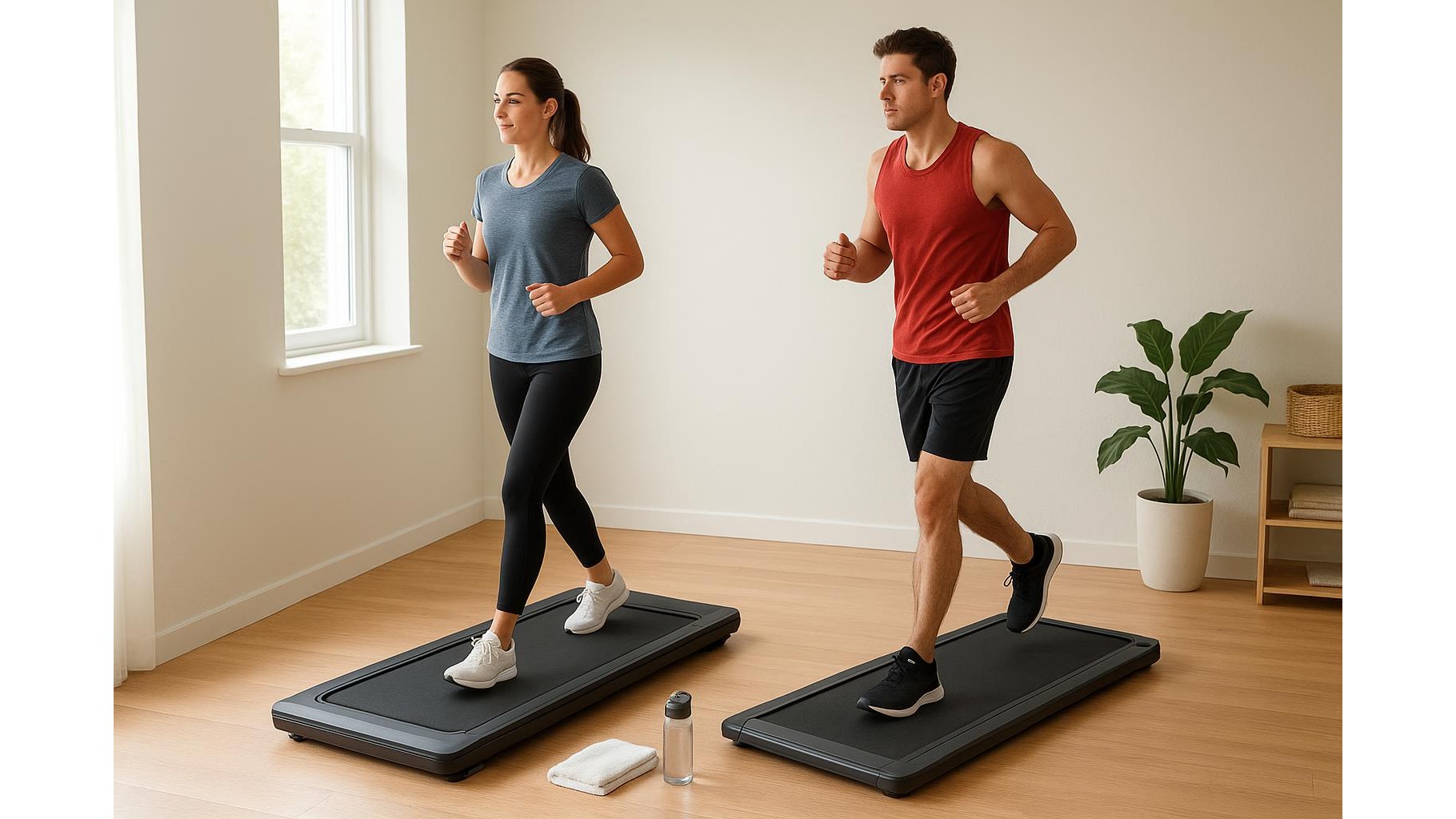
Interval running means alternating short bursts of faster running with easier recovery phases. On a home treadmill, this could look like 1 minute of brisk running followed by 2 minutes of slow walking, repeated for 20–25 minutes. The higher intensity increases your heart rate and raises your total energy expenditure, and you benefit from a mild post‑exercise calorie burn as your body recovers. For many people with limited time, these structured intervals are an efficient way to improve cardiovascular fitness and support weight loss, as long as joints and technique can handle the impact.
[p iol_placeholder type=”cta” id=”telegram”/]
Why steady walks on a walking pad are joint‑friendly
Steady walking workouts on a walking pad or treadmill use lower impact and are easier on the knees, hips and lower back. You simply choose a comfortable speed and maintain it for 30–45 minutes. While the intensity is lower than intervals, the key advantage is sustainability: you can often walk longer and more frequently without needing extra recovery days. This steady approach is ideal for beginners, people returning from injury, or anyone with joint sensitivity who still wants to create a meaningful daily calorie deficit through movement.
Combining intervals and walking for better fat loss
You do not have to choose between being a runner or a walker; a mix of interval sessions and steady walks often works best for fat loss. For example, you might complete 2 short interval workouts per week on your treadmill and 2–3 longer, easy walks on your walking pad. Intervals challenge your cardio system and help maintain muscle mass, while steady walks add extra daily activity without overwhelming your joints. This combination increases total weekly volume and keeps your routine mentally fresh, which matters more for results than chasing the perfect single workout.
How to choose the right home cardio style for your body
Your ideal home cardio plan should consider your fitness level, injury history, schedule and preferences. If you are a beginner, start with steady walking and gradually introduce short intervals, such as 30 seconds of faster pace followed by 90 seconds easy. If you are more experienced and have healthy joints, you can increase the number and length of intervals while still respecting recovery. For those with chronic joint issues, prioritise low‑impact walking and gentle incline instead of speed. Listening to your body, adjusting intensity over time and focusing on consistency will matter more than any single training protocol.
Practical tips for using treadmills and walking pads at home
To make home treadmill and walking pad sessions effective, treat them like real appointments: schedule them, warm up for 5 minutes, and cool down after each workout. Keep the speed slightly challenging but sustainable for steady walks, and test interval speeds carefully so you can run with good form. Consider placing the machine in a bright, ventilated space and use music, podcasts or TV to make the time more enjoyable. Pair your cardio with a moderate calorie‑controlled diet and basic strength training so that fat loss comes from body fat rather than muscle. Over time, track how you feel and adjust either the number of intervals or total walking time to keep progressing.
In summary, interval running and steady walking on home treadmills and walking pads are both powerful tools for fat loss when used consistently. Intervals save time and build fitness but demand more from your joints, while steady walking is gentler and easier to repeat daily. By combining the two according to your experience, lifestyle and comfort, you can build a flexible home cardio routine that burns calories, protects your body and keeps you motivated long term.