Building a reliable home gym outfit that works for both heavy strength training and yoga or mobility is all about balancing muscle-supporting compression with easy freedom of movement. The right fabrics, fits and layers let you move from squats to sun salutations without changing clothes, supporting your joints during lifts while allowing deep stretches on the mat. Here is how to put together smart, versatile looks for different body types and training styles.
Choose fabrics that support and breathe
For hybrid strength-plus-yoga days, look for leggings or shorts made from a blend of nylon (or polyester) with elastane. This combination offers enough compression for lifting while stretching smoothly through hip openers and twists. Prioritise moisture‑wicking, quick‑dry fabrics so you do not feel damp when you move from sweaty sets of deadlifts into a calm cooldown flow. Avoid very thick, brushed materials that feel great for winter but can overheat you in longer mobility sessions. Instead, focus on medium‑weight, four‑way stretch fabrics with flat seams that will not dig in during deep lunges or seated poses. If you run hot, mesh panels behind the knees or along the calves can add airflow without sacrificing support.
Dial in compression levels for strength and stretch
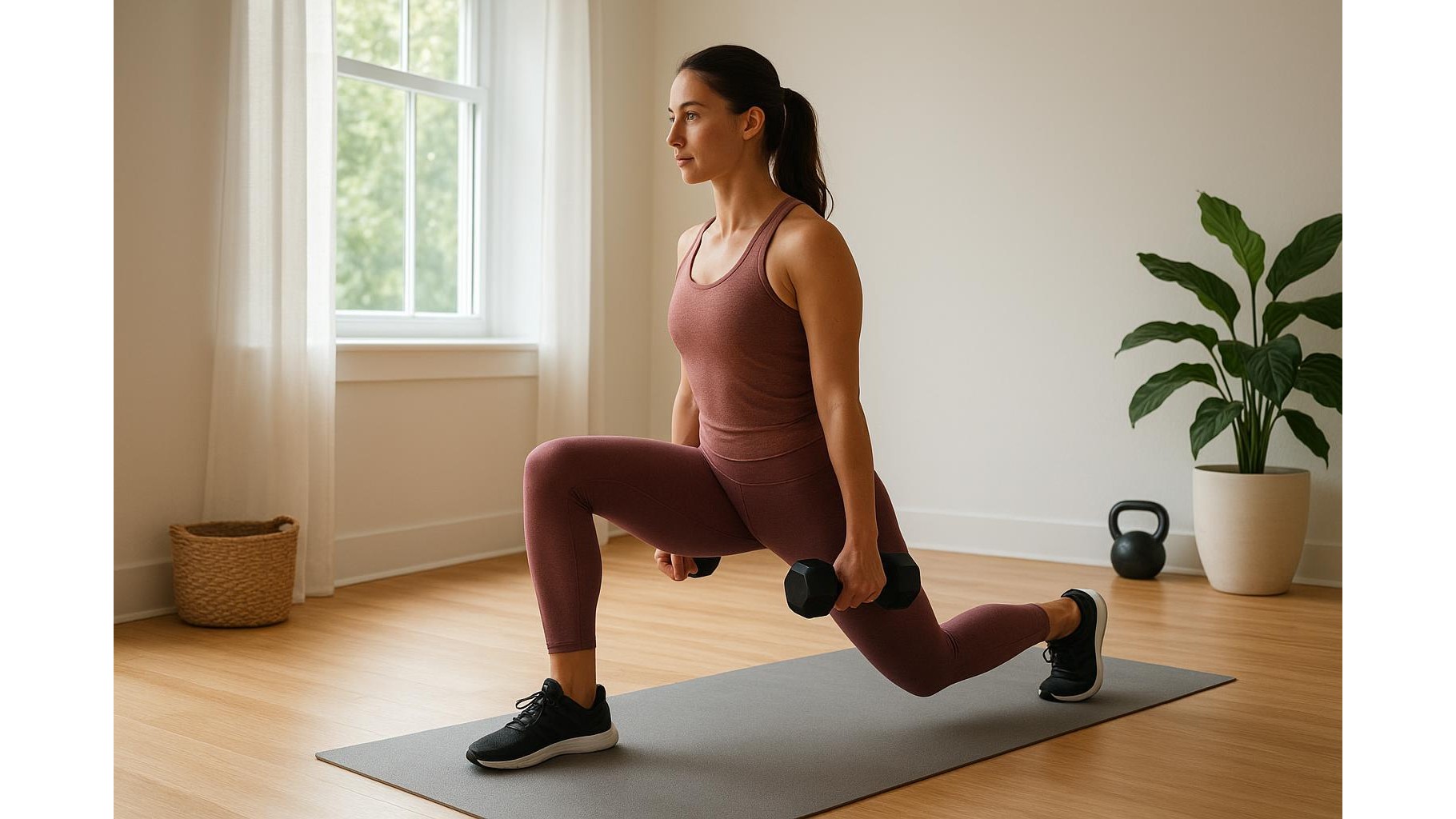
Compression is your friend for heavy lifting, but too much can restrict your range of motion in yoga. Aim for a medium compression bottom: snug enough around the waist and thighs to reduce muscle vibration during squats, but still pliable at the hips for poses like pigeon or warrior II. If you are doing max‑effort barbell work, you may want slightly firmer compression through the quads and glutes and a soft, wide waistband that does not roll when you brace your core. For yoga‑focused days with just a bit of strength work, lighter compression gives a more relaxed feel. The sweet spot for most home athletes is a legging or short that you can comfortably wear for at least an hour: if you feel pinching behind the knees or at the waistband when you sit on the floor, the compression is too high.
Fit tips for different body types
Body type matters when selecting an outfit that works in both the rack and on the mat. If you are curvy with fuller hips or glutes, look for high‑rise leggings with a deep, double‑layer waistband and a bit more stretch in the hip area so the fabric does not go sheer in deep squats or forward folds. Those with a straighter build often prefer mid‑rise or gently contoured waistbands to prevent gaping during overhead presses or downward dog. For taller athletes, prioritise inseam length so leggings do not ride up your calves in lunges; for petite frames, 7/8 or cropped cuts avoid bunching at the ankle. Across all body types, avoid overly long drawcords and bulky pockets, which can dig into your abdomen during core work or when lying supine on the mat.
Layering tops for strength plus yoga flow
Your top half needs a balance of support and freedom as you move from presses to planks. Start with a sports bra that matches your impact level: higher support and wider straps for heavier lifters, lighter support and softer bands for yoga‑dominant routines. On top, choose a lightweight tank or fitted T‑shirt that will not fall over your face during downward dog or inversions. Racerback cuts free your shoulders for overhead lifts, while slightly looser fits around the torso keep you comfortable in twists and seated poses. For cooler home gyms, add a thin, stretchy long‑sleeve layer you can easily peel off after your warm‑up. Prioritise tops without hard logos or seams at the upper back, so you can lie flat on the bench or floor without pressure points.
Colour, confidence and practical details
Since you are training at home, your gym outfit can also boost motivation. Dark, squat‑proof colours like black, navy or deep green are practical for heavy lifting, hiding sweat and providing coverage in deep bends. If bold shades make you feel energised for yoga flow, try colour‑blocking: darker panels across glutes and thighs with brighter tones at the calves or waist. Pay attention to small but important details: flatlock seams to prevent chafing in high‑movement areas; gusseted crotches for comfort in wide stances; and minimal metal or plastic hardware so nothing presses into your skin during floor work. For home‑gym efficiency, choose outfits that wash well, dry quickly and keep their stretch, so you can rotate the same reliable pieces between strength sessions and yoga days.
Balancing compression and freedom in your home gym outfits means choosing smart fabrics, a compression level that supports without squeezing, fits tailored to your body type, and layers that move easily from lifts to lunges. With just a few well‑selected pieces, you can build a small, hard‑working wardrobe that keeps you confident under the barbell and relaxed on the yoga mat, making every hybrid workout session smoother and more enjoyable.