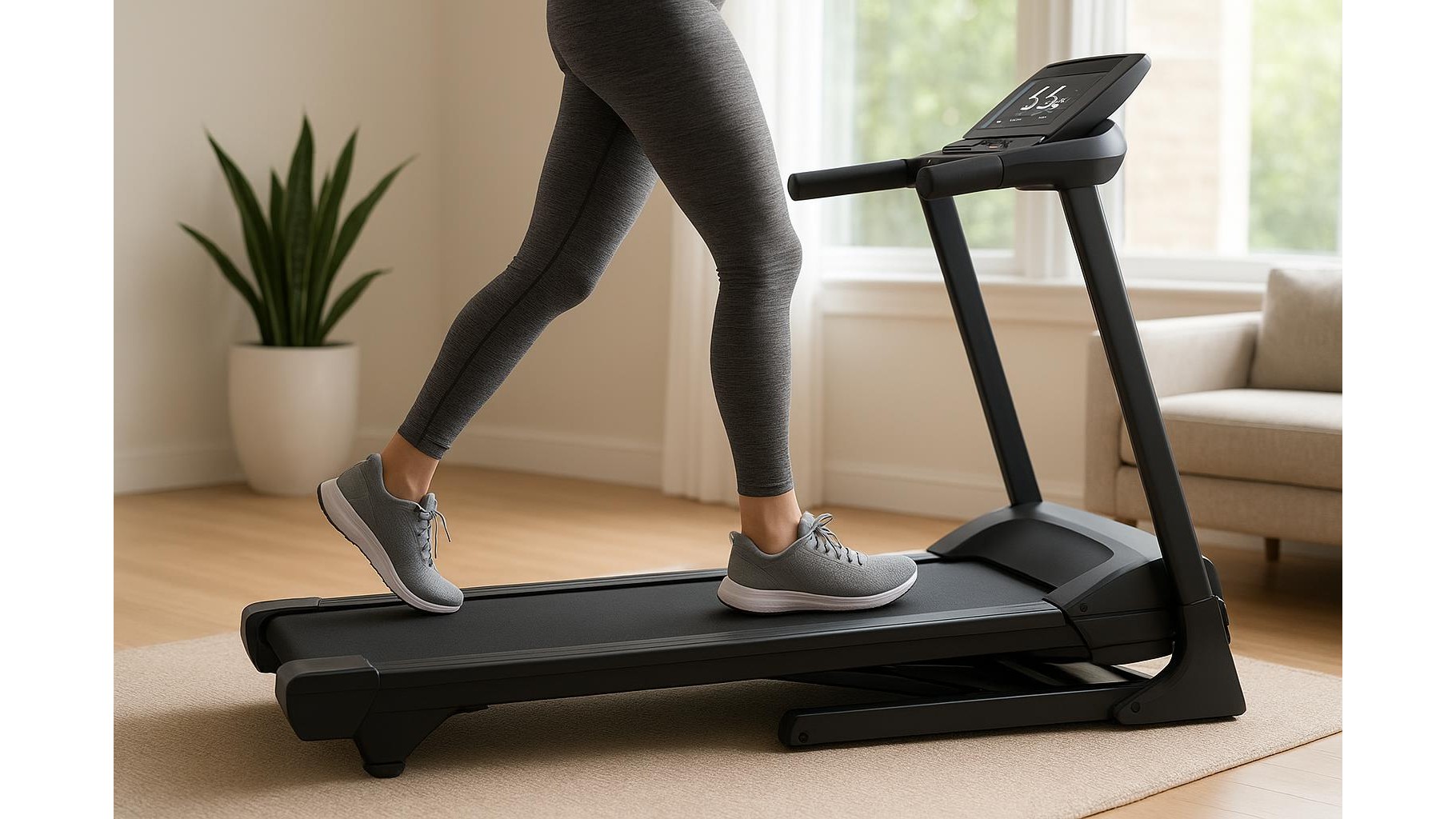
Incline walking at home is one of the most effective ways to turn a simple treadmill session into a serious fat-burning and cardio-friendly workout. By walking uphill instead of always staying on a flat belt, you can increase calorie burn, build lower-body strength, and reduce impact on your joints compared with running. With the right home treadmill and a smart progression plan, you can transform your daily walk into a structured training routine that fits into even the busiest schedule.
Why incline walking beats flat walking
Adding just a few degrees of incline can significantly boost your calorie expenditure while keeping speed comfortable. Walking at 3–4 km/h on a 6–10% incline makes your glutes, hamstrings and calves work harder, raising your heart rate into a moderate to vigorous zone without the joint pounding that comes from running. This makes incline treadmill walking ideal for users who are overweight, returning from injury, or simply prefer low-impact cardio. It also mimics outdoor hill walking, so you build real-world endurance while staying safely indoors.
How incline protects your joints while challenging your heart
Unlike running, which involves repetitive impact and higher peak forces on the knees, brisk walking on an incline keeps at least one foot in contact with the belt at all times. This reduces stress on knees, hips and lower back, making it a smarter option for beginners and older users. At the same time, the incline forces your cardiovascular system to work harder, improving aerobic capacity and heart health. Focusing on short, controlled sessions of 20–30 minutes at a moderate incline lets you get the benefits of intense cardio with a far lower risk of overuse injuries or joint flare-ups.
Choosing a home treadmill that supports incline walking
To get the most from incline training, look for a treadmill that offers a wide range of incline levels, stable construction and easy controls. A good home model should provide at least 10–12% incline so you can progress beyond beginner hills and continue challenging your muscles. A solid frame and comfortable deck cushioning will make uphill walking more pleasant on your feet and joints, while clear console controls and safety features such as emergency stop clips keep your sessions safer. Ideally, your treadmill should also fold away if space is limited, so you can maintain a consistent home gym routine without sacrificing your living area.
Sample weekly progression for fat loss and fitness
To turn incline walking into a structured fat-burning program, start with realistic sessions and increase difficulty gradually. In week 1, try 3 sessions of 20 minutes at 3 km/h with 2–4% incline, focusing on posture and breathing. In weeks 2–3, build toward 4 sessions of 25 minutes at 3–4 km/h and 5–7% incline, using short 1–2 minute flat segments to recover if needed. By weeks 4–6, your goal can be 4–5 sessions of 30 minutes with most of the time between 6–10% incline, where your breathing is challenged but you can still hold short conversations. This slow, steady progression supports sustainable weight loss without burning you out.
Technique tips for safer and more effective incline walking
Good walking technique is crucial when the belt tilts upward. Keep your chest open, eyes forward and shoulders relaxed instead of leaning heavily on the console. Aim to keep your hands free rather than gripping the handrails, so that your core and hip stabilisers engage properly. Take slightly shorter steps on steeper inclines to avoid overstretching your hips and hamstrings, and focus on a strong push-off through the midfoot rather than slamming your heels. Start every session with 3–5 minutes of gentle flat walking and finish with a gradual cool-down, then add light calf and hamstring stretches to keep your muscles supple.
Putting it all together in your home gym routine
By combining a capable home treadmill, smart incline programming and solid technique, you can build a routine that boosts cardiovascular fitness, supports fat loss and respects your joints. Treat incline walking like any other training plan: schedule your sessions, track your progress, and increase difficulty slowly. Whether you are just beginning your fitness journey or looking for a low-impact alternative to running, consistent incline walking at home can become a powerful, sustainable tool for transforming your health and body composition.