
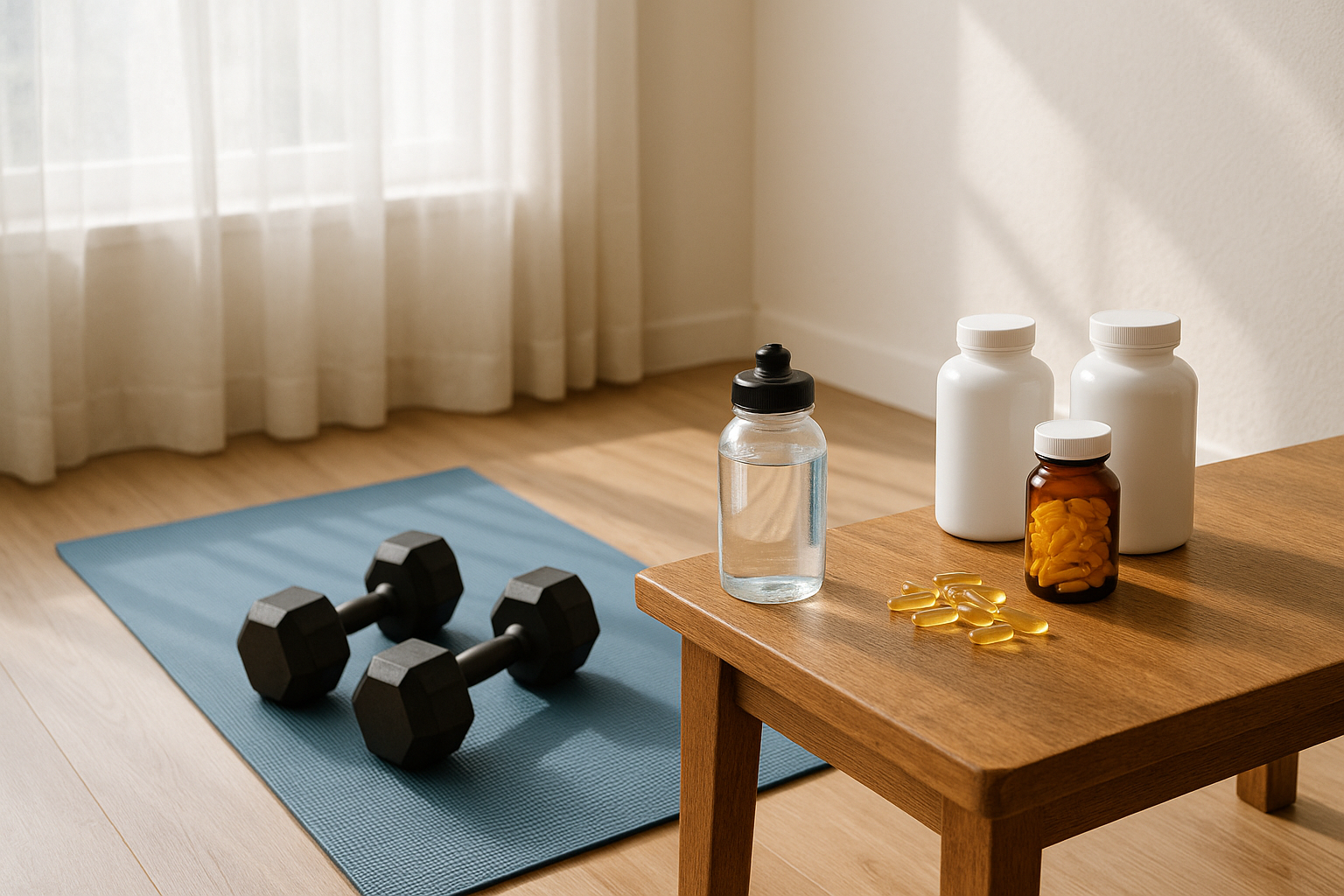
Training consistently in your home gym puts real demands on your body, even if you are not a professional athlete. It is tempting to reach for a daily multivitamin and high-strength omega-3 as a shortcut to better performance and faster recovery. But supplements are tools, not magic bullets. Understanding when they actually help, how to choose quality products, and how to combine them with a balanced diet is essential if you want to support health and results without wasting money.
When multivitamins make sense for home athletes
For most people training at home three to five times per week, a perfect diet every single day is unrealistic. A broad-spectrum multivitamin can act as a nutritional safety net if you often eat in a rush, diet for fat loss, or exclude whole food groups. Typical weak spots are vitamin D (especially in winter), B vitamins if you eat very little animal protein, and minerals like magnesium and zinc that are lost through sweat. A well-formulated multivitamin will not turn a poor diet into a good one, but it can help fill small gaps so your energy, immunity and recovery do not suffer during regular home workouts.
How to choose a quality multivitamin
When you compare multivitamins, avoid products that promise extreme doses or dozens of exotic ingredients. A better approach is a product that sticks close to 100% of the standard daily values for most vitamins and minerals and uses well-absorbed forms such as methylcobalamin for B12 or citrate/bisglycinate forms for minerals instead of cheap oxides. Check the label for clear dosages, minimal fillers and independent quality testing. Many reputable products now highlight GMP (Good Manufacturing Practice) standards and third-party checks for contaminants. If you take other fortified foods, like protein powders with added vitamins, be careful not to double up certain nutrients such as vitamin A, iron or niacin.
Omega-3 for joints, heart and brain
Omega-3 fatty acids, especially EPA and DHA, play a key role in managing inflammation, supporting heart health and keeping your brain sharp. For home athletes, this can translate into less joint stiffness, improved recovery from tough sessions and better focus during workouts. If you rarely eat oily fish like salmon, mackerel or sardines, an omega-3 supplement is one of the most evidence-backed additions to your routine. Unlike stimulants, omega-3s do not give an immediate performance boost, but they support the long-term health that lets you keep training consistently in your home gym year after year.
How to select a safe and effective omega-3 supplement
When choosing an omega-3 product, look beyond the front label and check how much combined EPA + DHA you get per serving; many cheaper capsules contain more generic fish oil than active omega-3s. Aim for around 500–1000 mg EPA+DHA daily if you do not eat much fish, unless your doctor recommends a different dose. Prioritise brands that mention purification from heavy metals and oxidation control, because rancid oil loses potency and may cause digestive upset. Enteric-coated softgels or taking capsules with food can reduce fishy aftertaste. If you are vegetarian or vegan, an algal oil omega-3 can provide DHA (and sometimes EPA) without fish, offering similar benefits for heart, brain and recovery.
Combining supplements with a balanced home athlete diet
For home athletes, food first remains the foundation. Base your daily intake around lean protein, whole grains, fruit, vegetables, nuts, seeds and healthy fats, then use multivitamins and omega-3 as additions, not replacements. Time your main meals around training to support energy and muscle repair, use hydration and electrolytes intelligently, and then layer supplements on top if your lifestyle or preferences leave specific gaps. If you have medical conditions, take medication, or are pregnant, discuss any new supplement with a healthcare professional. In the long run, consistent training, sleep, stress control and a varied diet will drive your results much more than any single pill.
In summary, multivitamins and omega-3 supplements can be genuinely useful for many home athletes, but only when used strategically. A multivitamin works best as a safety net for small nutrient gaps, while omega-3 helps cover low fish intake and supports heart, brain and joint health over time. Focus first on building a solid, balanced diet and sustainable home training routine, then choose well-formulated, transparently labelled products instead of chasing hype. Used this way, supplements become simple, evidence-based tools that quietly support your progress rather than expensive distractions from what really matters.









