Long home lifting sessions plus long hours at the desk are a perfect recipe for neck and upper back tension. Stiff traps, a tight upper spine and dull headaches can slowly kill your progress and enjoyment. The good news: you do not need a physio table or fancy gadgets to feel better. With a simple plan mixing mobility drills, breathing work and a few low‑tech tools, you can turn your home gym into a powerful recovery space and keep training hard without feeling wrecked the next day.
Table of contents
Understand why your neck and upper back are so tight
For most home lifters, neck and upper back issues come from the same combination: heavy pulling and pressing, done with less‑than‑ideal form, layered on top of hours sitting in a rounded posture. The upper traps and small muscles around the shoulder blades work overtime to stabilise, while the mid‑back and deep neck flexors often switch off. Over time this creates a pattern of overactive, tight muscles on the surface and weak, underused muscles underneath. Recovery is not just about stretching what hurts; it is about restoring balance, teaching your ribs and spine to move again and giving your nervous system the message that it is safe to relax.
Reset your posture with breathing and gentle mobility
Start your recovery block with 5–8 minutes of breathing drills and slow mobility after each long session. Lie on your back, feet on a chair, and breathe through your nose, feeling the air expand your lower ribs instead of your neck. This calms the nervous system and takes work away from the upper traps. Follow with gentle cat‑camel movements, wall slides and chin tucks to teach your thoracic spine and shoulders to move without shrugging. Keep the tempo slow, focus on smooth motion and pain‑free ranges, and think of this as a reset that tells your body you are off the clock from lifting and ready to recover.
Use a massage ball for precise trigger point release
A simple massage ball is one of the best low‑tech tools to target stubborn trigger points between the shoulder blades and around the base of the skull. Stand with your back to a wall, place the ball between your shoulder blade and spine, and gently roll over tight areas for 60–90 seconds, breathing slowly. Stay just below pain level – the goal is relief, not a pain contest. Spend extra time on the upper traps, rhomboids and the small muscles just under the skull that often cause tension headaches. Combine this with your breathing work and you will quickly notice easier turning of the head and less pulling across the upper back.
Decompress with a foam roller along the upper spine
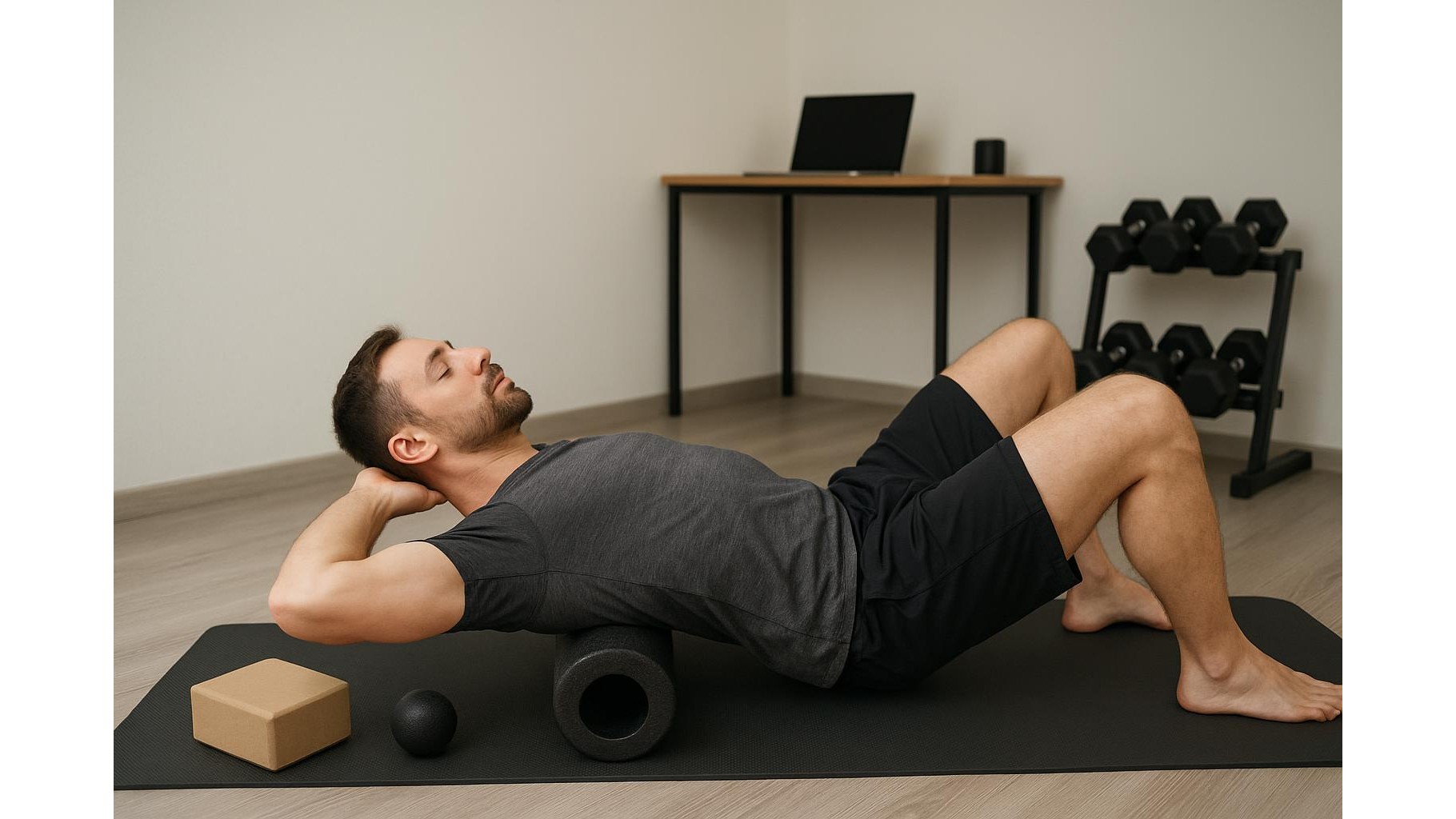
A basic foam roller is perfect to open a stiff upper back after pressing and pulling. Place the roller horizontally under your mid‑back, support your head with your hands and slowly extend over it, stopping before any sharp pain. Roll up and down the thoracic spine for 1–2 minutes, then park the roller under the tightest spot and breathe deeply. This creates gentle extension through the segments that get locked from desk work and heavy benching, giving your shoulders more freedom and taking load off the neck. Used consistently after your heavy days, a foam roller becomes a simple way to maintain mobility without adding another workout to your schedule.
Support smarter positions with simple props
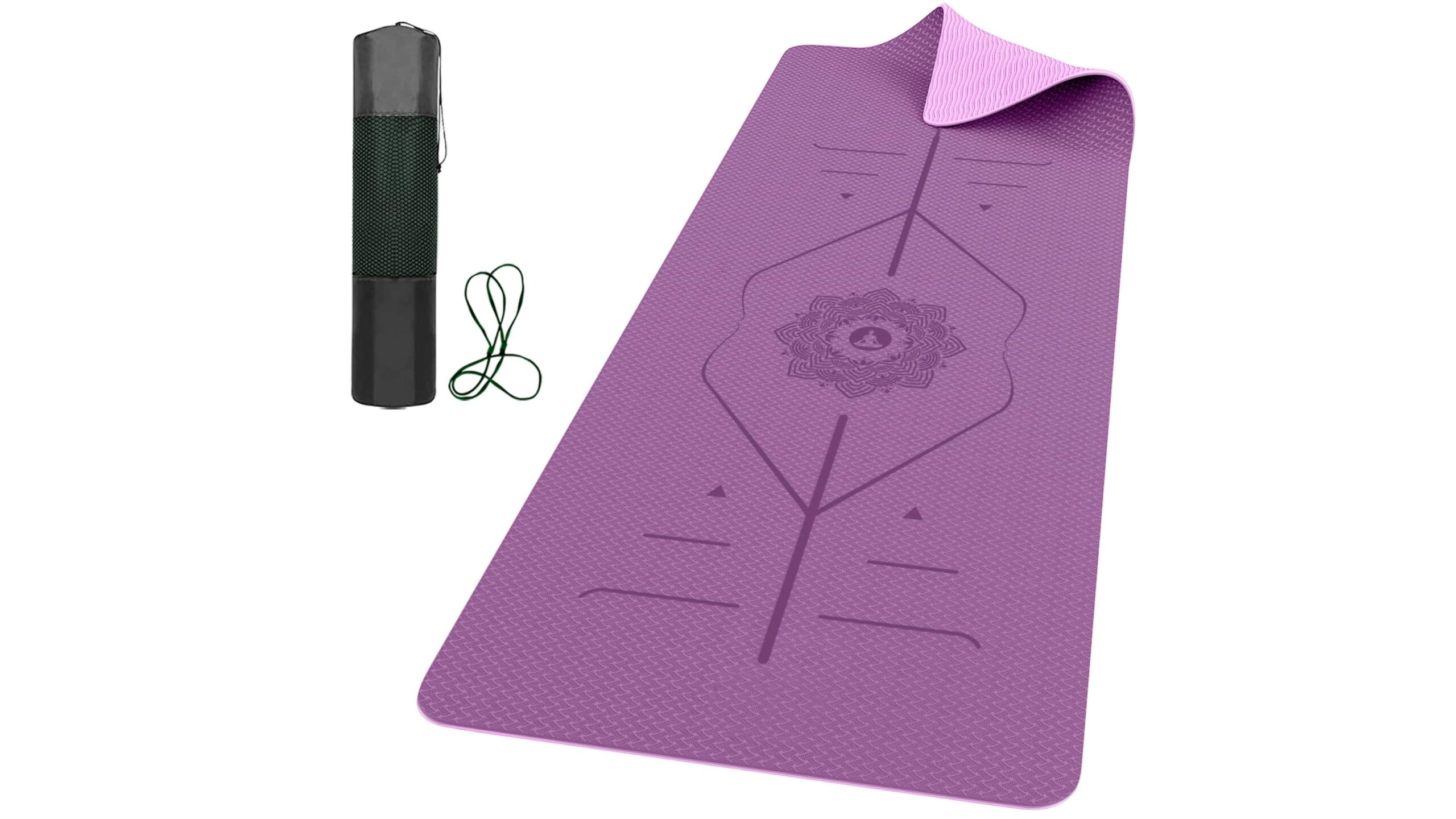
Beyond soft‑tissue work, you can use simple props like a firm yoga block or folded towel to support better positions during recovery drills. Lying on the floor with your head on a block that keeps your neck in a neutral line makes chin tucks and breathing work more effective and less straining. You can also place a block between the knees during supine breathing to engage the hips and help your lower back relax. In your home gym, use a block under the hands for incline push‑ups and scapular push‑ups to train shoulder stability without loading an already cranky neck. These small adjustments teach your body more efficient alignment so that tension does not build back up as soon as you return to lifting.
Build a repeatable neck and upper back recovery routine
To make lasting change you need a simple, repeatable plan. After your long lifting sessions, spend 10–15 minutes on this sequence: 3–5 minutes of ribcage breathing and cat‑camel, 3–5 minutes with the massage ball on key trigger points, 2–3 minutes of foam rolling for the upper back and a couple of drills supported by a block or towel. On non‑training days, sprinkle in short “movement snacks” – a minute of chin tucks, wall slides or gentle thoracic rotations every few hours at your desk. Over a few weeks you should feel lighter between sessions, stand taller and notice fewer neck twinges when you push hard.
Relieving neck and upper back tension at home does not require complex gear; it requires consistent attention and smart use of simple tools. By combining targeted soft‑tissue work, mobility drills, breathing and better positioning, you build a recovery routine that fits naturally around your home workouts. Treat this plan as part of your training, not an optional add‑on, and your lifts, posture and day‑to‑day comfort will all move in the right direction.