Building a silent home rowing setup is one of the smartest ways to get serious cardio in an apartment without becoming the enemy of your neighbours. By combining the right rower type, floor protection, and efficient stroke technique, you can row early in the morning or late at night with minimal noise through walls and floors. This guide focuses on practical tweaks you can apply today to keep your training smooth, low‑impact and neighbour‑friendly.
Choose the right resistance system
The first decision that affects rowing noise is the resistance type. Magnetic rowing machines are generally the quietest because resistance is created by magnets moving past a flywheel rather than moving water or air. They produce a soft hum rather than a whooshing roar, making them ideal for flats and shared spaces. When comparing options, look for models described as having a “quiet belt drive” and multiple magnetic resistance levels rather than chain‑driven air rowers, which tend to vibrate more and transmit sound through the frame and floor. If you are upgrading from an older, clunkier machine, a compact magnetic rower can be a game‑changer for both you and your downstairs neighbours.
Protect your floor with the right mat
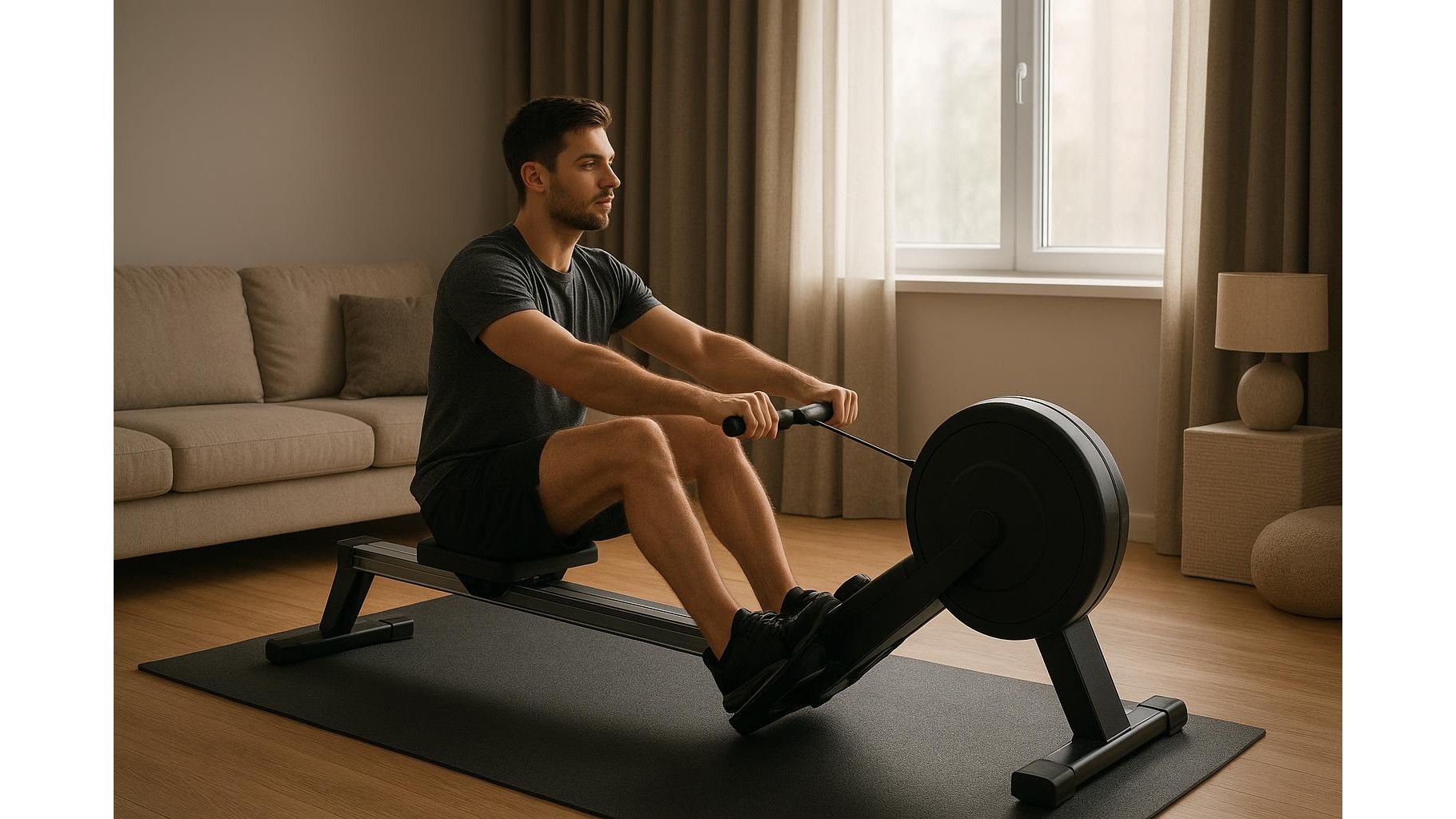
Even the quietest rower can transfer vibration into hard floors, so investing in a thick equipment mat is essential for silent home rowing. Choose a mat that is specifically sold for heavy gym gear, with high‑density rubber or PVC and enough surface area to extend beyond the rower’s front and rear legs. This helps deaden both impact and low‑frequency rumble that travels through joists into neighbouring rooms. A quality mat also stabilises the machine, reducing creaks from uneven surfaces. For maximum noise reduction, pair the mat with a rug or carpet underneath if your layout allows it, creating a double layer of sound insulation between rower and subfloor.
Refine your stroke mechanics for quiet power
Your technique is just as important as your hardware when it comes to a quiet rowing workout. Slamming into the front and back of each stroke creates both impact sound and extra wear on the machine. Aim for a controlled catch and finish: slide forward smoothly on the seat rail, avoid bouncing off the front stop, and engage the legs first, then the core, then the arms in a fluid drive. On the recovery, glide back with relaxed shoulders and keep the chain or strap moving in a straight, even path instead of jerky pulls. Practising “silent strokes” at low intensity for a few minutes in each session will train your body to generate power without unnecessary clatter and will significantly lower the overall noise in a small apartment.
Structure your workouts to minimise impact
How you organise your cardio sessions can also influence noise levels, especially at unsociable hours. Swap high‑rate sprint intervals for slightly longer, lower‑rate efforts that emphasise strong but controlled strokes (for example 18–22 strokes per minute). These steady efforts keep breathing and machine acceleration smooth, reducing sudden bursts of sound. You can still build intensity by increasing resistance or lengthening work intervals without resorting to frantic stroke rates. Try pyramid sessions or tempo rows where the focus is on rhythm and consistency. This kind of “quiet intensity” is easier to maintain in the long term and less likely to disturb people on the other side of thin walls.
Control ambient noise and vibration in your space
Beyond the rower itself, the rest of your room matters for noise control. Hard, bare rooms amplify sound, while soft furnishings absorb it. Adding curtains, a fabric sofa, wall hangings or acoustic panels can noticeably reduce echo and perceived noise. Position your rower away from shared walls when possible, and angle it so that the flywheel or resistance unit points toward an internal wall instead of a neighbour’s bedroom. If your machine has adjustable feet, use them to level the frame and eliminate rocking that can creak or thump on every stroke. For extra isolation, some users place small rubber pads or furniture coasters under each foot of the rower on top of the main mat to cut vibration transfer even further.
Maintain your machine for long‑term quiet operation
Regular maintenance keeps your home rowing machine running smoothly and quietly. Wipe the rail and seat rollers to remove dust that can cause squeaks. If your model uses a chain drive, follow the manual’s guidance on occasional lubrication to prevent rattling or grinding. Check bolts and screws every few weeks and tighten any that have loosened from repeated motion; tiny gaps in joints can amplify noise under load. Listening for new sounds during warm‑ups will help you catch issues early, before they become loud enough to annoy neighbouring flats. Combined with thoughtful matting, room setup and polished stroke mechanics, a well‑maintained rower lets you enjoy efficient, full‑body cardio at any hour with barely more noise than a gentle fan.
By choosing a quiet magnetic rower, adding proper floor protection, refining how you move and how you structure workouts, and keeping the machine in good condition, you can achieve truly silent home rowing that fits comfortably into apartment life. The result is a smooth, low‑impact cardio routine that protects both your joints and your relationships with the people living around you.