Building a compact home gym under 500 euros is absolutely possible if you focus on versatile, space‑saving tools instead of big machines. In this guide we’ll walk through how to pick a smart home gym starter kit that covers strength, mobility and basic conditioning, how to store it in a small corner, and how to upgrade later without wasting money.
Define your goals and training space
Before buying any home gym equipment, be clear on two things: your primary fitness goals and the exact space you have. If you want general strength and toning, a mix of adjustable weights and resistance bands will be ideal. Measure your training area, including ceiling height, and decide where you’ll store everything after workouts. A simple floor area of about 2×2 m is enough for a compact setup, and a wardrobe, under‑bed space or a single wall can handle all your gear if you choose foldable and stackable items.
Core strength tools for a starter kit under 500 €
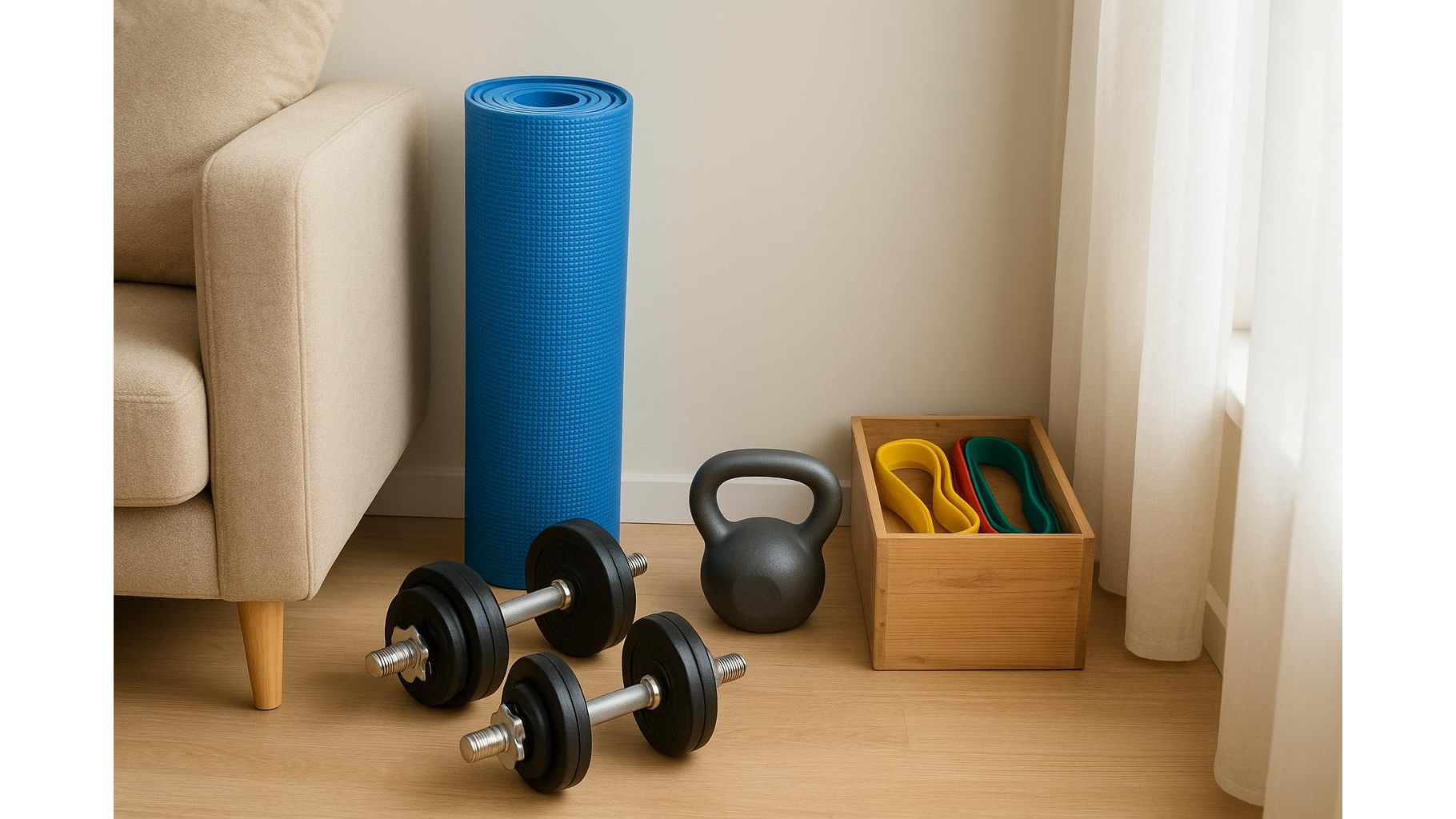
The backbone of your starter kit should be free weights and bands. A pair of adjustable dumbbells lets you train your whole body while saving space, and a light set of resistance bands adds joint‑friendly options and travel‑ready workouts. Add a basic exercise mat for floor work and mobility, and, if budget allows, a compact kettlebell to introduce power and conditioning. Together, these tools cover squats, presses, rows, hinges and core exercises without the need for bulky machines.
Smart accessories that multiply your exercise options
Once you have your main weights, a few small accessories will dramatically increase your exercise library while staying under budget. Loop bands and long resistance tubes enable assisted pull‑ups, glute work and presses without a rack. A simple door anchor turns any doorway into a cable station for rows and chest exercises. Add a set of push‑up handles or parallettes to keep wrists neutral and deepen your range of motion. These low‑cost pieces are light, easy to store and perfect for making full‑body workouts more joint‑friendly and varied.
Storage and organisation in a small home gym
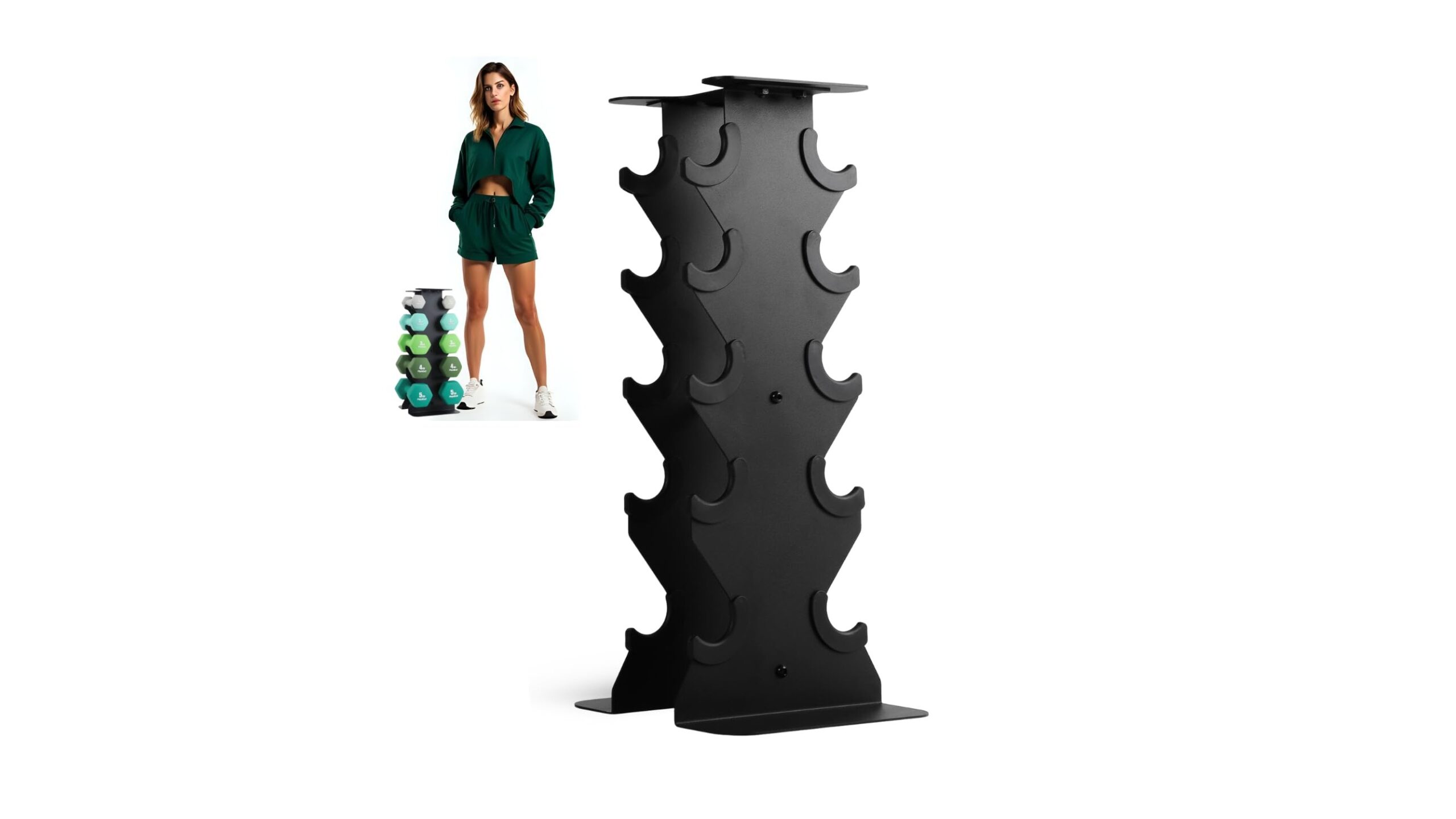
Even the best home gym starter kit becomes a problem if it clutters your living room. Plan simple storage solutions from the start: a low storage box or crate for dumbbells and kettlebell, wall hooks for bands, and a slim basket for smaller accessories. Keep your exercise mat rolled and stored vertically in a corner. Organising equipment this way keeps your space visually clean, reduces the risk of tripping and makes it easier to start training because everything has a clear place and is quick to access.
Example budget breakdown under 500 euros
To keep your home gym budget under 500 euros, think in categories instead of buying random gadgets. For example, allocate roughly half of your budget to quality adjustable dumbbells that will grow with you, then reserve a smaller portion for a solid kettlebell and a durable set of resistance bands. The remaining amount can cover an exercise mat, push‑up handles and simple storage. This approach ensures you get reliable essentials that can handle progression in weight and difficulty rather than cheap, redundant items that you’ll quickly outgrow.
Upgrade paths: how to expand your compact setup
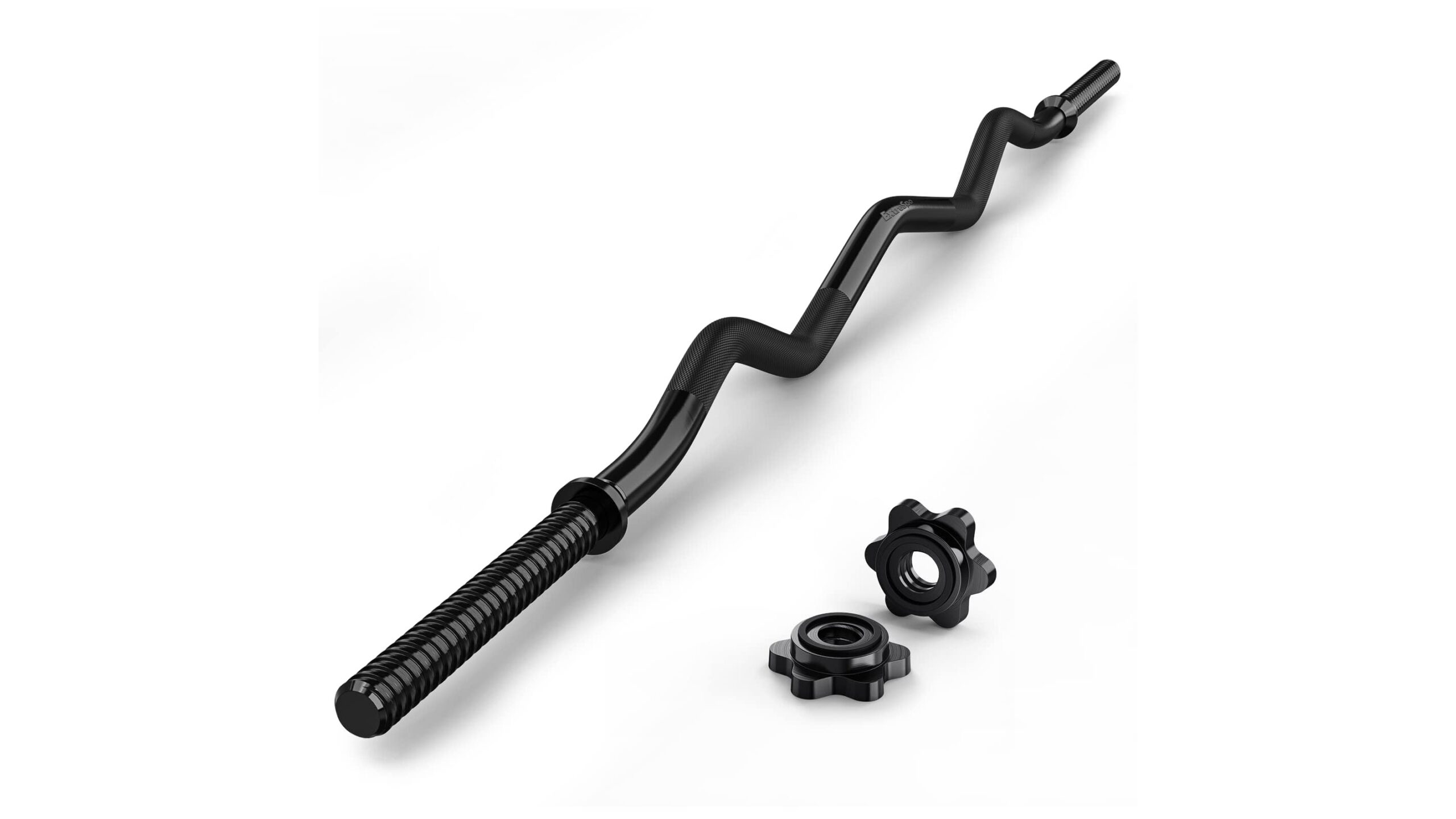
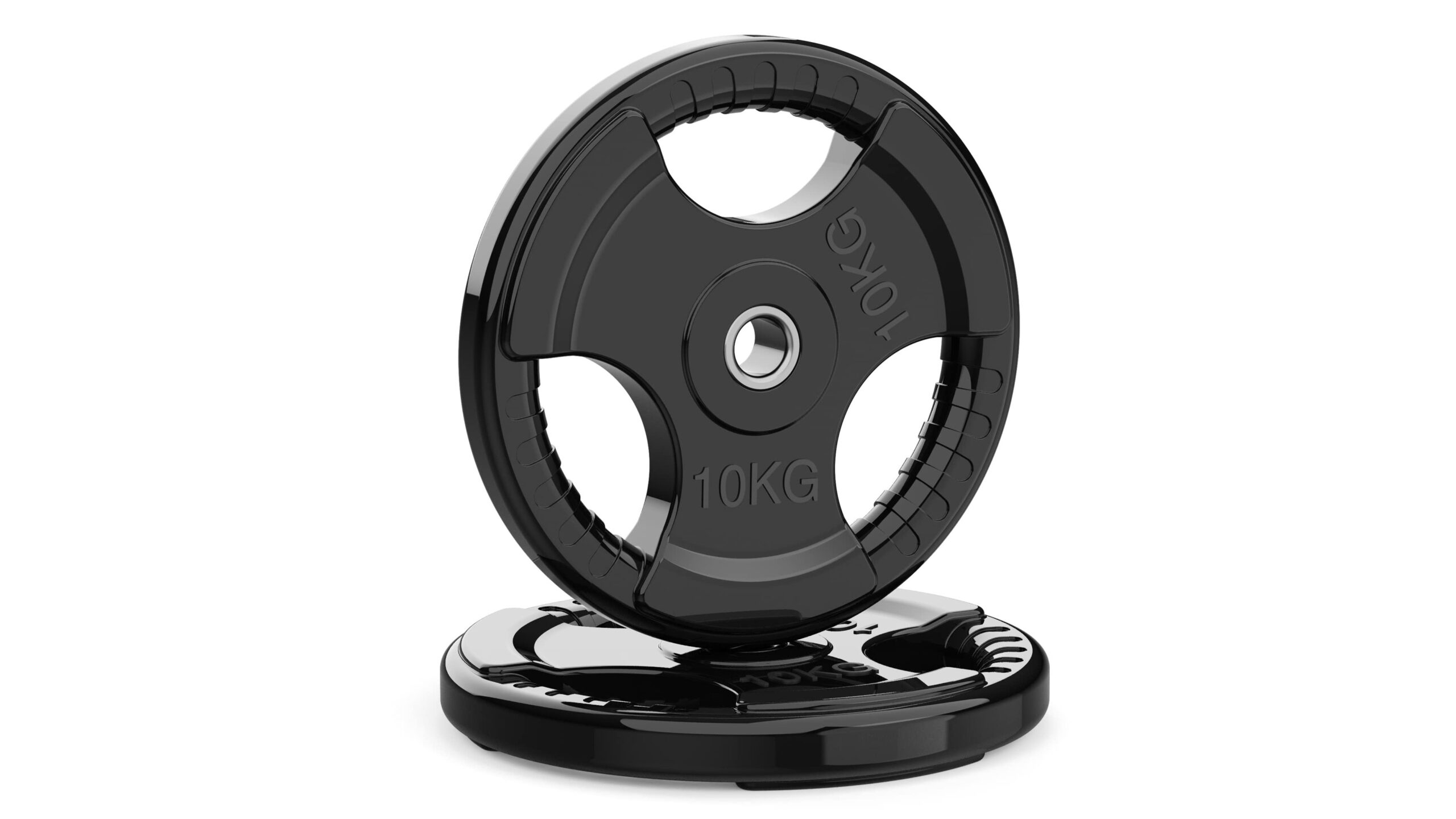
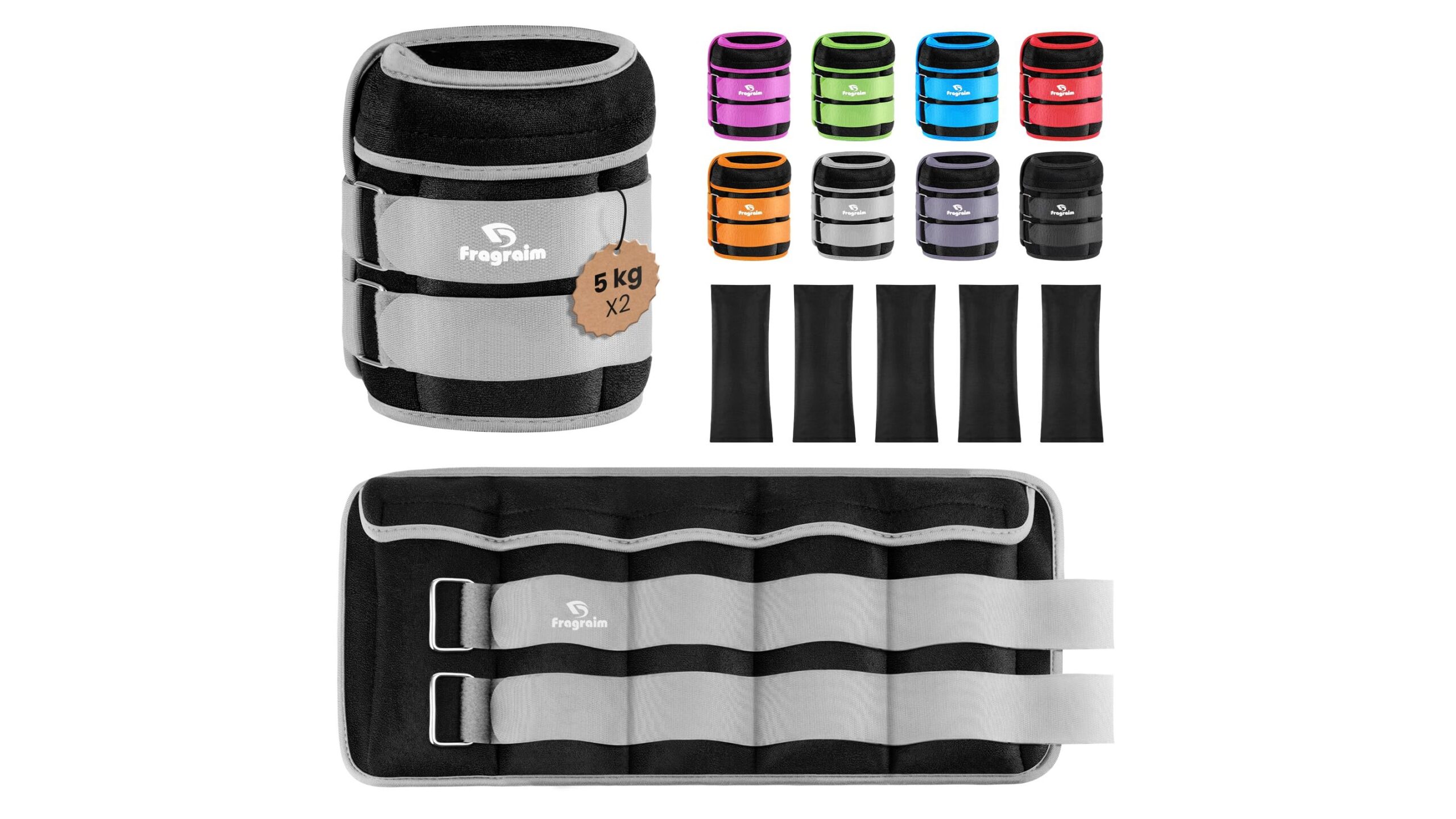
As you get stronger, you don’t need to replace your entire compact home gym—just upgrade strategically. The first step is usually adding heavier weight plates or a second kettlebell to allow double‑kettlebell work. Next, consider a foldable adjustable bench to open up incline presses and supported rows while still folding away after use. If you later have more space and budget, a doorway or wall‑mounted pull‑up bar adds huge upper‑body value. By following this incremental path, your initial starter kit remains the core of your home gym rather than something you abandon.
Building a compact home gym starter kit under 500 euros comes down to smart planning: define your goals, prioritise versatile tools, and organise your space. With a small but well‑chosen mix of adjustable weights, resistance bands and a few accessories, you can train your whole body effectively in a tiny area. Start with the essentials, keep your setup tidy, and then upgrade piece by piece as your strength, skills and budget grow.