Training at home no longer has to mean guessing whether your workout is easy, moderate or intense. A heart rate monitor paired with a good app lets you see exactly how hard your body is working, so you can hit the right heart rate zones, recover properly and make every minute of your home cardio count.
Table of contents
Why heart rate monitoring changes home workouts
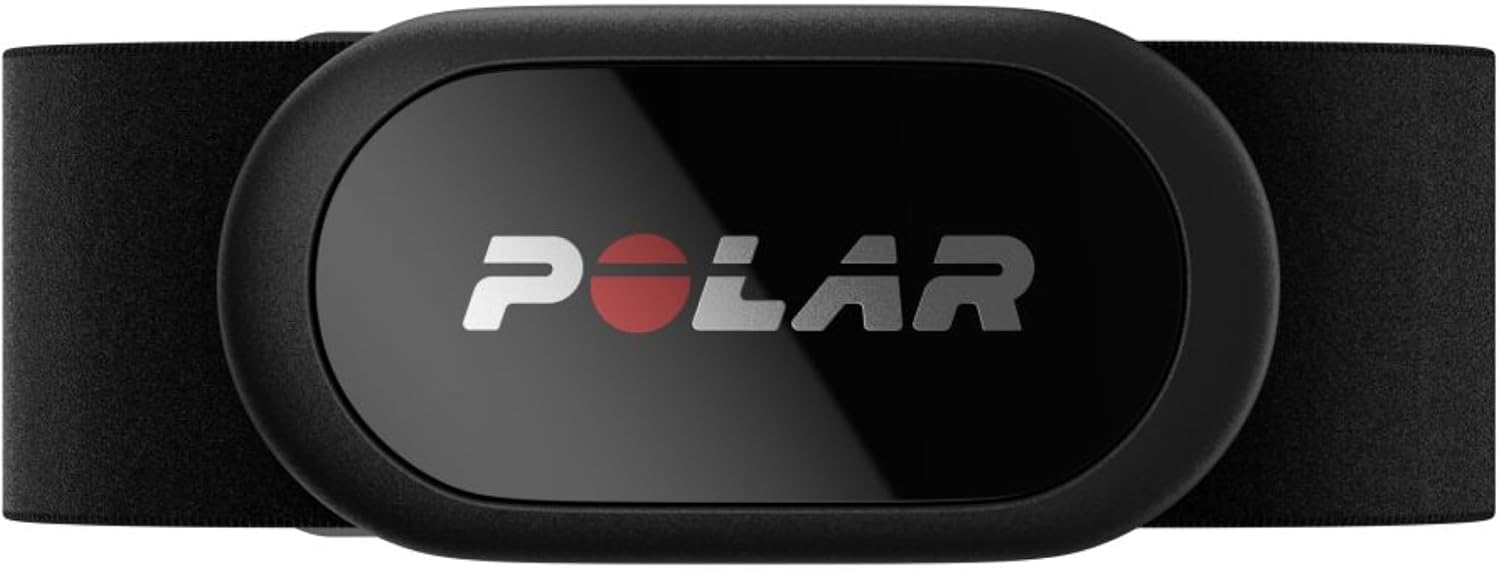
Most people train by feel and speed, but perceived effort can be misleading. Using a dedicated heart rate chest strap gives you continuous, ECG-style readings so you train in the right zone for your goal: low intensity for fat burning and recovery, moderate for endurance, and high intensity for intervals. Devices like the Polar H10 Heart Rate Sensor provide ECG/EKG-accurate data and work with popular training apps, so you can replace guesswork with real-time feedback. Over time, you’ll see your resting heart rate and zone distribution trends, which is far more telling than stopwatch times alone.
Choosing the right heart rate monitor for home training
For serious home training, a chest strap is usually more accurate than a wrist-based tracker. The Polar H10 is widely regarded as a gold-standard option, offering Bluetooth, ANT+ and 5 kHz connectivity plus a comfortable, machine‑washable strap. If you want a more budget-friendly but still accurate solution, the COOSPO H6 Heart Rate Monitor Chest Strap and the moofit HR8 Heart Rate Monitor Chest Strap both offer Bluetooth and ANT+, long battery life and IP67 waterproof ratings at a lower price. Look for broad app compatibility, a soft adjustable strap and a replaceable CR2032 battery so your monitor will support years of training.
Setting up your monitor and companion apps
Getting started is straightforward. First, adjust the chest strap so it fits snugly below your chest; moisten the electrode pads so they can pick up your heart’s electrical signal reliably. Clip in the sensor and wait for the light (if present) to indicate it’s active. Then, instead of pairing via your phone’s general Bluetooth menu, open your chosen fitness app (such as Polar Beat/Flow, Strava, Zwift or Wahoo Fitness) and add the sensor there. Monitors like the Polar H10, COOSPO H6 and moofit HR8 can usually broadcast to more than one device at a time, so you might see your heart rate on a bike computer, treadmill console and smartphone simultaneously.
Training in the right heart rate zones at home
Once your heart rate monitor is connected, set up your zones based on age, current fitness and, ideally, an estimated max heart rate test (or use app defaults to start). For steady‑state home cardio like treadmill walking, indoor cycling or rowing, aim to stay in a moderate zone where you can still talk but feel you’re working. For HIIT and intervals, alternate between short bursts in a higher zone and longer recovery periods in a lower zone, using your heart rate to define when each interval starts and ends rather than watching the clock. Devices like the COOSPO H6 and moofit HR8 integrate smoothly with apps that colour‑code zones, so you instantly see whether you should push harder or back off.
Using data to progress and avoid overtraining
A big advantage of monitors such as the Polar H10 is accurate HRV (heart rate variability) and resting heart rate tracking through companion apps. Over weeks, these metrics help you spot fatigue and adjust your home training plan. If your heart rate is unusually high for a familiar workout, or your HRV trends down, you may need extra recovery. By reviewing session summaries in apps connected to the COOSPO H6 or moofit HR8, you can check time in each zone, average and max heart rate and calorie burn, then gradually increase weekly intensity or duration while staying within healthy limits. This data‑driven approach reduces injury risk and plateaus.
Making heart rate monitoring a habit
Consistency is what turns heart rate tracking into results. Keep your chest strap by your home gym equipment, replace the CR2032 battery when readings become erratic, and clean the strap regularly so it stays comfortable and accurate. Whether you opt for the premium Polar H10 or value‑oriented options like the COOSPO H6 and moofit HR8, pairing a reliable heart rate monitor with the right app lets you train smarter, hit your zones and build a stronger, fitter body at home—without relying on guesswork.