Building an at-home training routine is exciting, but constant hard work without breaks can slowly drain your joints, energy and motivation. A planned deload and recovery week at home lets you pull back just enough to heal, reset and come back stronger, without losing the habit of showing up. With a few smart tweaks to volume and intensity, plus some simple recovery tools, you can turn one week of “less” into a powerful investment in long-term progress.
What an at-home deload week really is
A proper deload week is not a week of doing nothing; it is a week of strategically reduced training stress. You keep your usual workout structure and movement patterns, but you cut back on volume (sets and reps) and intensity (load or exertion). For home lifters, this might mean using lighter dumbbells, skipping the last hard set, or swapping jump squats for slow bodyweight squats. The goal is to lower fatigue in your joints and connective tissue while maintaining skill and rhythm. Mentally, deloads also give you permission to “back off” without feeling like you are quitting, which helps preserve motivation over months of consistent training.
How to adjust sets, reps and intensity at home
During a home deload week, think in terms of simple percentages. Keep the same exercises, but drop your total volume by around 30–50% and intensity by 10–20%. For example, if you usually do 4 sets of push-ups close to failure, perform 2–3 sets and stop 3–4 reps before you feel a serious burn. If you lift adjustable dumbbells, select a lighter weight that feels comfortable and controlled. Replace high-impact conditioning like burpees or sprints with low-impact cardio such as brisk walking or easy cycling. This way you still move daily, but the stress on your nervous system and joints is much lower, allowing recovery to finally get ahead of fatigue.
Using a foam roller to reset tight muscles and joints
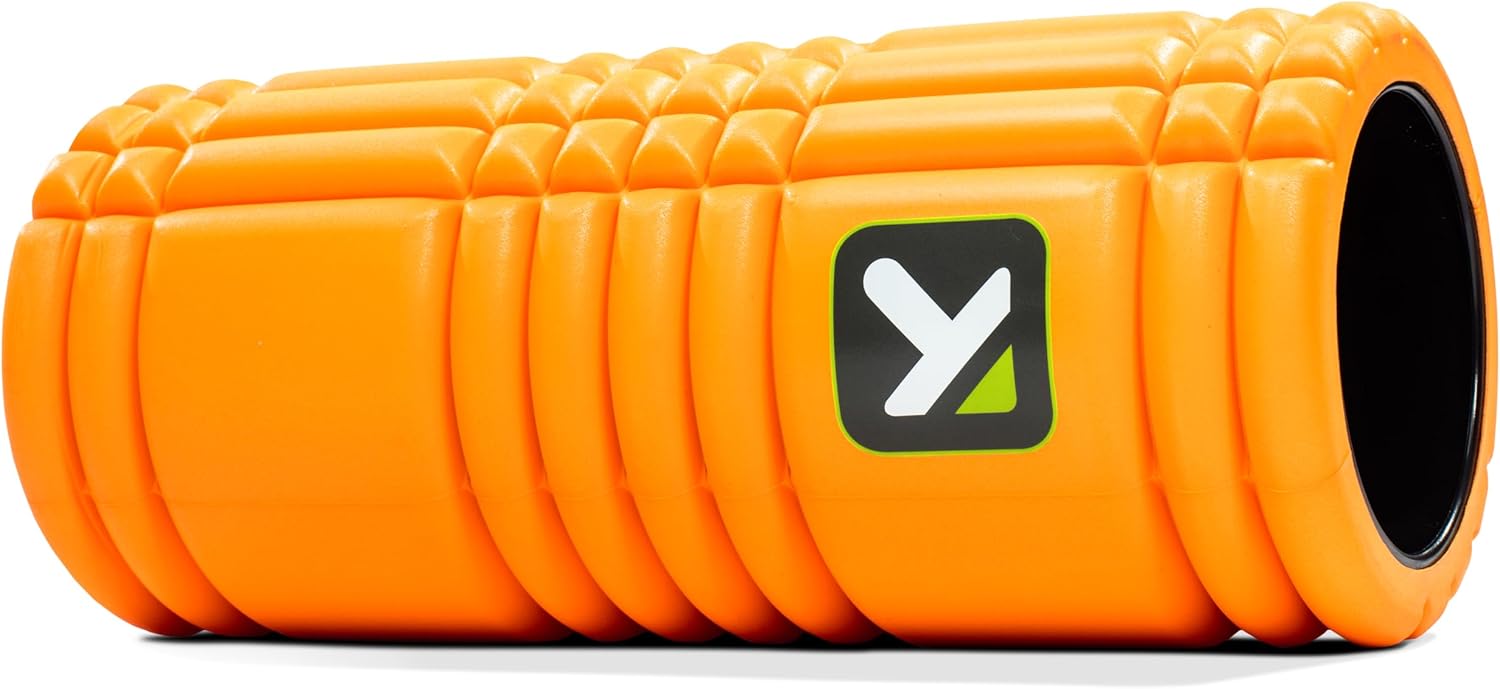
Adding 10–15 minutes of myofascial release to your deload can massively improve how your body feels. A tool like the TriggerPoint Grid Foam Roller – Multi-Density Exterior, Rigid Core is ideal for home use. Its multi-density GRID surface is designed to mimic a therapist’s hands and the rigid hollow core helps it keep its shape even under heavy bodyweight. Roll slowly over your calves, quads, glutes and upper back, pausing on tender spots for 20–30 seconds while you breathe deeply. This can enhance circulation, reduce muscle tightness and help joints feel freer with minimal time investment. Many home athletes find that consistent foam rolling during a deload noticeably reduces next-day stiffness and supports a smoother return to heavier training.
Recovery habits that boost energy and motivation
A successful recovery week at home is built as much on lifestyle as on sets and reps. Use this week to prioritise sleep quality: set a consistent bedtime, dim lights earlier and keep screens out of the bedroom where possible. Increase your daily walking and light movement instead of sitting for long stretches; this keeps blood flowing and speeds recovery without adding fatigue. Pay attention to hydration and aim for balanced meals with enough protein to support muscle repair. Mentally, schedule very short, “easy win” sessions you know you can complete, like a 10-minute mobility flow. Finishing small, manageable workouts helps restore confidence and motivation, especially if you have been feeling burned out or inconsistent.
Planning your next training block without losing momentum
Use the mental space of your at-home deload to plan your next 4–6 weeks of training. Reflect on which movements bother your joints, where you feel weak, and what genuinely excites you. Adjust exercise selection to reduce nagging pain, and set clear but realistic performance goals, such as adding 2–3 reps to your main lifts or improving a timed bodyweight circuit. Write your new plan down and keep your usual training schedule during the deload, just with lighter sessions. That way, when the week ends, all you do is increase volume and intensity again—you are not rebuilding the habit of starting. The result is a seamless transition from recovery back into focused, motivated progress.
A well-planned at-home deload and recovery week lets you step back without stepping away. By reducing volume and intensity, using simple tools like the TriggerPoint Grid Foam Roller, and tightening up your sleep, movement and nutrition habits, you give your joints, energy and motivation room to rebound. Treat deloads as a regular, proactive part of your home gym programming and you will build a body—and mindset—that can keep training hard for years, not just weeks.