Lifting alone at home can be incredibly productive—but only if your form is on point. Without a coach or training partner, it’s easy to let technique slip, especially as fatigue kicks in. The good news: a new wave of form-check tools, from basic phone tripods to AI-powered trackers, makes it easier than ever to monitor your lifts, review video, and even track reps and effort in real time. Below you’ll find a selection of practical gadgets and wearables that help solo home lifters stay safe, consistent and progressing.
Lock in angles with a simple phone and tripod
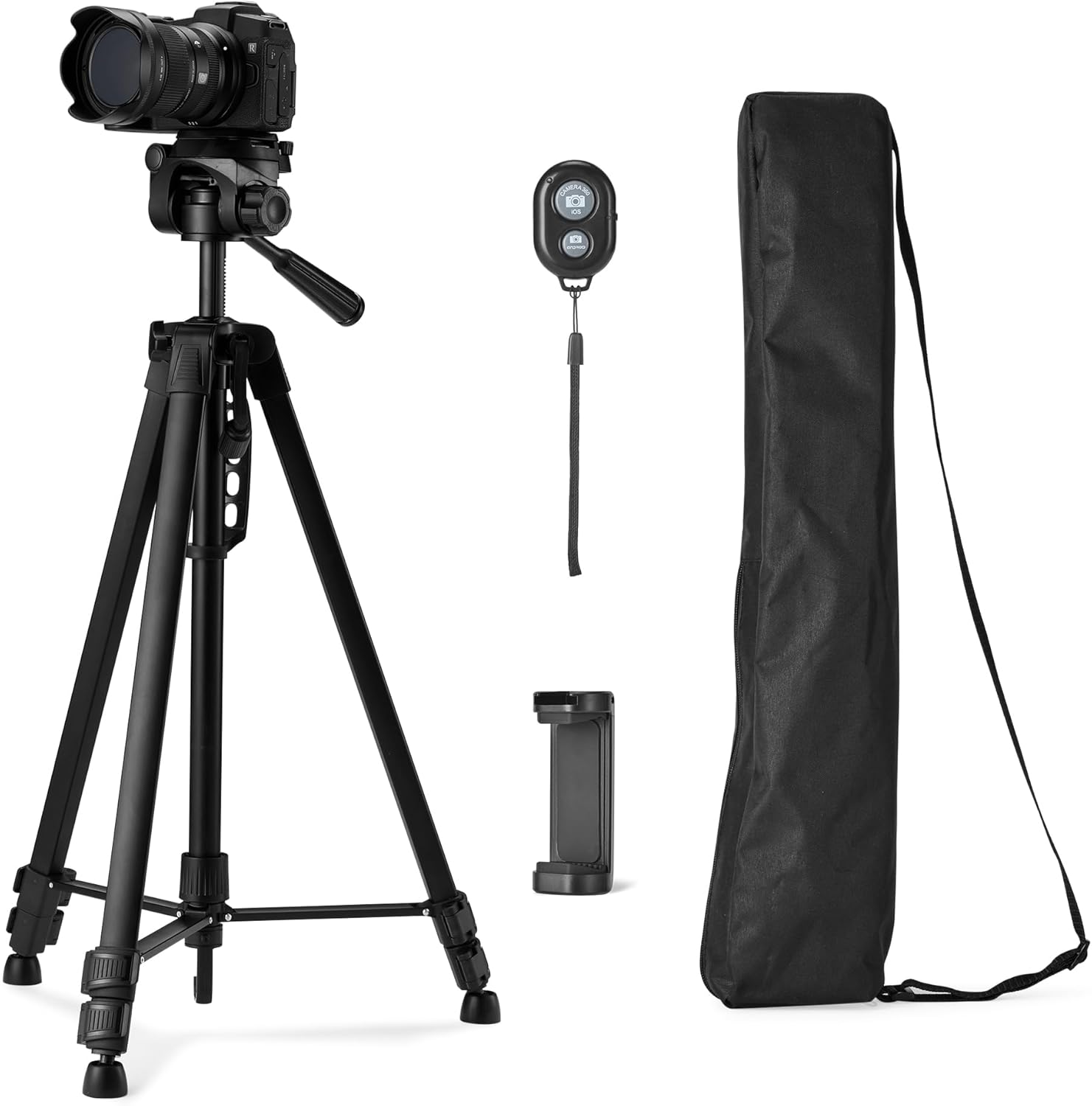
The foundation of any home form check setup is a stable, adjustable tripod so you can capture clear video from the right angles. The Amazon Basics 152cm/60inch Phone and DSLR Camera Tripod offers a very accessible way to film lifts. It extends from 22 to 60 inches, with a three-section aluminium leg that lets you dial in hip-height side shots for squats or low front angles for deadlifts. A three-way pan head with full 360-degree rotation and 180-degree tilt means you can fine-tune framing without stacking plates or boxes under your phone. It includes a phone holder and a wireless remote, so you can start recording without walking back and forth between sets. Lightweight and supplied with a carry bag, it’s easy to move between rooms or pack away when your living room becomes a gym.
Auto-tracking tripods that follow every rep
If you move around a lot—walking lunges, kettlebell complexes, or dynamic warm-ups—a fixed tripod angle can miss key parts of your technique. An auto tracking tripod like the Auto Face Tracking Tripod from qirita adds smart motion tracking without needing a dedicated app. Its built-in camera locks onto your face or body and offers 360° rotation plus an adjustable 180° neck, so the phone pans as you move. Gesture controls (an “OK” sign to start tracking, “PALM” to pause) and a remote make it genuinely hands-free between sets. For solo lifters filming tutorials, Instagram updates or just reviewing footwork and bar path from multiple directions, this kind of smart phone holder keeps you centred in frame instead of drifting off-screen mid-set.
Stabilised video for dynamic strength and conditioning
Some home lifters don’t just lift—they sprint, jump, and throw into their sessions. For this kind of explosive work, camera shake can make it hard to analyse landing mechanics or torso position. A 3-axis gimbal such as the AOCHUAN 3-axis Phone Gimbal Stabilizer delivers buttery-smooth footage even when the person filming is moving. It uses an advanced anti-shake algorithm and face and body tracking via the AOCHUAN app, so a partner or tripod-mounted gimbal can follow you while you perform dynamic barbell complexes or kettlebell swings. A built-in LED fill light helps in darker garages and basements, and the compact, foldable design makes it easy to stash in a gym bag. For coaches who review videos remotely, clean, stabilised clips make it far easier to spot subtle form breakdowns.
Smart rings as discreet rep and effort trackers
Not every lifter wants a chunky watch during heavy bench or low-bar squats. A smart ring like the Ceramic Smart Ring Fitness Tracker from Govllfoz gives you 24/7 metrics in a small, unobtrusive form. It offers auto exercise recognition, continuous heart rate and blood oxygen monitoring, plus step and calorie tracking. For strength training, these metrics won’t replace a bar path tracker, but they do help you gauge overall session intensity, recovery and sleep quality, which all influence form and performance. The companion app logs training trends over time, and light-based notifications keep you aware of calls and messages without breaking concentration. For lifters who care about recovery, sleep and readiness alongside clean reps, this ring is a subtle but powerful data source.
Building a home form-check workflow that actually helps
The best form-check setup combines a few tools into a simple routine you’ll actually stick to. A basic tripod like the Amazon Basics model handles most static lifts; for movement-heavy sessions or content creation, adding an auto-tracking tripod such as the qirita unit keeps you framed without fuss. A gimbal like the AOCHUAN Smart X is ideal for outdoor conditioning or when someone else is filming, ensuring smooth, reviewable footage. Layer in a smart ring to quietly log heart rate, sleep and daily activity, and you’ve built a lightweight ecosystem that supports safer, more consistent training. The key is consistency: pick one or two angles per lift, record key work sets, check a couple of cues (knees, bar path, spine), and use your tracking data to match form quality with how recovered or fatigued you feel.
From gadgets to better lifting: making tech work for you
Tech won’t turn a poor programme into great results, but the right home gym tools do make solo lifting safer and more productive. A sturdy phone tripod, a smart auto-tracking holder, a stabilised gimbal and a discreet fitness tracking ring together provide the video clarity and feedback loop you’d normally get from a coach watching your sets. Use these gadgets to spot form breakdowns early, match your training to your recovery, and keep a visual record of your progress from month to month. With a bit of structure, your living room or garage can become a genuinely effective, data-informed training space—no spotter required.