
Building a home gym routine often means training between work calls, family time and everyday life. A good protein powder can make it much easier to hit your daily protein target without cooking a full meal after every workout. In this guide we’ll break down whey protein, plant-based options and blends, and explain how to use them effectively around your home workouts, whatever your goals or diet.
What whey protein is and who it suits
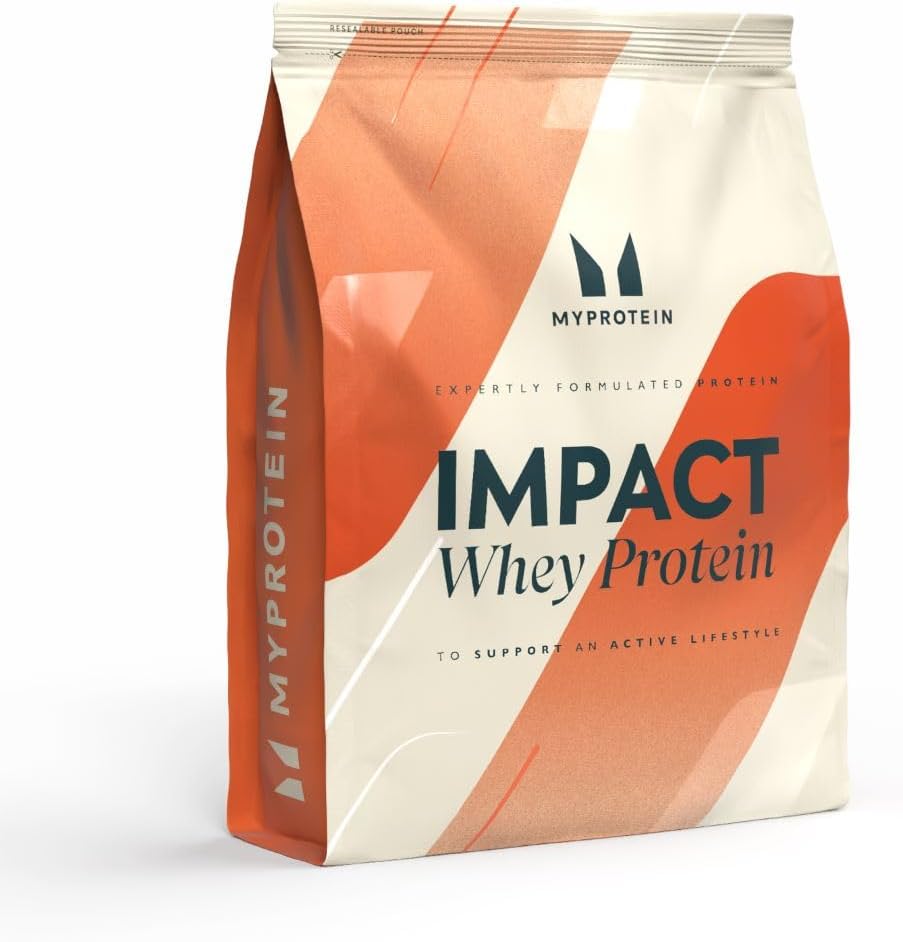
Whey protein is made from milk and is one of the fastest-digesting sources of protein, which makes it ideal straight after training. A classic example is Myprotein Impact Whey Protein Powder | Unflavoured – 1 kg | 23 g Whey Protein Per Serving with BCAAs | Builds Lean Muscle, Speeds Recovery | Low Fat & Carbs | Vegetarian | Trusted by Athletes. This powder provides around 20–23 g of protein per serving, is low in fat and carbs and mixes easily with water or milk. Because it’s fast-absorbing and light on the stomach, whey is a strong choice if you train intensely, want to build or maintain muscle, or simply need a quick recovery shake after strength, HIIT or circuit sessions at home. It is not suitable for vegans and may not work for those with dairy allergies.
Plant-based protein powders: when to choose them
Plant-based protein powders are usually made from peas, rice, hemp, soy or blends of different plants. They are ideal if you follow a vegan or vegetarian diet, have trouble digesting dairy, or want to reduce your intake of animal products. A good plant-based powder should deliver at least 20 g of protein per serving, be low in added sugar and use complementary protein sources (for example pea and rice) to provide a more complete amino acid profile. Compared with whey, plant-based protein can be slightly slower-digesting and sometimes thicker in texture, but it is perfectly effective for muscle recovery and supporting strength gains when your overall protein intake across the day is adequate.
Protein blends and clear proteins
Between pure whey and pure plant options sit the blended protein powders. These may combine different forms of whey (concentrate, isolate, hydrolysate) for a mix of fast and medium absorption, or mix plant sources to round out the amino acid profile. Blends are a smart pick if you want steady protein release between meals or a more balanced nutritional profile in one scoop. You’ll also see clear or juice-style proteins, which use whey isolate but drink like a light squash rather than a creamy shake. These can be useful if you prefer something refreshing after a hot home workout, or if you don’t enjoy milky shakes but still want a high-quality protein source.
How to use protein powders around home workouts
For most people training at home, timing protein is simple. Aim for 20–30 g of protein in the 1–2 hours after your session. A scoop of whey protein such as Myprotein Impact Whey Protein Unflavoured 1kg mixed with water is convenient right after training, especially if you don’t feel like eating yet. If your last meal was several hours before you trained, having a shake or a protein-rich snack beforehand can help performance and recovery. Outside the workout window, you can add protein powder to oats, smoothies, yogurt or pancake batter to easily increase your daily intake. Consistency over the whole day matters more than obsessing about exact minutes before or after your session.
Matching protein powders to goals and diets
If your main goal is muscle gain, focus on total daily protein (roughly 1.6–2.2 g per kg of bodyweight), then choose the powder you digest well and enjoy. Whey is often the most budget-friendly and convenient here. For fat loss, look for powders that are low in sugar and fat, and use them to build satisfying high-protein meals or snacks that keep you full. If you’re vegan or lactose intolerant, opt for a high-quality plant blend and check the label for at least 20 g protein and minimal fillers. For busy parents or professionals training in a small home gym, the best product is the one you can use daily without digestive issues, strange aftertastes or complicated prep.
In a home training routine, protein powders are simply tools: they help you meet your needs when whole-food options are inconvenient. Whether you choose a classic whey like Myprotein Impact Whey Protein, a plant-based formula or a smart blend, the basics remain the same: hit your daily protein target, train consistently and recover well. Used in this way, the right powder can make your home gym sessions more effective and your nutrition easier to manage.









