Training log apps can turn a simple home workout into a structured, progressive programme, even when you do not have access to a personal coach. By tracking sets, reps, load, and rest, these tools help you apply real periodization: planned changes in volume and intensity that keep you improving instead of spinning your wheels. With a smartphone or tablet and a bit of consistency, you can build a smarter routine, avoid plateaus, and actually see how your work adds up week after week.
Why a training log beats “instinctive” home workouts
Most people training at home rely on feel: a few push-ups here, some bands work there, maybe a random YouTube circuit. This “instinctive” approach quickly leads to stagnation because there is no clear record of volume (total sets and reps), intensity (load or difficulty), or progression. A training log app forces you to write down what you actually do, not what you think you do. Over time, you see trends: which movements you skip, when you tend to undertrain, and when you push too hard. This data is the foundation for intelligent home workout periodization, where every session fits into a larger plan geared toward strength, muscle, or fat loss.
Setting up your first periodized home programme in an app
Start by defining your main goal: building strength, gaining muscle, or improving conditioning. In your training log app, create a simple four-week block with two to four core workouts you will repeat. For example, an upper/lower split using bodyweight, dumbbells, and resistance bands. In Week 1, log conservative weights and reps, focusing on technique. In Weeks 2 and 3, use the app to add small, planned progressions: one extra set, 2–2.5 kg more, or a harder exercise variation. In Week 4, deliberately reduce volume by around 30–40%—your “deload” week—to consolidate gains. By copying this block and tweaking the variables, you create ongoing progressive overload without guesswork.
Tracking volume, intensity, and recovery with precision
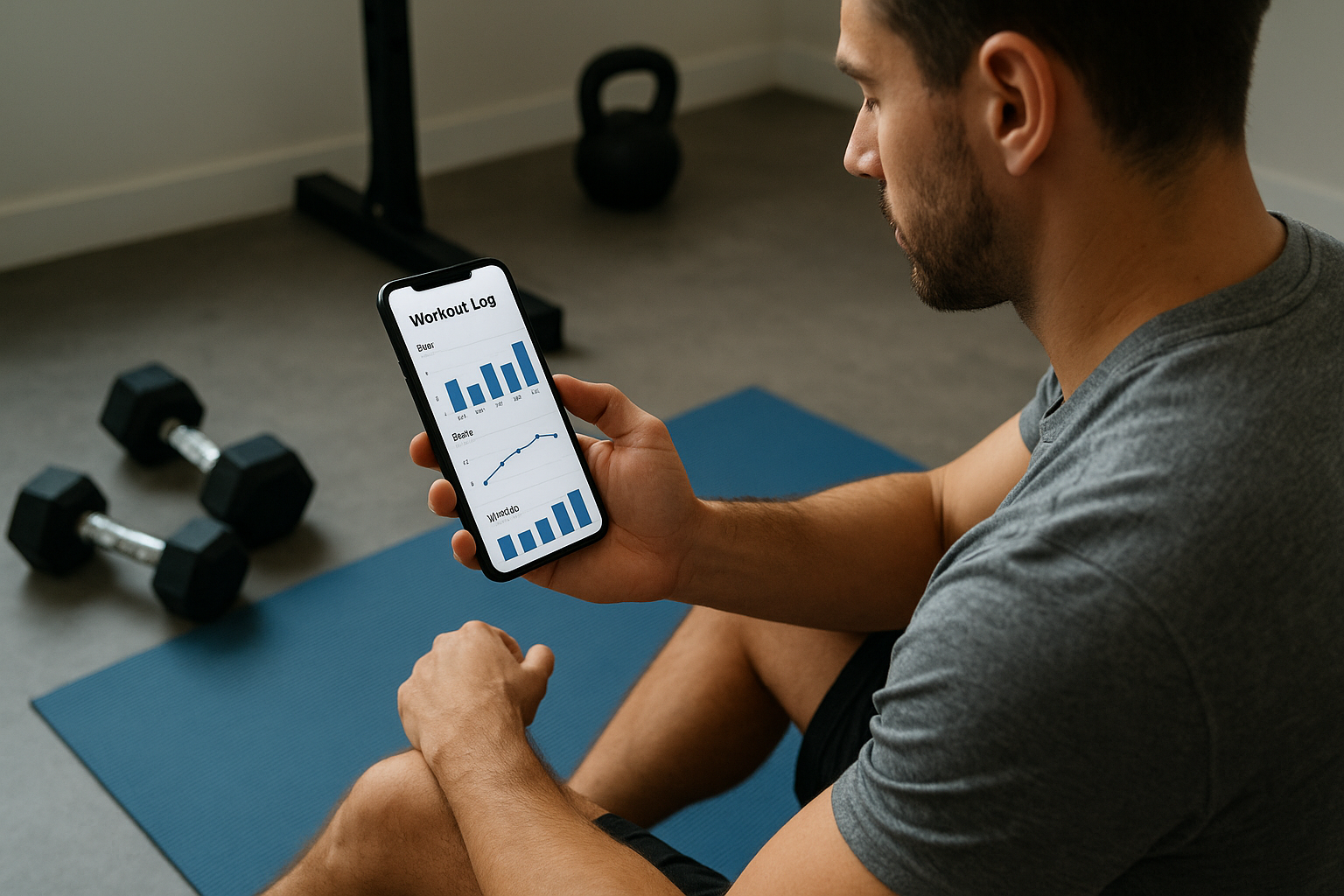
To periodize effectively, you must track more than just the exercise name. Use your app to log sets, reps, load, and even RPE (Rate of Perceived Exertion) or simple effort notes like “easy/moderate/hard.” This allows you to calculate weekly training volume per muscle group and see how hard you are pushing. If your total sets for quads double from one week to the next, your app will show it—and you can dial it back before you burn out. Likewise, by noting sleep quality, steps, or short comments about stress, you can correlate performance with recovery. Over time, patterns emerge that help you schedule harder and easier weeks in a logical, coach-like way.
Using app features to avoid plateaus at home
Modern workout logging apps include features that naturally support anti-plateau strategies. Templates let you quickly build and reuse programmes with small adjustments from block to block. Graphs and history tabs highlight stalled lifts or neglected movement patterns so you can introduce new variations or rep schemes (e.g., moving from 3×8 to 4×6). Some apps support exercise tags (push, pull, hinge, core), letting you balance your weekly plan visually. Reminders and streak counters add accountability, so you do not accidentally cut your training week short. By using these features consistently, you mimic the kind of long-term planning a personal coach would provide—without the ongoing fees.
Combining training logs with home gym tools for better results
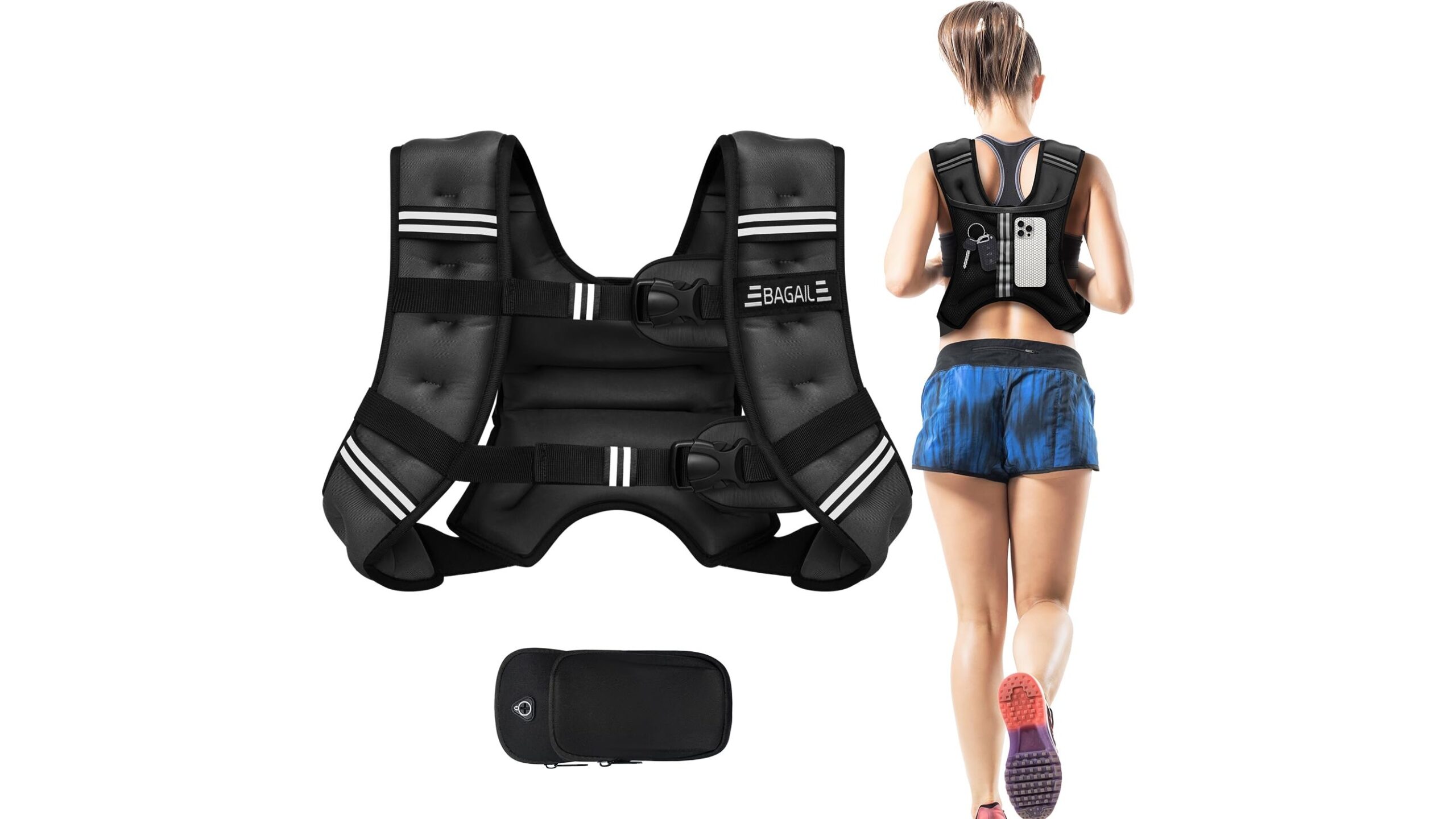
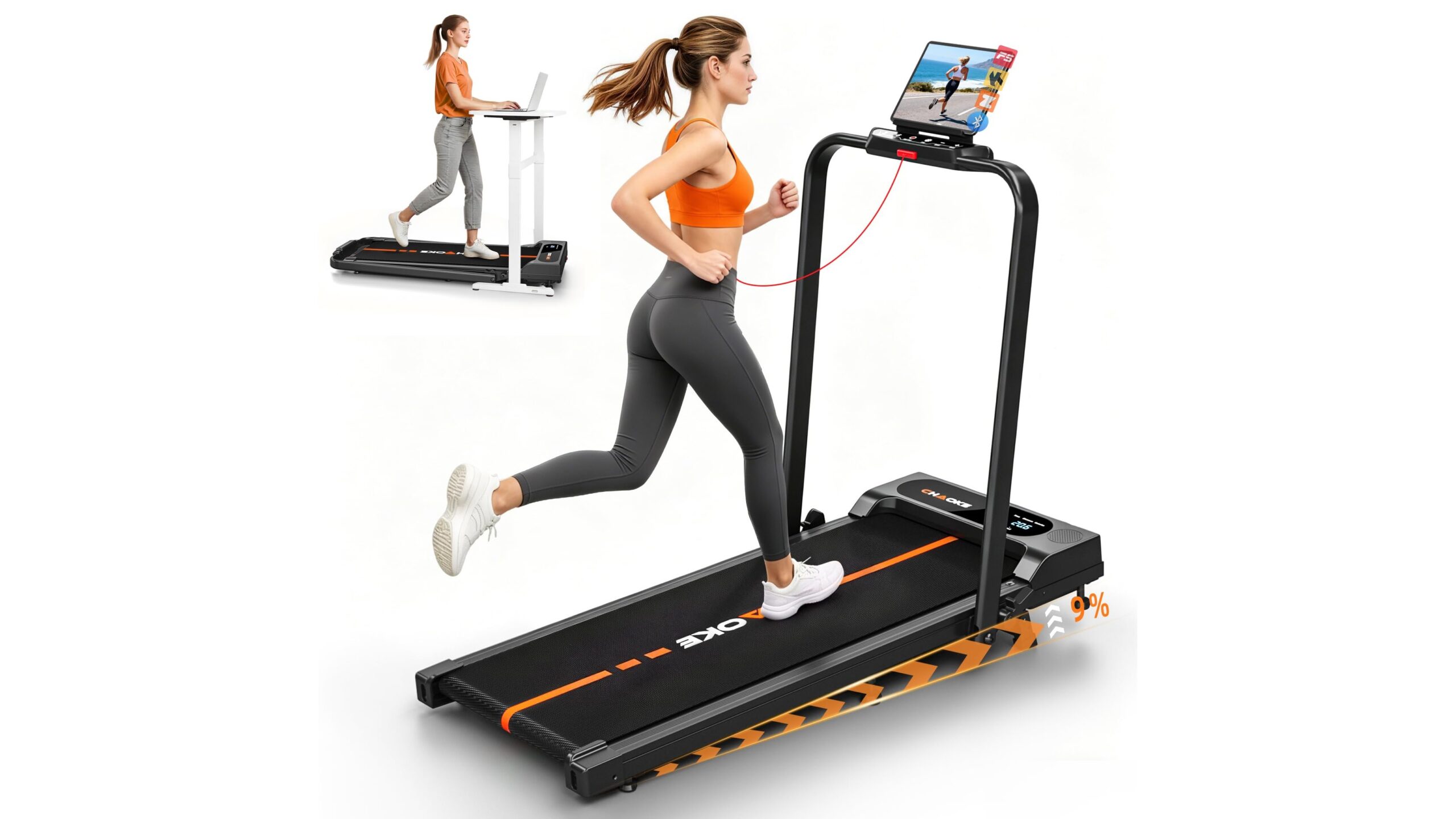
Logging is even more powerful when paired with simple home gym equipment. Dumbbells, adjustable benches, and resistance bands let you apply precise increases in load and difficulty, which your app then records. For example, you can plan a progression from bodyweight squats to goblet squats, then to split squats, using the app to schedule and track each change. Even low-tech tools like a pull-up bar or a set of mini-bands become more effective when you record total weekly sets and measure how many good reps you achieve over time. The combination of structured equipment use and accurate logging gives you objective feedback, helping you fine-tune exercise selection, rest periods, and training frequency like a data-driven coach would.
When used consistently, training log apps transform your home workouts from random sessions into a coherent, periodized programme. By monitoring volume, intensity, and recovery, you can plan progress blocks, schedule deloads, and adjust on the fly—without needing direct guidance from a personal trainer. Pair your app with a few well-chosen pieces of home gym equipment, keep your data honest, and revisit your logs every four to six weeks. This simple, methodical approach is enough to keep you moving forward, avoiding plateaus, and training with purpose in the long term.