Building a home gym is not just about racks and dumbbells: smart layering with the right hoodies and sweatshirts can make your warm‑ups more effective, your mobility work smoother and your cool‑downs more comfortable. The goal is to stay warm enough to protect your joints without ending up drenched and overheating after the first few sets. Here’s how to choose fabrics, fits and layering combinations that work in a small indoor space, plus two practical hoodie options you can use as reference.
Choosing the right fabrics for home workouts
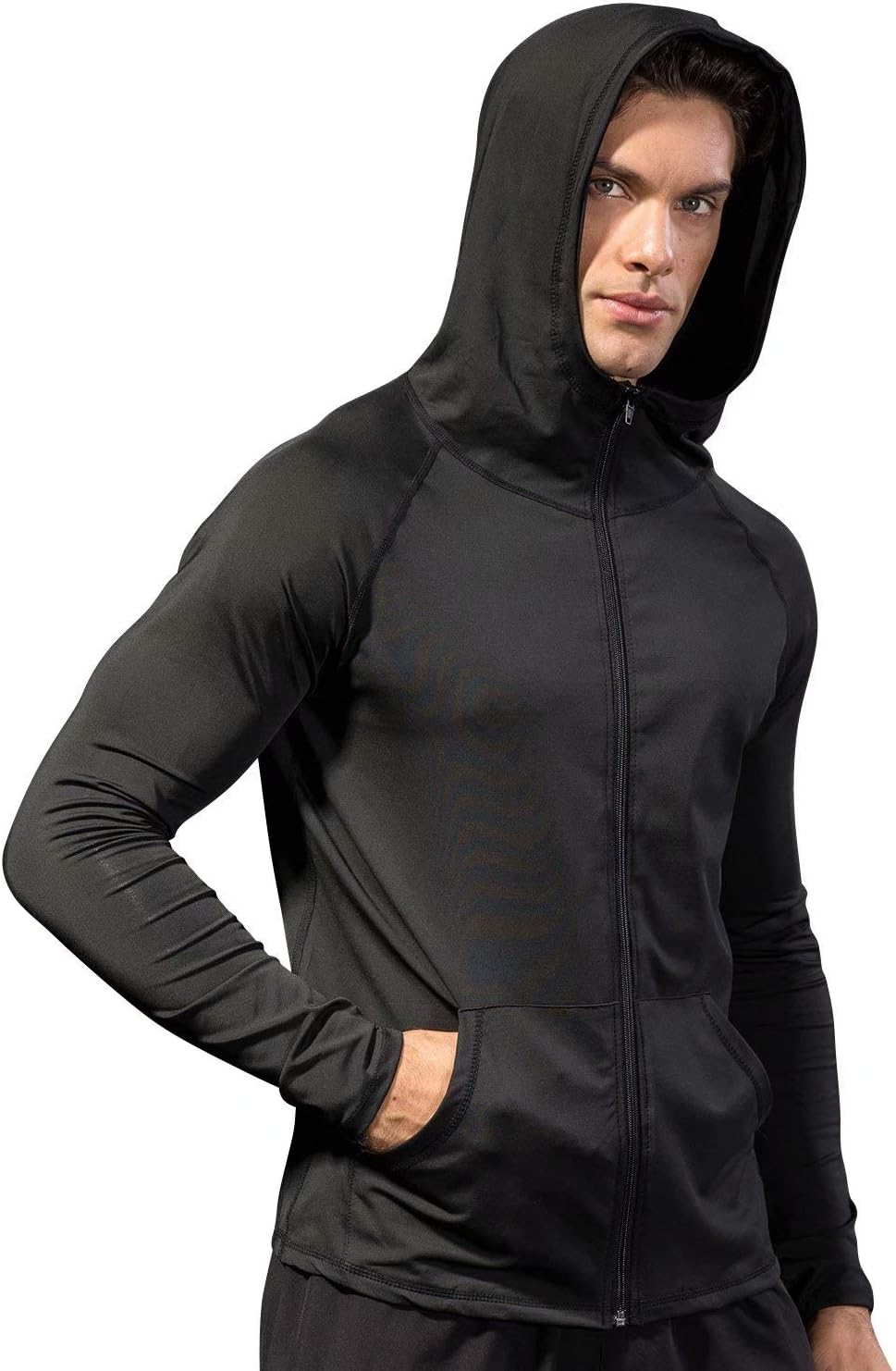
For a home gym hoodie, fabric matters more than style. Heavy cotton fleece is cosy, but in a warm flat or garage it can trap heat and sweat quickly. Instead, look for lightweight synthetic blends (polyester, elastane) or technical knits that offer quick‑dry performance and some stretch. The Sillictor Mens Gym Hoodies with Pockets UPF 50+ Zip Up is a good example of a breathable, lightweight layer designed for training: users highlight how comfortable it feels in the gym and how easily it keeps them cool. Thin technical hoodies like this help you warm up your muscles without soaking through the fabric, which is crucial if you train several times a week and don’t want constant laundry.
[p][/p]
Fit, mobility and functional details
A good workout hoodie should not fight your movement. Prioritise a regular or athletic fit that follows the body without being restrictive, with enough room around the shoulders for pressing, rowing and overhead work. Long sleeves should not bunch at the wrists when you grip a barbell, and the hem should stay put during squats or push‑ups. The Sillictor hoodie includes zip front and pockets for convenience (great for warming hands between sets), but note that the pockets are open, so it’s better for indoor training than running with valuables. Also pay attention to zip quality: some reviewers report broken zips on cheaper tops, so if you’re constantly putting it on and off during circuits, durability becomes a key factor.
Warm-up and mobility layering strategy
For warm-ups and mobility work at home, think of your hoodie as a temporary heat boost. Start with a moisture‑wicking base layer (fitted technical T‑shirt or long sleeve), then add a light hoodie. The FELiCON Men’s Gym Hoodie Workout Sweatshirt Quick Dry Tech Warm-up Top illustrates this idea well: it’s designed as a base layer / light mid‑layer with a 1/4 zip and thumb holes, so you can keep your forearms warm while keeping your hands relatively free. Because it’s very thin, it’s ideal for dynamic mobility flows, band work or light cardio where you want to raise your temperature gently without feeling bulky or sluggish.
Managing heat and sweat so you don’t overheat
Overheating in a home gym hoodie happens when heat builds faster than it can escape. To prevent this, use venting and zips strategically. Start your session fully zipped, then gradually open the zip as your body warms up. In a top like the FELiCON warm‑up hoodie, the quarter‑zip lets you quickly dump heat between sets. Aim to remove the hoodie altogether once your first compound lift or main circuit begins, training most of your session in just the base layer. This way, your hoodie acts as a warm‑up tool rather than a sweat sponge. If you tend to sweat heavily, prioritise pieces marketed as quick‑dry and consider rotating two lightweight hoodies so one can fully air out while you use the other.
Choosing the right hoodie for cool-down and everyday wear
During cool‑down, your goal is the opposite: you want to prevent a rapid drop in temperature while your heart rate falls. Slip your hoodie back on for breathing drills, stretching and light core work. Here, softness and comfort matter more than ultimate breathability. A light zip hoodie like the Sillictor model can double as a casual everyday layer for walking the dog or errands, as some reviewers already do. When choosing a piece that bridges home workouts and daily wear, look for neutral colours, simple branding and UPF protection if you’ll also use it outdoors. Combining one technical, fitted hoodie and one softer, more relaxed sweatshirt will give you flexible options for warm‑ups, main sessions and cool‑downs without constantly changing outfits.
Dialling in your hoodie and sweatshirt strategy can make home training more comfortable and consistent. Choose light, breathable fabrics, pay attention to fit and zip quality, and treat your hoodie as an adjustable layer you use mainly for warm‑ups and cool‑downs. With just one or two smart pieces—like a technical zip hoodie and a thin warm‑up top—you’ll be able to move freely, stay warm when it counts and avoid the all‑too‑common problem of overheating halfway through your workout.