Smart scales and body composition apps have become essential tools for anyone building a home gym. Instead of relying only on traditional weight measurements, these devices track metrics like body fat percentage, muscle mass and more, giving you a deeper view of your progress. Used correctly, they can keep you motivated and help you adjust your training and nutrition plans without ever leaving home.
Choosing the right smart scale for a home gym setup
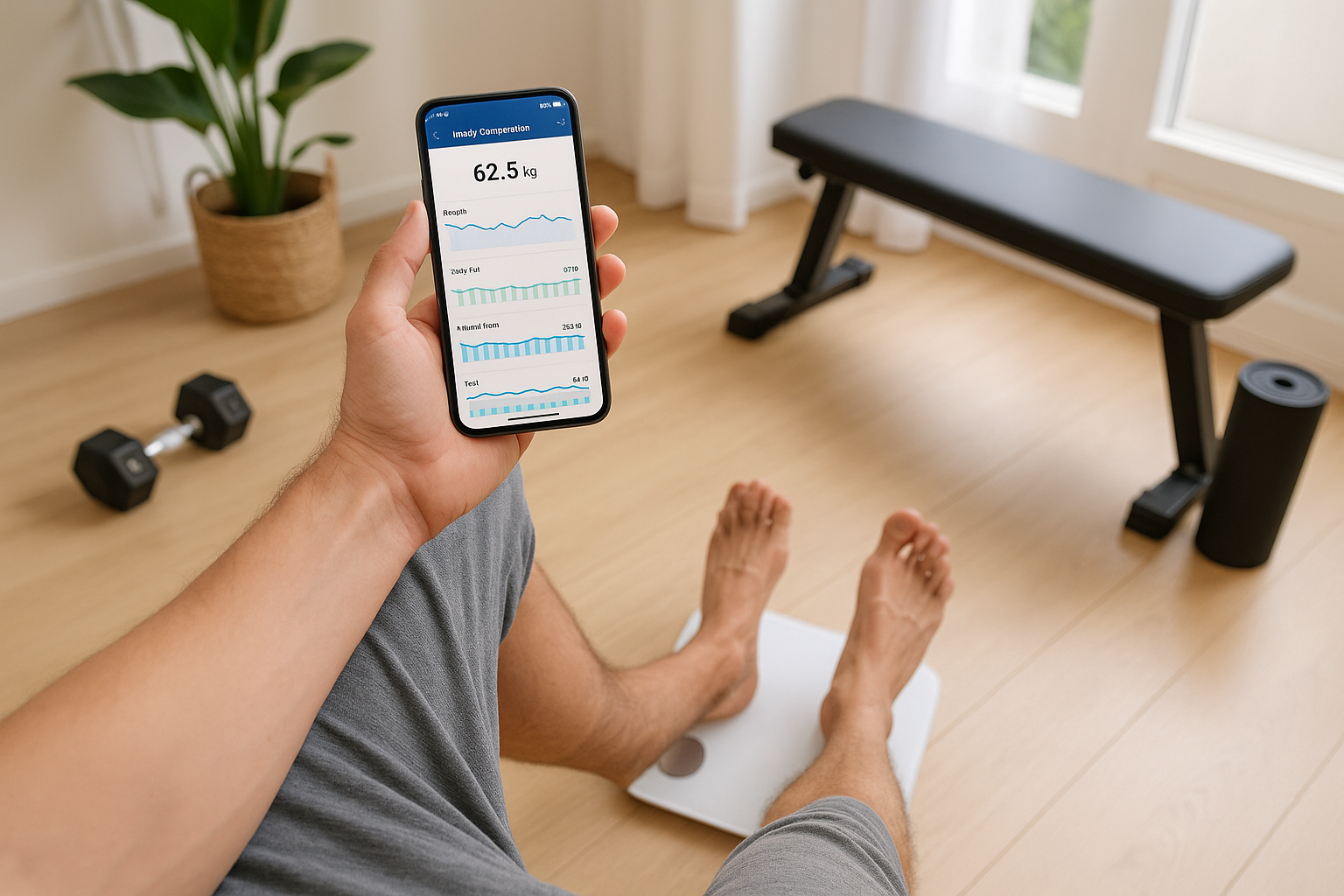
When you mainly train at home, your smart scale becomes your primary progress monitor, so it needs to be reliable and easy to use. Look for a model that measures multiple body composition metrics via BIA (bioelectrical impedance analysis), offers Bluetooth or Wi‑Fi connectivity, and supports multiple user profiles if you share your home gym. A good example is a Bluetooth-enabled scale with a large, easy-to-read display and a companion app that syncs automatically when you step on. Make sure the scale supports your preferred platform (iOS or Android) and integrates with popular fitness ecosystems like Apple Health, Google Fit or Fitbit, so all your home fitness data stays in one place.
Understanding body composition metrics beyond body weight
To get the most from your smart scale, you need to understand what the numbers actually mean. In addition to body weight, most good scales estimate body fat percentage, lean body mass, muscle mass, BMI, bone mass and body water. While single readings are never perfect, tracking their trends over time is extremely valuable. For example, if your weight is stable but your muscle mass is gradually increasing and body fat is slowly decreasing, your home workouts and nutrition are working, even if the scale does not move much. Focus on patterns over weeks rather than obsessing over daily fluctuations, and always interpret body composition estimates as guidelines, not medical diagnostics.
Setting up and using companion apps effectively
The power of a smart scale comes from its companion app. Look for apps that provide clear charts, easy trend analysis and automatic syncing. Many modern fitness scales pair with apps that log each weigh-in and show your progress curves for weight, fat and muscle. Use these apps to set realistic goals, such as dropping 1–2% body fat over a couple of months or gradually increasing your lean mass while following a home strength program. Enable data sharing with your other fitness apps so that your workouts, step count and sleep data can be compared with body composition changes. This helps you understand, for example, how consistent resistance training sessions in your home gym impact muscle mass and body fat over time.
Building a consistent at-home tracking routine
Even the best smart scale and app are useless without a solid tracking routine. To minimise noise in your data, weigh yourself under the same conditions: ideally first thing in the morning, after using the bathroom, before eating or drinking, and always barefoot. Because hydration levels can alter BIA readings, try to keep your schedule consistent and avoid measurements right after intense workouts or large meals. For home gym users, a practical approach is to weigh in three to five times a week and let the app calculate rolling averages. This smooths out daily fluctuations and gives you a more accurate picture of progress, especially during phases of muscle gain or fat loss.
Avoiding common tracking pitfalls and staying motivated
Many people misuse smart scales by fixating only on the weight number or expecting perfectly accurate body fat readings. Remember that consumer scales estimate composition and can be influenced by hydration, time of day and even skin temperature. Avoid comparing numbers from different devices and focus instead on relative changes on your own scale. Combine your scale data with simple progress photos, measurements (waist, hips, chest) and performance markers such as more push-ups or heavier lifts in your home gym. This multi-angle view makes it easier to stay motivated when the scale is slow to move, and helps you avoid drastic, unsustainable changes in diet or training based on a single reading.
Used wisely, smart scales and body composition apps can transform how you monitor your home fitness progress. By choosing a device with robust metrics and a strong app, learning what those numbers truly represent, and following a consistent, realistic tracking routine, you gain data that supports better decisions instead of anxiety. Combine these insights with structured home workouts and sensible nutrition, and you will be able to adjust your plan, stay accountable and celebrate the real, long-term changes happening in your body.