
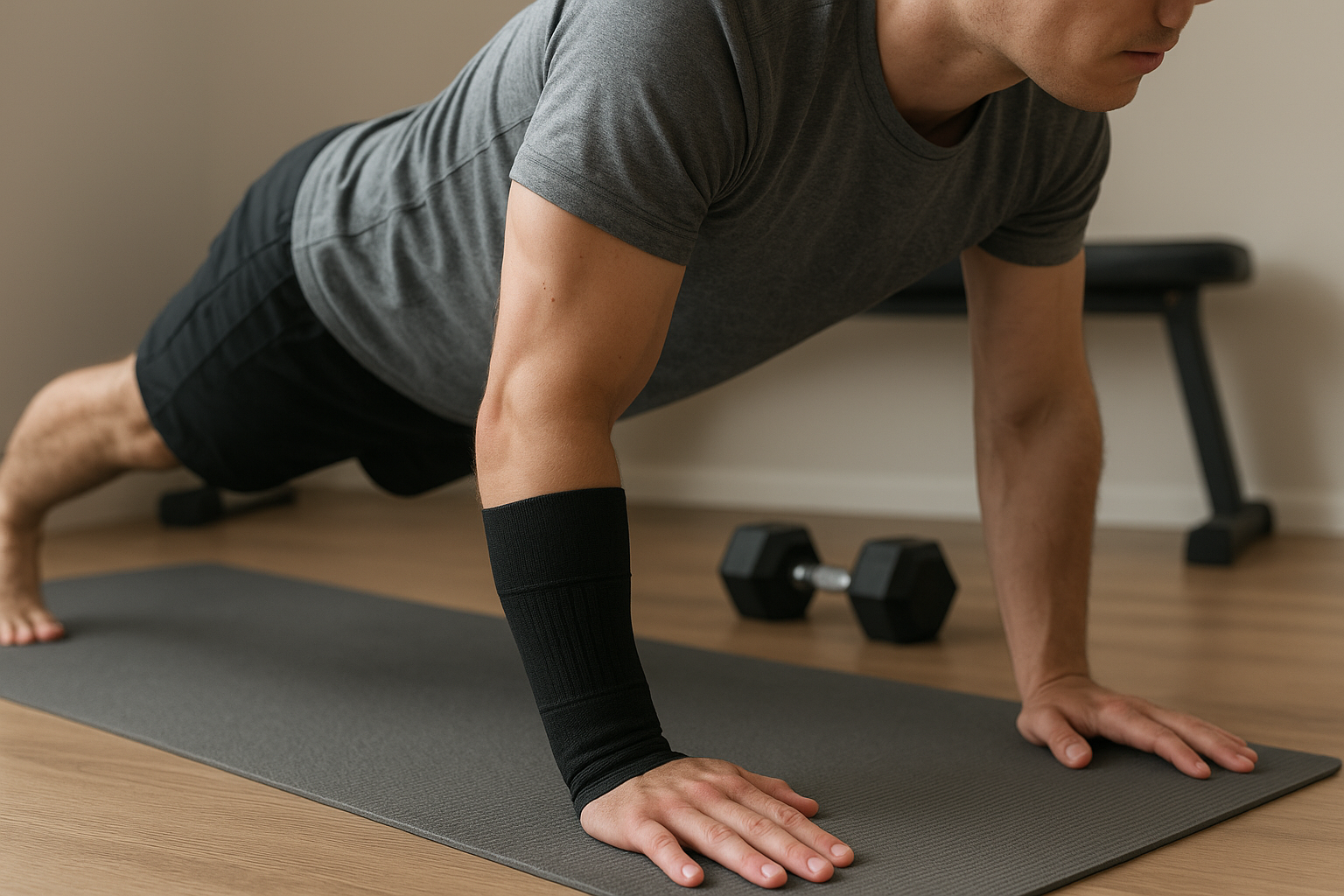
When you start taking your home workouts seriously, small details like joint comfort and stability become crucial. Ankle and wrist supports can offer compression, warmth, and a sense of security that sometimes makes the difference between a solid session and one cut short by discomfort. But they are not magic tools, and using the wrong type of support at the wrong time can actually hold your progress back. Understanding when compression gear helps, how much support you really need, and when to train without it is essential for safe and effective home training.
What compression sleeves and supports actually do
Compression ankle sleeves and wrist supports are designed to provide gentle pressure around a joint or muscle area. This pressure can improve your sense of joint position (proprioception), keep the area warmer, and reduce mild swelling during and after exercise. Flexible sleeves are usually made from breathable elastic fabrics and allow full movement, making them suitable for home strength training, bodyweight workouts, and light cardio. More structured supports, often called braces, use straps, stays, or splints to limit specific movements and stabilise the joint when you are recovering from a minor sprain or overuse issue. The key difference is that sleeves are about comfort and awareness, while braces are about restriction and protection.
When ankle and wrist supports can help your training
Compression gear becomes genuinely useful when you have a history of mild joint instability or are managing low‑grade aches that have been checked by a professional. For example, a light ankle support can give you confidence during home plyometric drills, step‑ups, or kettlebell swings if you have previously sprained that ankle. A soft wrist sleeve can improve comfort during push‑ups, planks, or dumbbell pressing where extended wrists feel irritated. They can also help if you stand or train for long periods on hard floors, as compression can limit mild swelling. Used correctly, these supports are not a shortcut but a tool to let you keep moving while you build long‑term strength and mobility around the joint with well‑planned exercises.
How to choose the right level of support
When selecting home compression gear, think in terms of three levels: light, moderate, and rigid. Light sleeves are thin, stretchy, and easy to pull on; they suit most home workouts where you want awareness and comfort without changing your technique. Moderate supports add adjustable straps or a thicker knit to provide extra stability for short training blocks or during a return‑to‑sport phase. Rigid braces with splints or firm stays should only be used under guidance, typically after injury, because they purposely limit motion. Check sizing charts carefully: too tight and you risk numbness or tingling; too loose and you lose the benefits of compression. Prioritise breathable materials, low bulk (so they fit under clothing or around shoes), and designs that allow you to perform your usual home exercises without pinching or slipping.
When you should avoid or limit supports
There are times when ankle and wrist supports are not just unhelpful but counterproductive. If you rely on a brace for every workout without addressing underlying weakness or poor technique, you may allow stabilising muscles to become deconditioned, increasing your risk of future issues. Avoid tight compression over open wounds, acute unexplained swelling, or areas that feel hot and very painful; these situations require medical assessment, not more pressure. People with circulation problems, diabetes‑related nerve issues, or skin conditions should speak with a healthcare professional before using compression gear. Finally, remember that braces are not a substitute for proper warm‑ups, progressive loading, or good exercise form in your home gym routine.
Integrating supports into your home workout plan
Think of wrist and ankle supports as part of a broader strategy rather than a standalone solution. Use them during specific home sessions that challenge your joints the most, such as high‑rep push‑ups, kettlebell work, skipping, or balance drills, while scheduling other sessions without supports to keep your stabilisers engaged. Combine compression gear with targeted strength exercises – for example, calf raises and single‑leg balance work for ankles, or wrist flexor and extensor training for wrists – and include mobility drills that keep the joint moving well. Rotate between periods of use and non‑use so you rely on your own muscle control rather than the sleeve. Over time, the goal is to need external support less often, using it mainly for heavy days or temporary flare‑ups.
Home ankle and wrist supports can be a smart addition to your fitness toolkit when used thoughtfully. Compression sleeves and braces offer warmth, awareness, and protection that may let you keep training consistently while managing minor issues. However, they should never replace sound technique, progressive strength work, or medical guidance when symptoms are serious. Choose the minimum effective level of support, pay attention to how your joints feel during and after sessions, and treat compression gear as a temporary aid rather than a permanent crutch. Used in this way, supports can enhance your confidence and comfort as you continue to build strength and resilience in your home gym.









