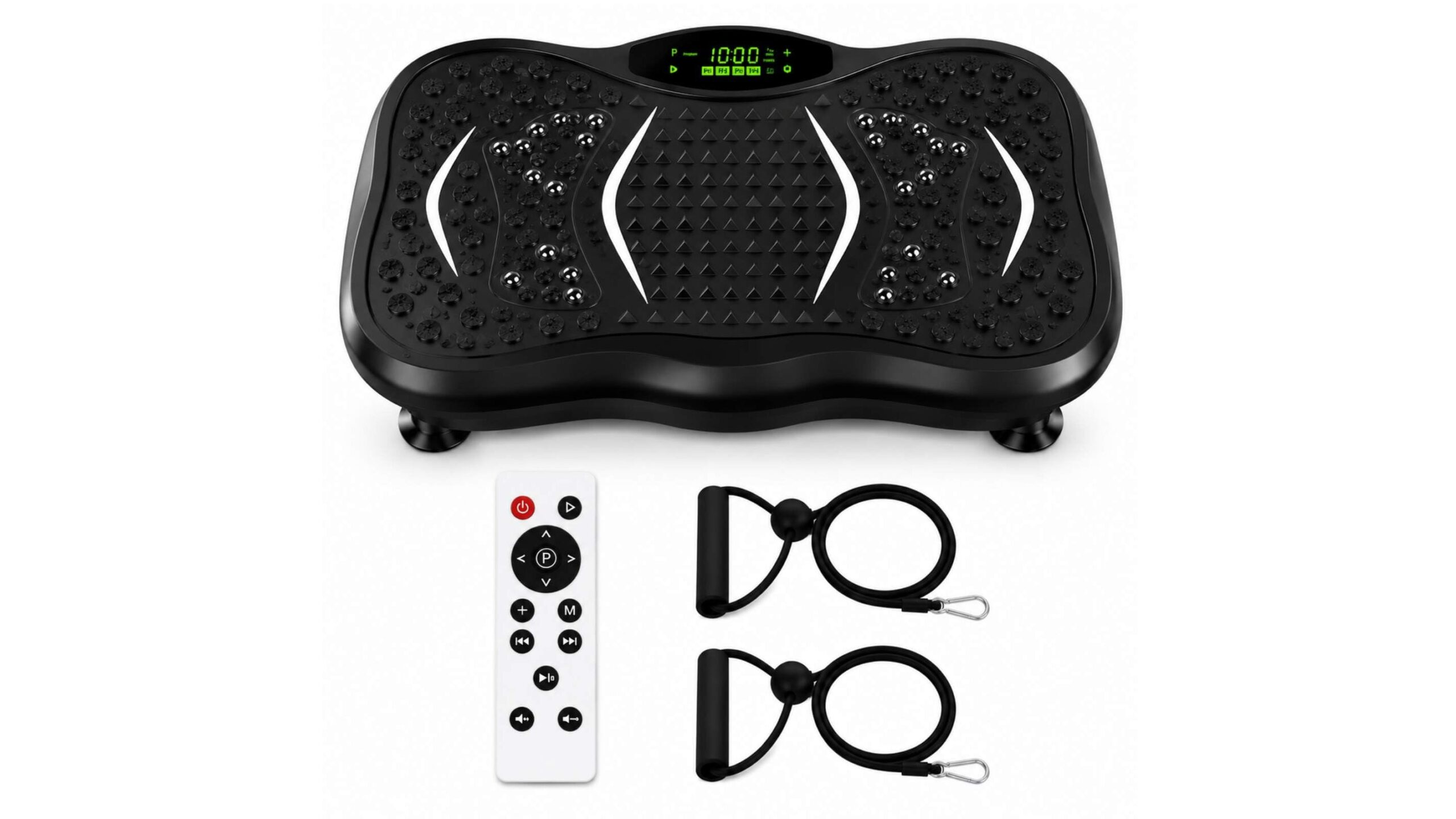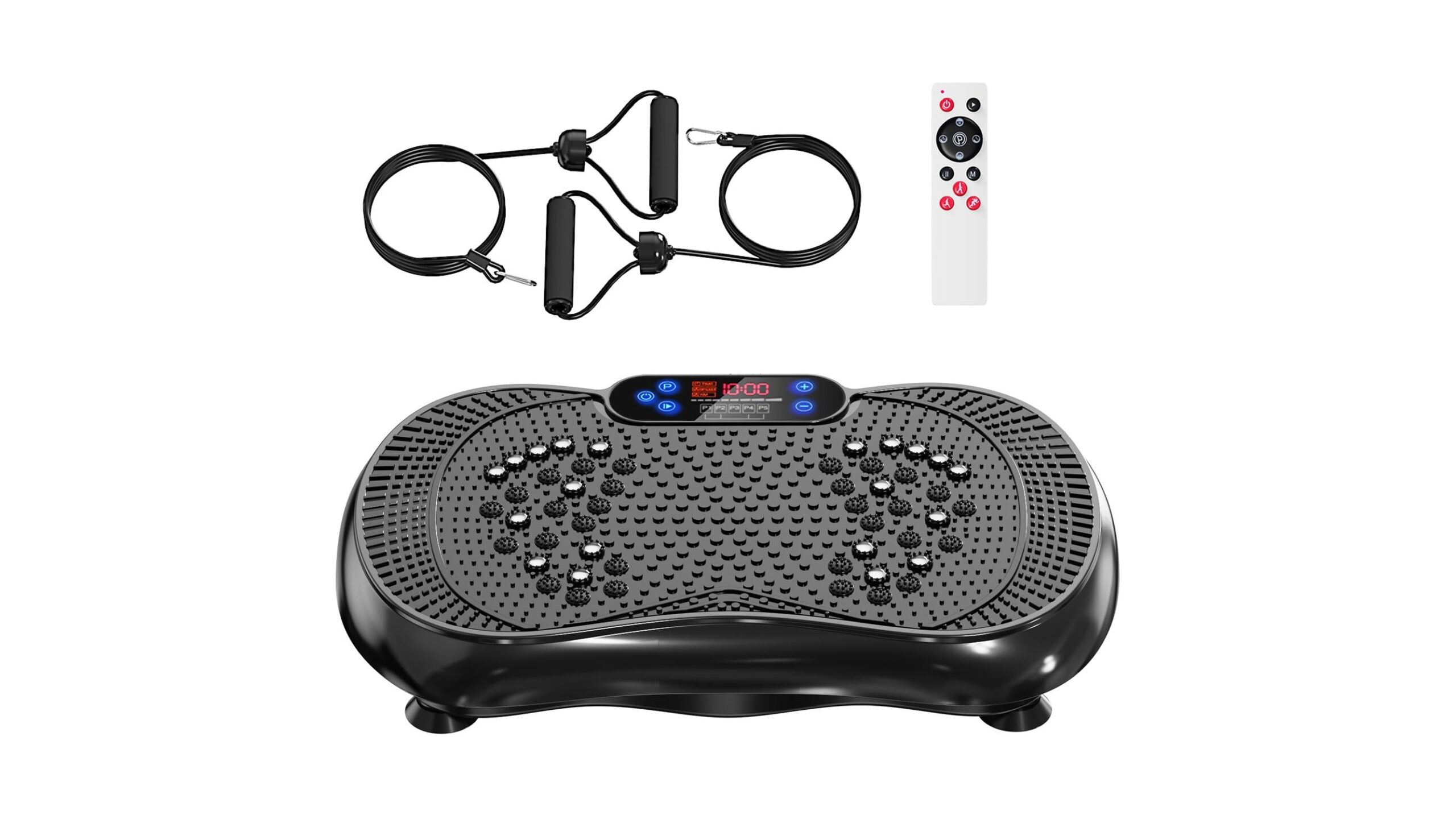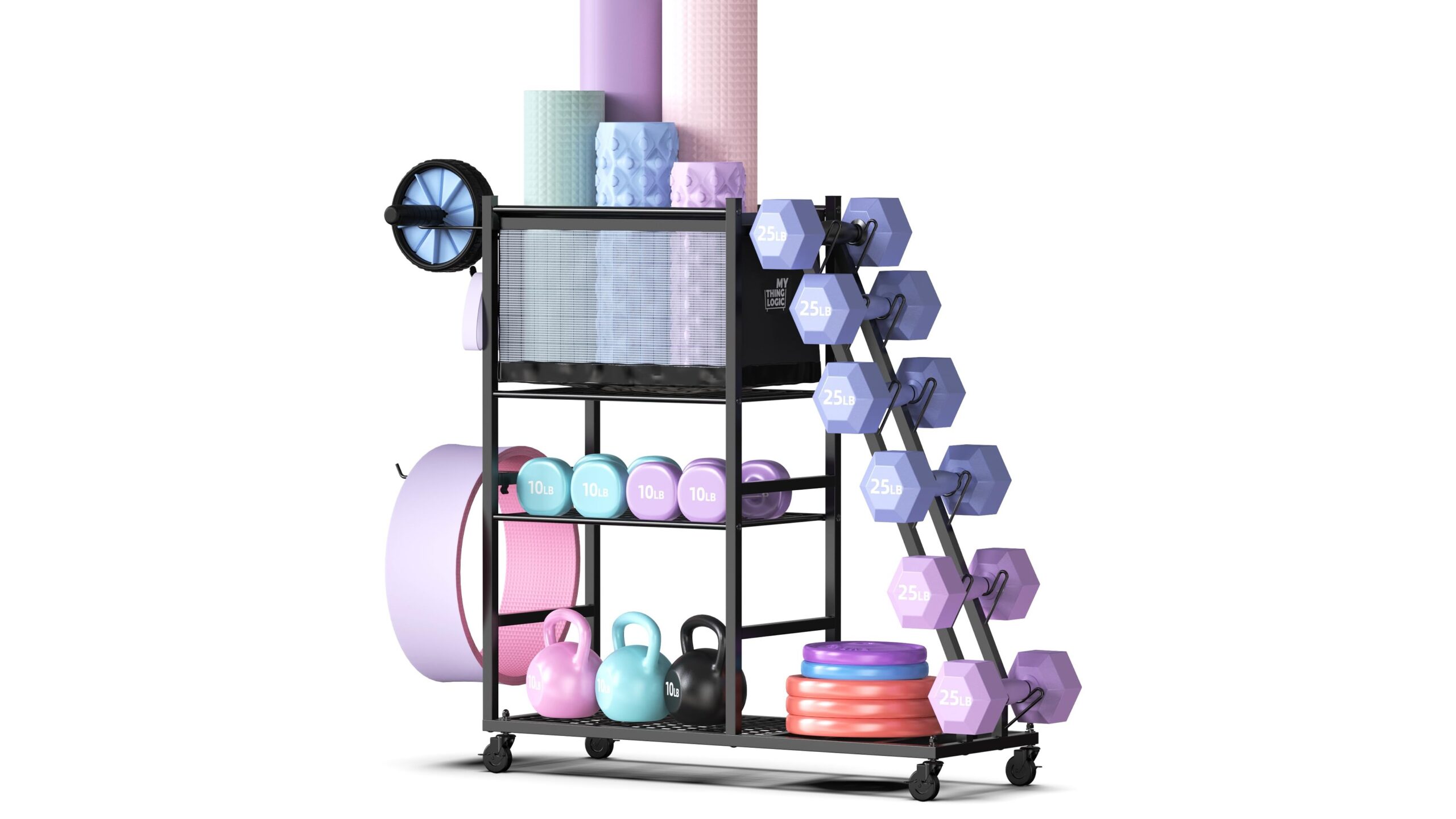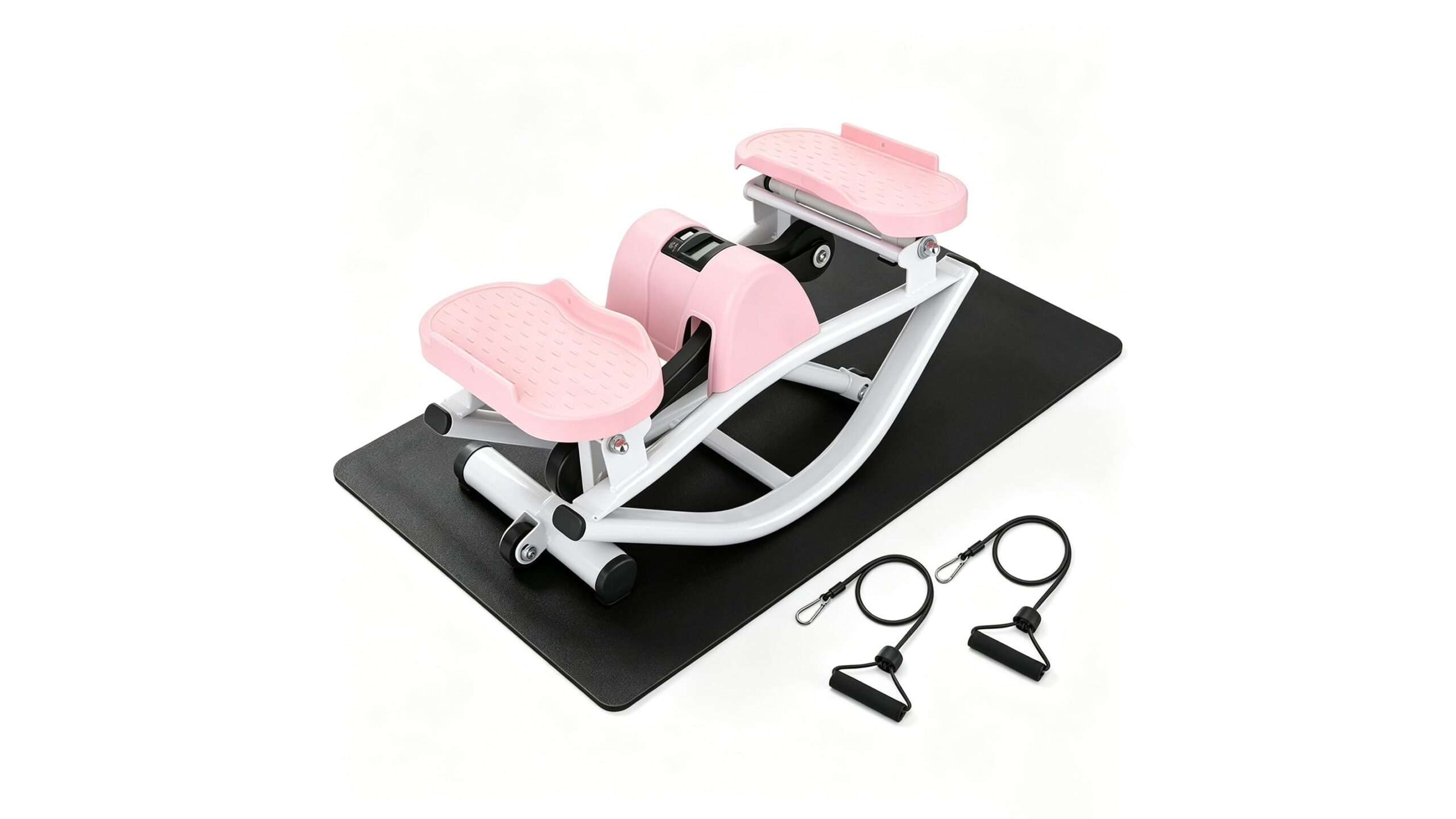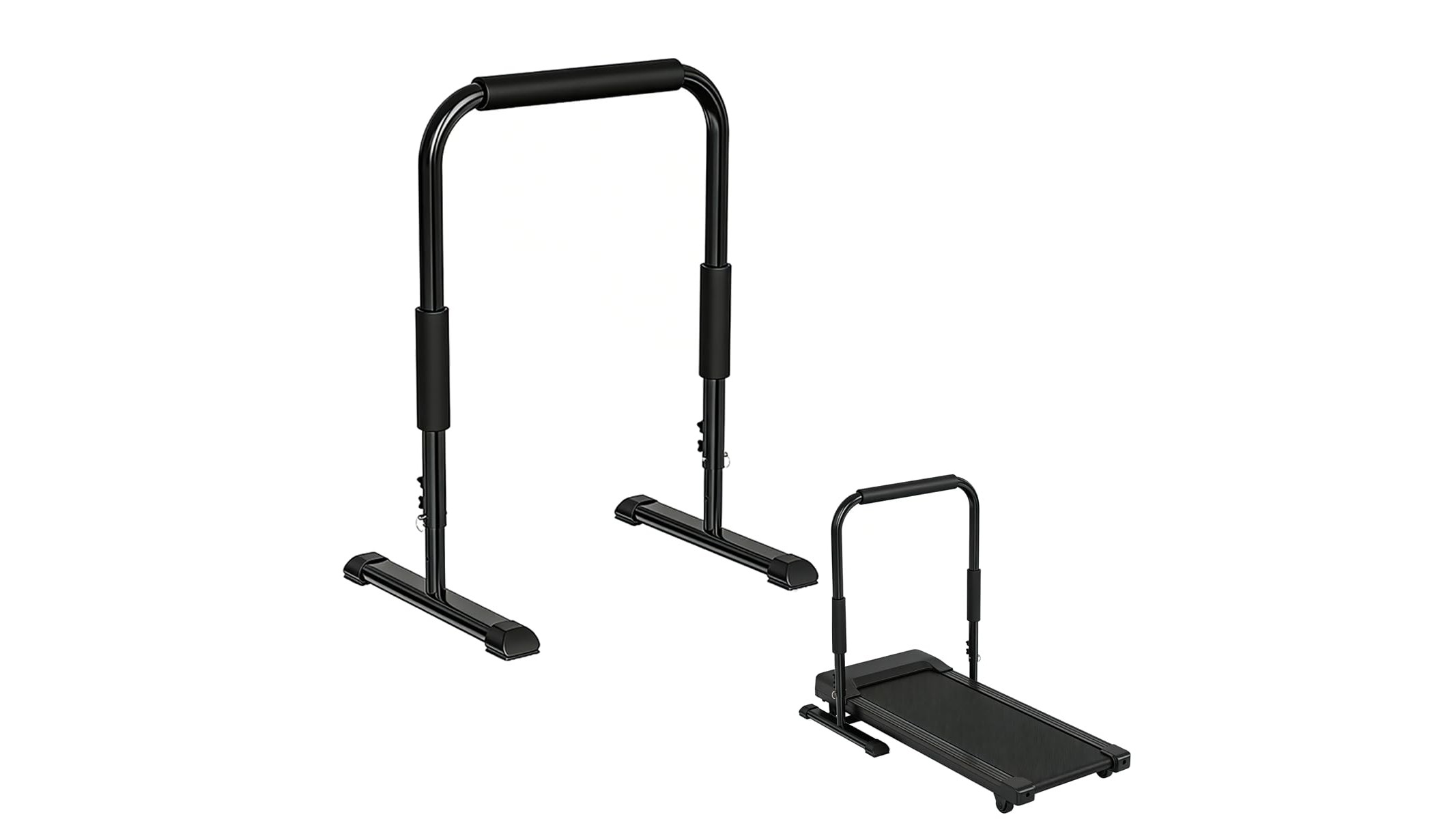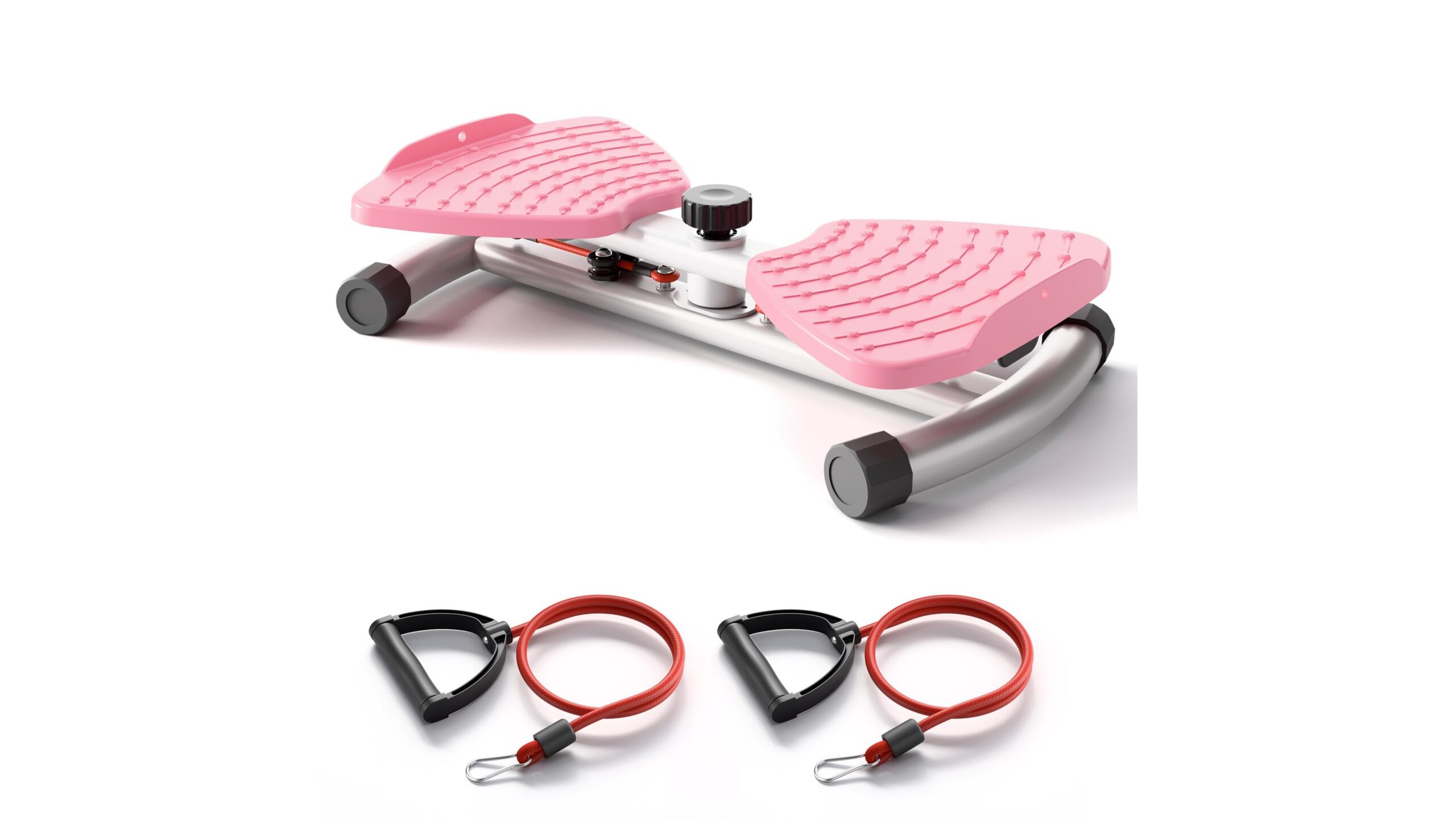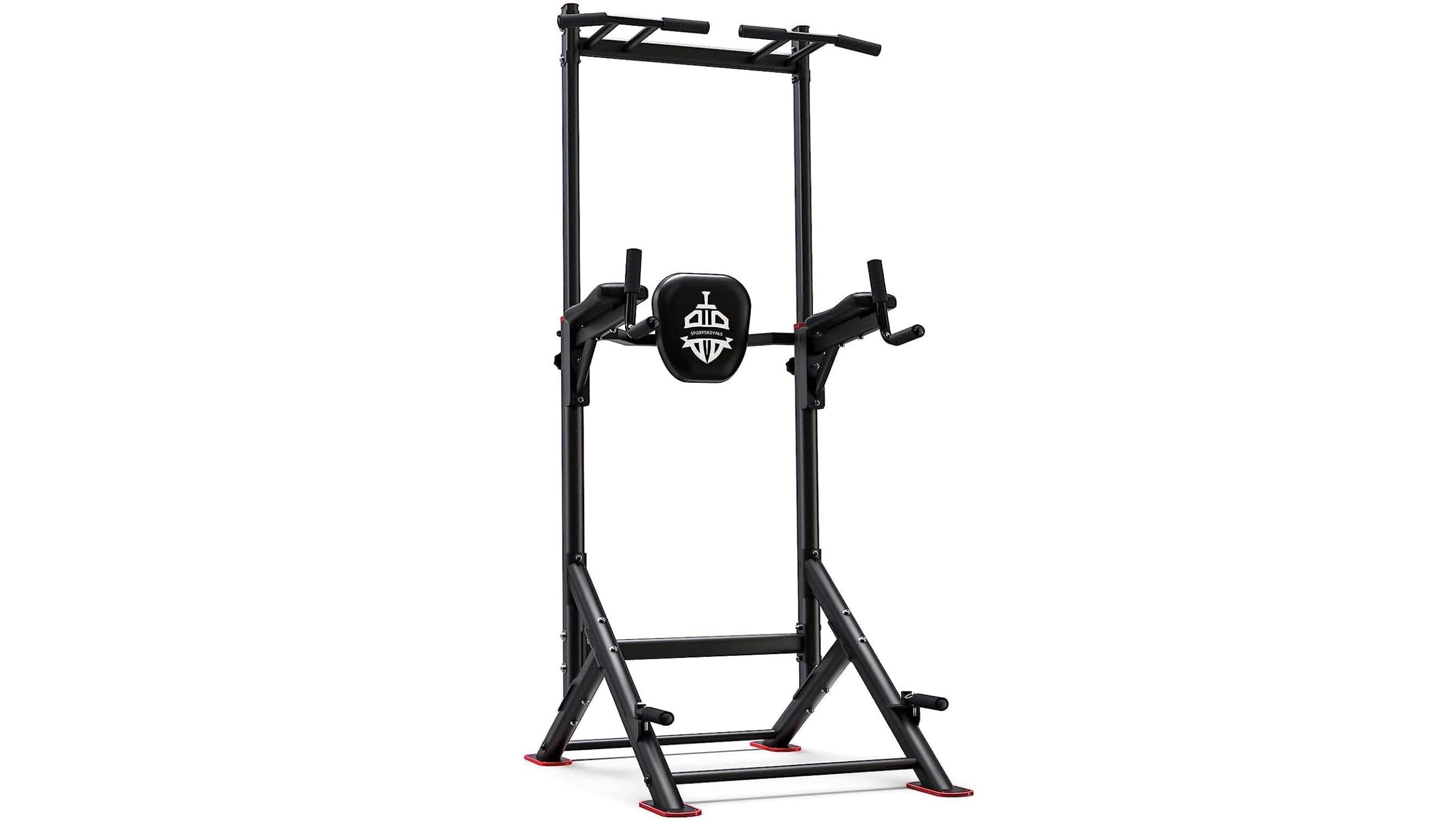
Building a home gym that actually supports long‑term strength training means choosing the right multi gym station. In 2026 the best options balance compact footprints, smooth resistance and smart safety features, so you can lift confidently without turning your living space into a commercial facility. Below we break down key types of multi gyms—from cable machines to power racks and all‑in‑one towers—plus what to consider for space, progression and everyday usability.
Table of contents
Compact cable stations for full‑body versatility
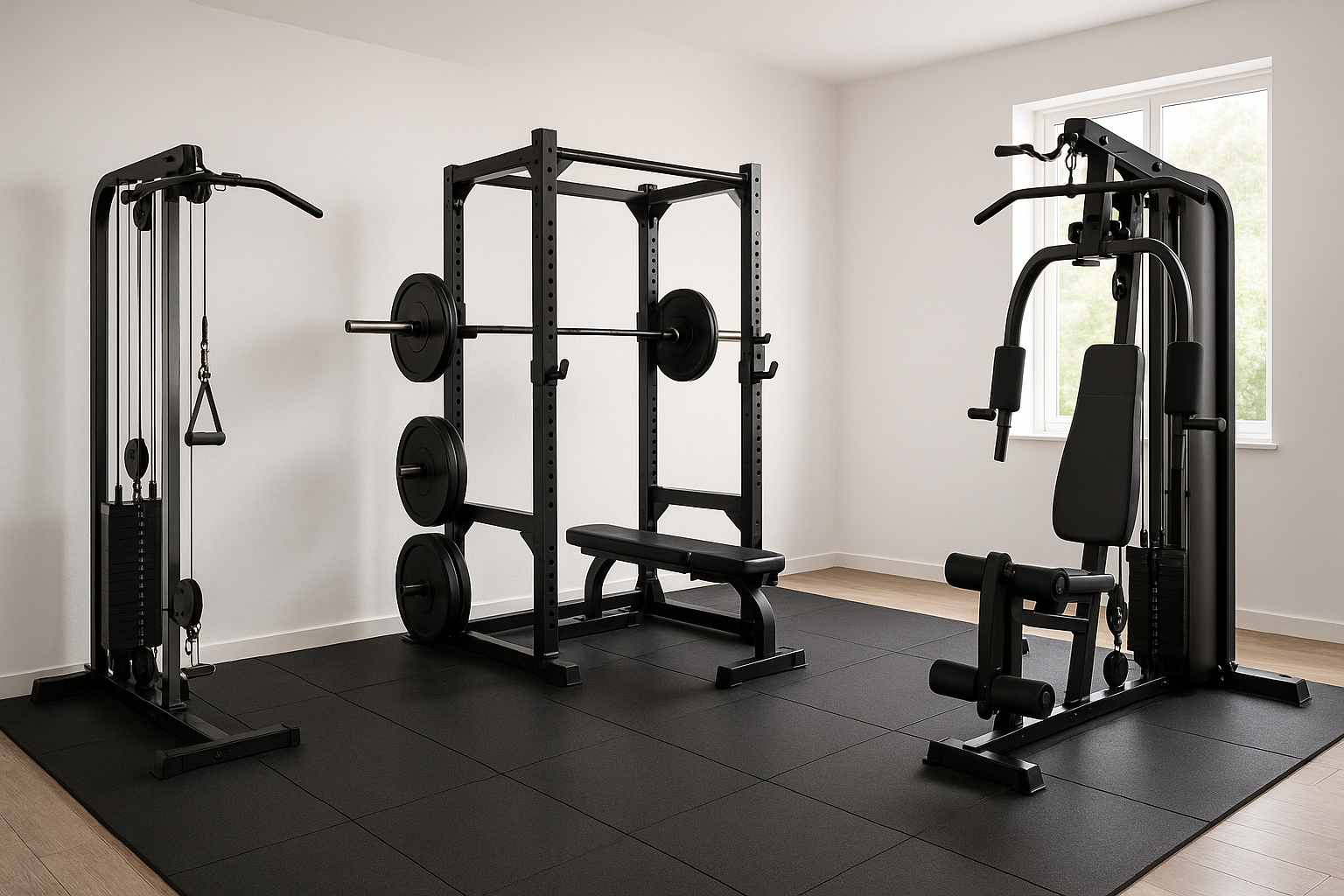
For most home users, a compact cable machine offers the best mix of space efficiency and exercise variety. A typical dual‑pulley station lets you perform presses, rows, curls, triceps work, lateral raises and core rotations in a footprint small enough for a spare room. Look for smooth weight stacks, easily adjustable pulleys and a sturdy frame with a wide base for stability. A good cable station should support unilateral and bilateral work, allowing you to correct imbalances and train through natural movement paths. Prioritise models with clearly labelled weight stacks and quick‑change attachments so switching between users and exercises during a circuit feels seamless.
Power racks as the backbone of a strength‑focused home gym
If your priority is heavy barbell training, a power rack plus accessories effectively becomes a multi gym. A well‑designed rack lets you squat, bench, overhead press, deadlift from safeties and perform rack pulls, while also integrating pull‑up bars and optional cable attachments. Choose a rack with robust uprights, multiple Westside‑style hole spacings around bench height and high‑quality safety arms or straps so you can train solo without a spotter. Add-ons like dip handles, landmine attachments and plate storage further expand versatility without taking extra floor space. Make sure your ceiling height can accommodate standing presses and pull‑ups before committing.
All‑in‑one towers to maximise space in small rooms
For apartments or shared spaces, an all‑in‑one home gym tower condenses many stations into a single vertical unit. These towers typically combine a lat pulldown, low row, chest press arm, leg extension and sometimes a pec‑deck, driven by a single or dual weight stack. While they may not allow the same loaded barbell work as a power rack, they shine for guided, joint‑friendly movements and clear exercise paths, which is helpful for beginners or those returning from injury. When comparing towers, check the maximum user weight and stack load, the adjustability of seats and backrests, and whether the machine allows both upper‑ and lower‑body training without awkward repositioning.
Key buying criteria: space, safety and progression
Before you fall in love with any specific multi gym station, measure your available floor space and ceiling height, and leave room to move around the machine and load plates safely. Prioritise safety features such as solid welds, anti‑tip designs, secure locking pins and non‑slip footplates. For progression, check the weight stack or plate capacity and how easily you can micro‑load—small jumps in resistance keep training productive over months and years. Consider whether multiple people will share the setup; in that case, look for fast adjustments on seats, pulleys and J‑cups. Finally, think about noise: smooth pulleys, rubber stops and well‑covered stacks matter if you’re training early or late in a shared home.
Designing a balanced 2026 home strength setup
The best 2026 home strength setup usually combines one main multi gym with a handful of smart accessories. Pair a compact cable station or all‑in‑one tower with a flat or adjustable bench, a small set of dumbbells and resistance bands to cover warm‑ups, isolation work and rehab exercises. More advanced lifters can add a barbell and plates if the frame allows safe integration. Aim for a mix of push, pull, hinge, squat and core movements that you can perform without moving furniture every session. By planning around your room, your goals and how you like to train, you’ll get far more value from a single, well‑chosen station than from collecting random standalone machines.
In summary, upgrading your home strength setup in 2026 is less about chasing the flashiest machine and more about choosing the right multi gym station for your space, goals and experience level. Compact cable stations offer unmatched versatility, power racks anchor serious barbell work, and all‑in‑one towers shine in tight spaces. Focus on safety, progression and everyday usability, and you’ll build a home gym that keeps you training consistently—and progressing—for years to come.