Designing a home gym in a small room often comes down to one big decision: which compact power rack to buy so you can squat, bench and press safely. A good rack gives you the freedom to lift heavy without a spotter, even if your training space is just a corner of a spare room or garage. In this guide we’ll look at the key safety features, how to measure your room and ceiling, and what accessories really matter for effective strength training in tight spaces.
Table of contents
Why a compact rack is essential for safe home lifting
A compact power rack or half rack is the backbone of a serious home gym because it lets you perform squats, bench press and overhead work inside a controlled, stable structure. Unlike free-standing uprights or cheap stands, a proper rack has safeties that catch the bar if you fail a rep, protecting your ribs, shoulders and lower back. This is especially important when training alone. Compact designs minimise depth and footprint while retaining a strong frame, so you get most of the functionality of a full rack without taking over your entire room. For most lifters, a small but solid rack is a better long‑term buy than multiple flimsy pieces of equipment.
Key safety features to look for in a small-space rack
When choosing a compact rack for home use, prioritise safety over extra gimmicks. Look for adjustable safety bars or spotter arms that can be set just below the bottom of your squat and bench range of motion. These should be made from thick steel, fit tightly in the uprights and be easy to move between holes. A stable base design with a wide footprint, cross-bracing or the option to bolt to the floor or wall dramatically reduces wobble. Check the stated load rating and pick a rack comfortably above your current strength level to allow future progress. Finally, clearly numbered holes on the uprights make it much easier to set safeties and J‑cups at the same height every session, which reduces setup errors and risk.
Space planning, footprint and ceiling height
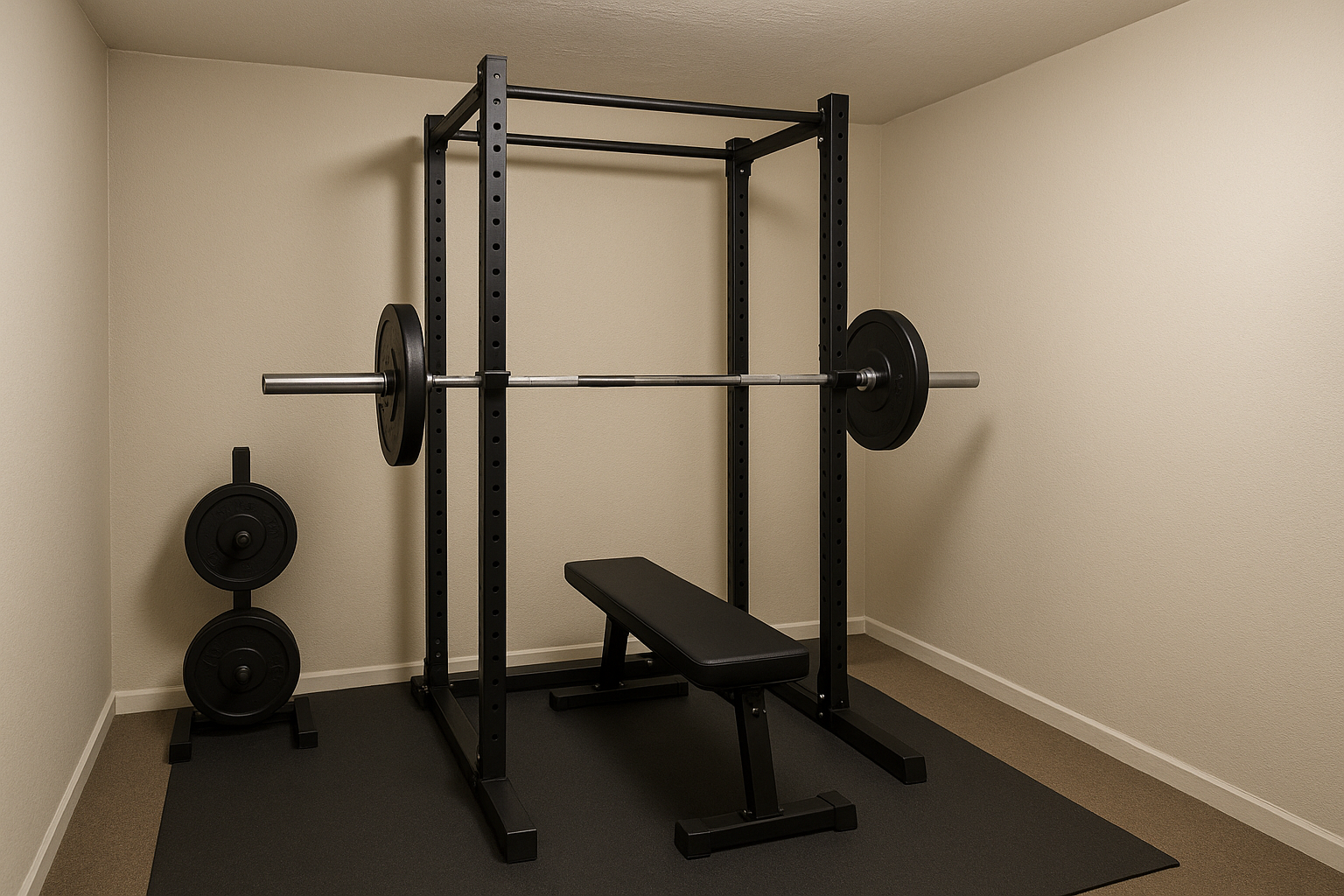
Before buying, take a tape measure and map out your training area. Measure width, depth and ceiling height where the rack will stand. Many compact racks have a footprint around 120 cm wide and 100–140 cm deep, but you must also allow space for a barbell and plates to move freely. Remember that the bar extends beyond the rack on both sides, so avoid placing it too close to walls or furniture. For ceiling height, consider your own height plus overhead press lockout position and any pull-up bar on top of the rack. Low ceilings may rule out tall full cages, making a half rack or shorter compact rack a better option. Also think about the direction of entry: you need room to walk the bar in and out and to slide a weight bench inside for pressing.
Barbell compatibility and must‑have accessories
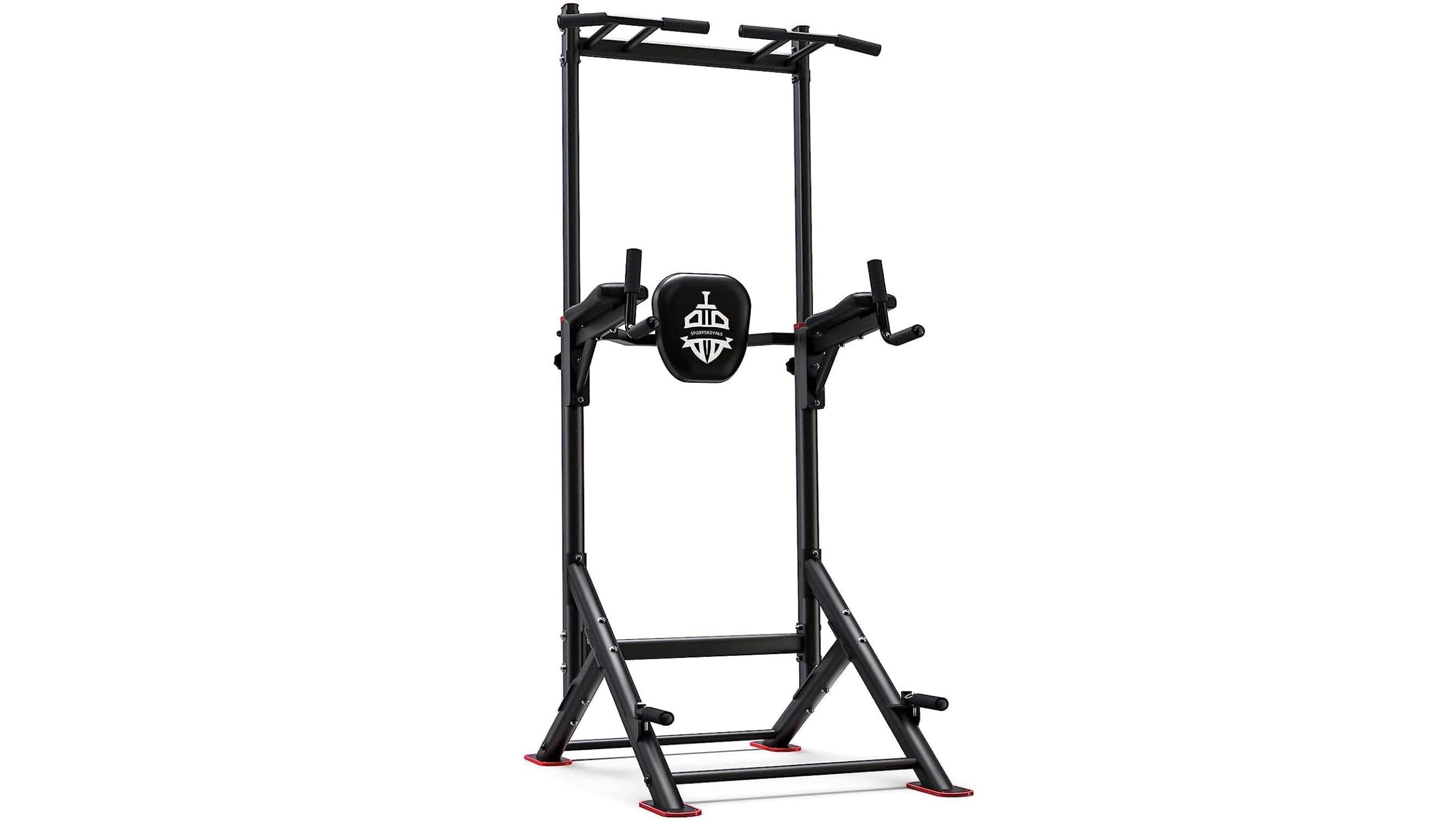
A good compact rack must work smoothly with your barbell and main exercises. Check the width between uprights (typically sized for a standard 7‑ft bar) and ensure the J‑cups are deep and padded enough to protect the bar’s knurling. Essential accessories include J‑cups, safety bars or spotter arms and a pull‑up bar if overhead clearance allows. Many lifters also benefit from weight plate storage pegs to keep plates tidy without increasing the rack’s footprint too much. If you plan to do bench press, confirm that your bench fits comfortably inside the rack and that you can position the safeties correctly for your chest level. Optional extras like dip handles and landmine attachments can add variety, but they should come after you have the core safety pieces in place.
Training versatility in small spaces: squats, bench and pulls
A thoughtfully chosen compact power rack makes it possible to run a full strength programme in a very limited space. For squats, you can set the J‑cups at shoulder height, walk the bar out and rely on the safeties to catch missed reps. For bench press, slide your bench inside, position the bar over your eyes and adjust safeties a few centimetres above your chest so you can escape a failed lift. With a pull‑up bar, you add vertical pulling for back and grip strength; if ceiling height is restrictive, band‑assisted rows or inverted rows using the safeties are effective alternatives. By combining barbell lifts, pull‑ups or rows and simple accessories, you can build a highly efficient training setup that rivals many commercial gyms while occupying only a small footprint in your home.
In summary, the right compact or half rack for a home gym balances safety, stability and versatility within your available space. Focus on robust construction, reliable safeties and compatibility with your barbell and bench rather than flashy extras. Carefully measure your room and ceiling, plan the rack’s position and think through how you will squat, bench and pull week after week. Investing a bit of time up front in choosing a solid, space‑efficient rack will give you a dependable training station that supports consistent progress and safer heavy lifting in your home gym.