
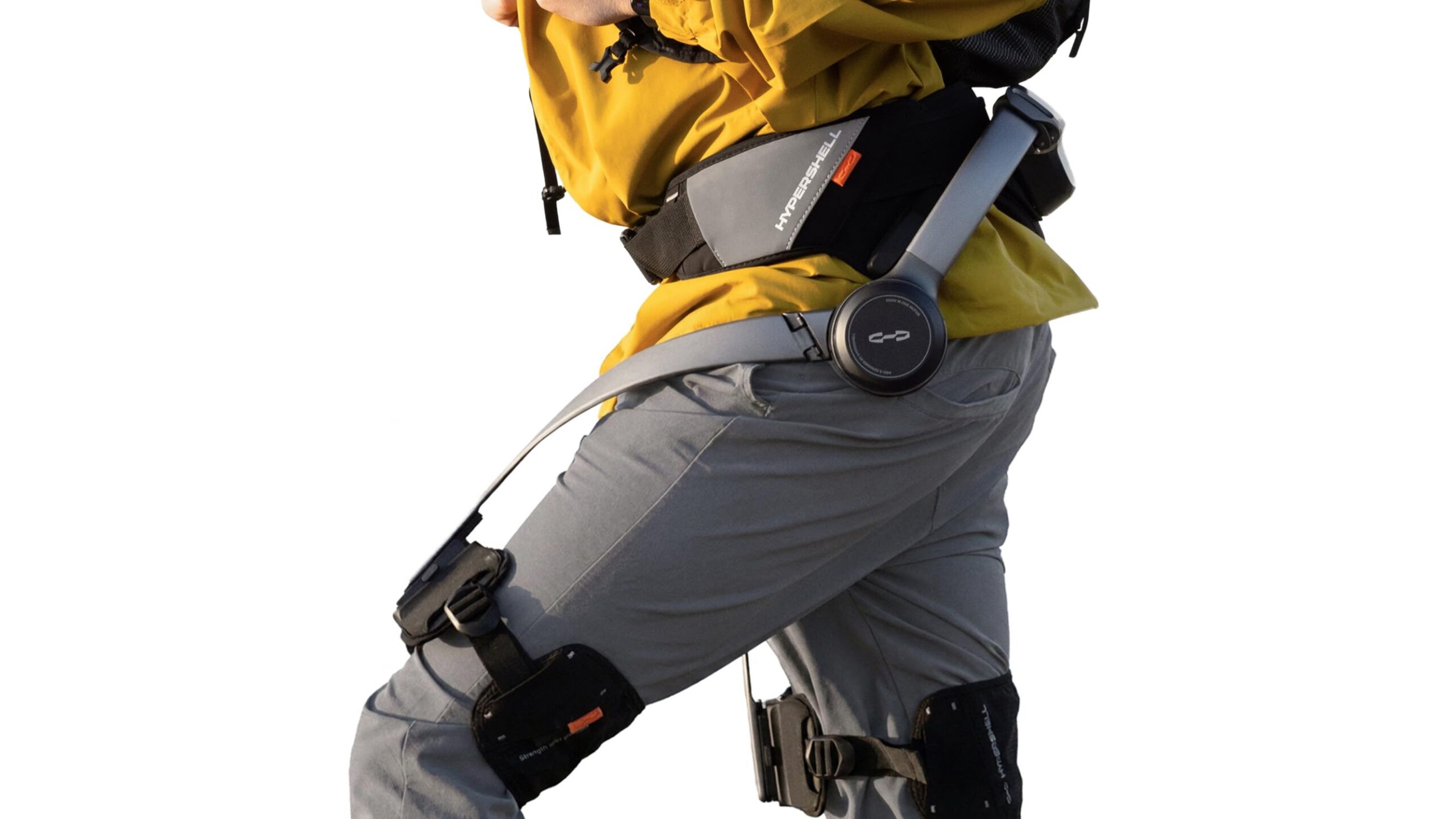
The Hypershell X Pro S is a wearable walking exoskeleton designed to assist movement with adaptive power rather than constant force. Its 800W system offers 10 modes, while the included battery is rated for up to 17.5 km in Eco Mode under test conditions. Amazon lists it at €909.61, 16% off; the product page advertises up to 30% less physical exertion in controlled testing, though results may vary. View the Hypershell X Pro S on Amazon.
Hypershell X Pro S: price, deal and Amazon discount
The listed price is €909.61, with a stated 16% discount—a saving of approximately €173.26 against the implied pre-discount price. The listing does not provide enough information to compare its price with other products in the same category. It also gives no details about instalment payments, coupons, a promotion end date, Prime eligibility or the returns period, so check the Amazon checkout and product page for current terms before ordering.
Hypershell X Pro S: technical features
If you want walking assistance for everyday outings or light outdoor activity, these are the main advertised features to weigh up:
- 800W adaptive assistance and 10 modes: choose support for walking, stairs, slopes, commuting, cycling and light outdoor activities.
- HyperIntuition gait response: the brand reports assistance responding in as little as 0.31 seconds, with 97.5% gait synchronisation, to follow starts, stops and pace changes.
- Up to 17.5 km tested range: the included 72Wh battery reaches this figure in Eco Mode at 30% assistance under test conditions; actual range may vary.
- Approx. 2.6 kg carbon-fibre and aluminium frame: the stated weight and soft wearing system are intended to balance portability with secure, natural leg movement. Check fit before buying; sizing details are not provided here.
- IP54 resistance and app controls: protection against dust and splashes, plus mode and assistance adjustments through the Hypershell+ App or onboard buttons.
- Important limitation: this device is not for medical use. The advertised exertion and heart-rate reductions come from controlled testing and may not reflect individual results.









