If you train at home, recurring app fees can quickly eat into the same budget you’d rather use for dumbbells, bands or a pull-up bar. The good news: there are several low-cost fitness apps that either charge a small one‑time fee or keep subscriptions extremely affordable, while still offering structured home workout programs for strength, mobility, yoga and cardio. Below is an overview of some of the best options and what to consider before you commit.
Why budget fitness apps are ideal for home gyms
When you train in a home gym, you need an app that is flexible, simple to follow on a phone or tablet and doesn’t lock features behind endless upsells. Budget‑friendly apps with one‑time purchases or low annual plans are perfect for this: they let you direct most of your money into equipment instead of software. Look for apps that store workouts offline, so you’re not dependent on Wi‑Fi in the garage or spare room, and that support basic kit like dumbbells, resistance bands and bodyweight only. A clear exercise library, timers and the ability to track progress session by session are more important than flashy graphics.
Strength training on a budget
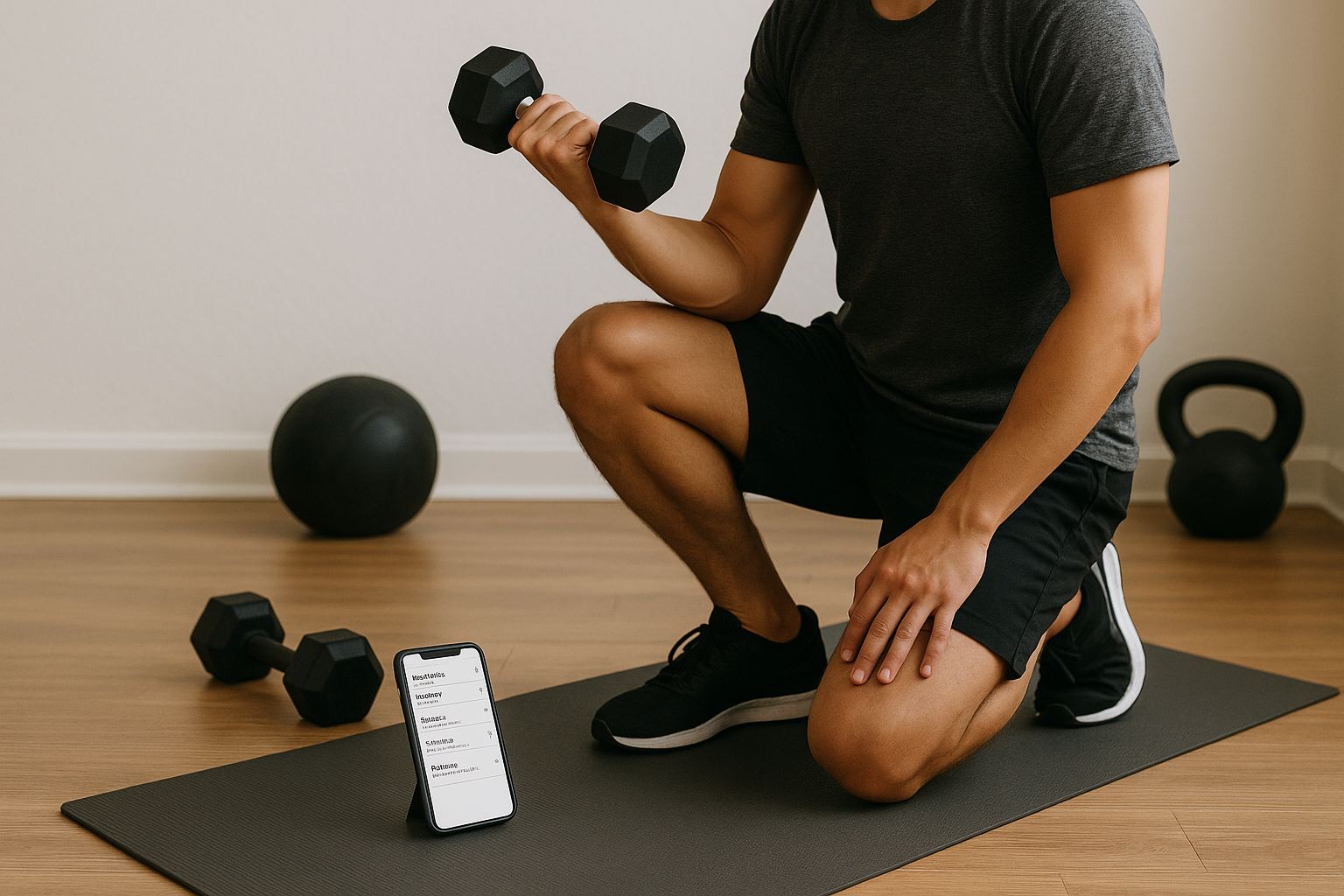
For lifters building strength in a home gym, programs that emphasise progression over time are essential. Many budget apps offer pre‑built plans for 3–4 sessions per week, tracking sets, reps and rest periods without needing an expensive subscription. Choose apps that allow you to log custom exercises, so you can adapt sessions to a simple bench, a pair of adjustable dumbbells or a barbell setup. Prioritise those that include video demonstrations and coaching cues for major compound lifts like squats, rows and presses, as well as beginner‑friendly bodyweight routines. This balance lets you start with minimal kit, then scale up as your home gym grows.
[p] [/p]
Low-cost apps for mobility and yoga
Staying consistent with mobility and yoga is easier when routines are short, predictable and available without a pricey membership. Many budget apps focus on 10–20 minute flows that slot neatly around strength or cardio workouts, with options targeting tight hips, shoulders and lower back. Look for apps that allow you to download sessions, so you can follow along in any room without streaming, and that categorise classes by level and duration. A good library of beginner yoga, desk‑worker stretches and pre‑/post‑workout mobility can dramatically improve your recovery and lifting technique, all while costing less than a single in‑person class.
Cardio, HIIT and minimalist home workouts
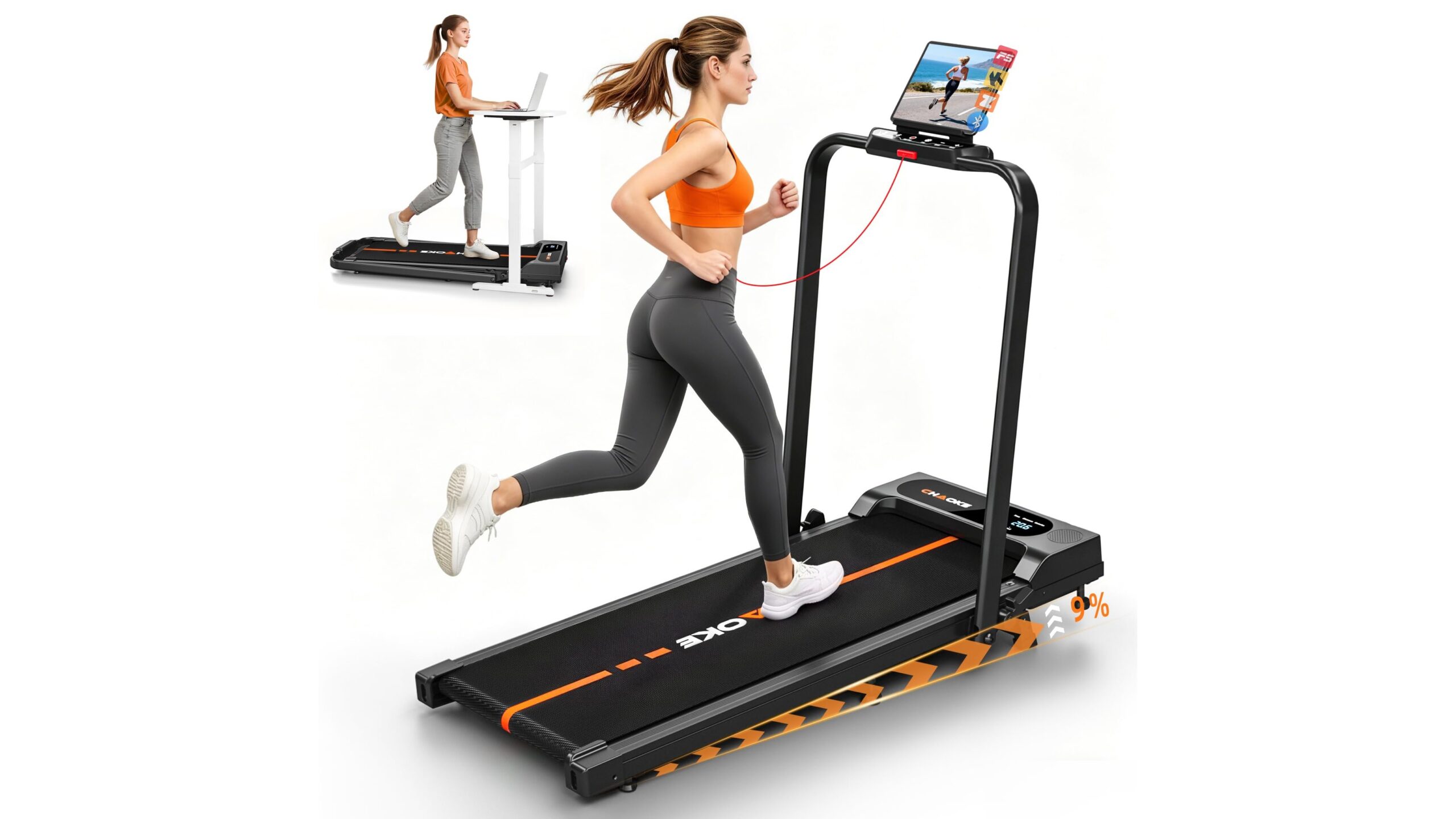
If you rely on bodyweight circuits, a skipping rope or basic cardio kit, budget apps can provide interval timers, HIIT sessions and follow‑along workouts without a monthly fee. Many low‑cost solutions include built‑in Tabata and EMOM timers, custom interval builders and pre‑written routines for small spaces. Focus on apps that do not require a specific branded device, so they integrate easily with whatever you already own, from a basic exercise bike to a second‑hand treadmill. Short, intense sessions of 15–30 minutes are ideal for busy schedules and can be repeated or combined with strength and mobility plans for a complete home training week.
Pros, cons and privacy considerations
Budget fitness apps shine because they keep costs low, often work well offline and avoid tying you to a specific gym chain. However, they may lack the depth of coaching or real‑time feedback found in premium platforms, and some rely heavily on user‑generated plans. Before you download, review the privacy policy: check what health data is collected, whether it is shared with third parties for advertising and if you can export or delete your records. Prefer apps that store minimal personal information, use secure logins and allow local backups of your workouts. A cheap app is only a good deal if it also respects your data privacy and gives you long‑term access to your training history.
In summary, the best budget fitness apps for home workouts are those that give you structured strength, mobility, yoga and cardio plans without locking you into an expensive subscription. Prioritise clear programming, offline access and honest privacy practices over glossy marketing. With a thoughtful choice, you can build a sustainable home training routine that supports your goals, protects your data and leaves more of your budget free for the only thing that really matters in a home gym: the equipment you actually use.