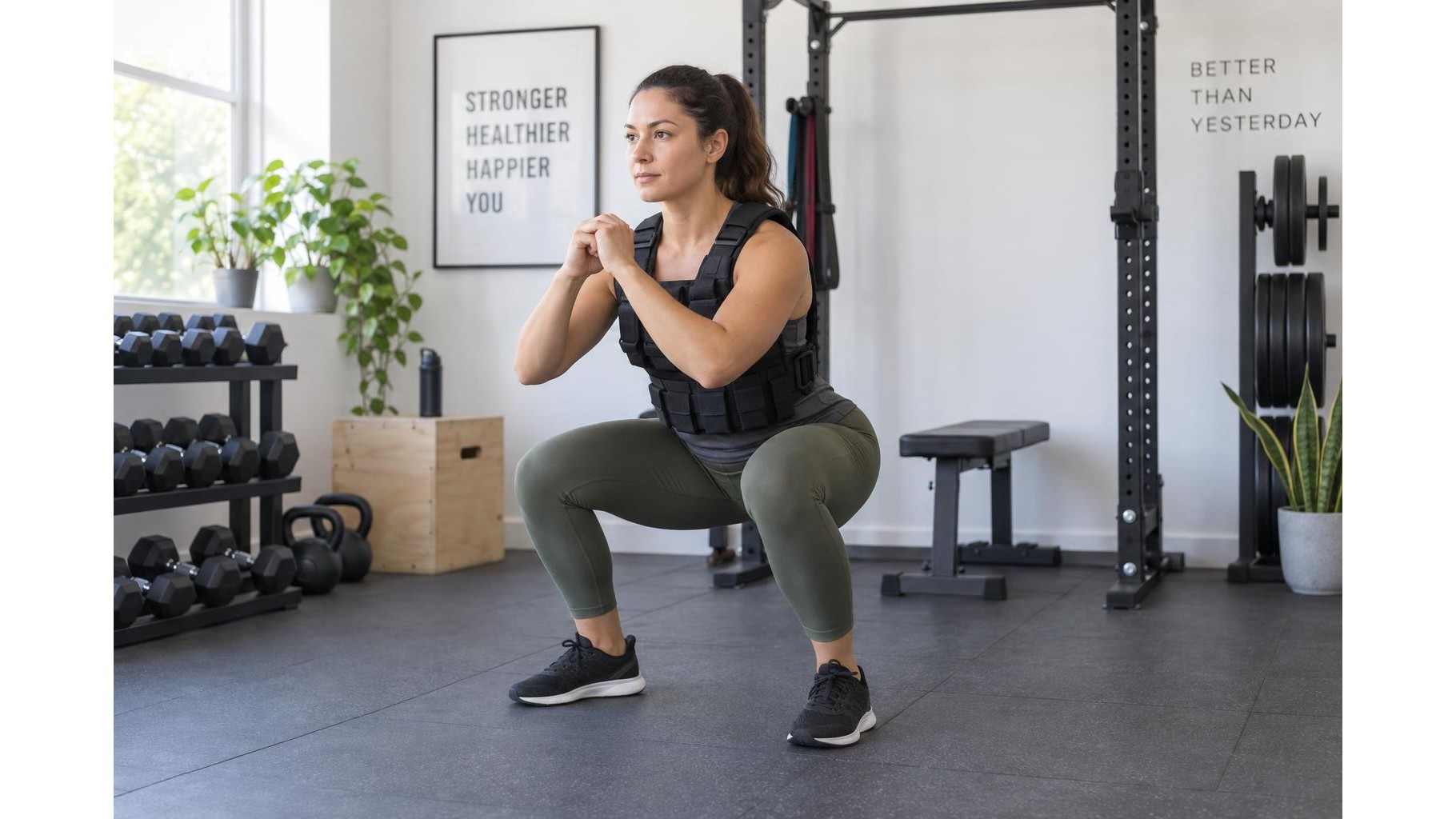
A compact adjustable weight vest can make familiar bodyweight exercises more challenging without taking up the space required by larger home gym equipment. The right choice should feel secure, allow small and manageable load changes, and leave you free to move well. Consider fit, weight distribution and the exercises you plan to do before choosing a vest or deciding how quickly to add resistance.
Choose a close, adjustable fit
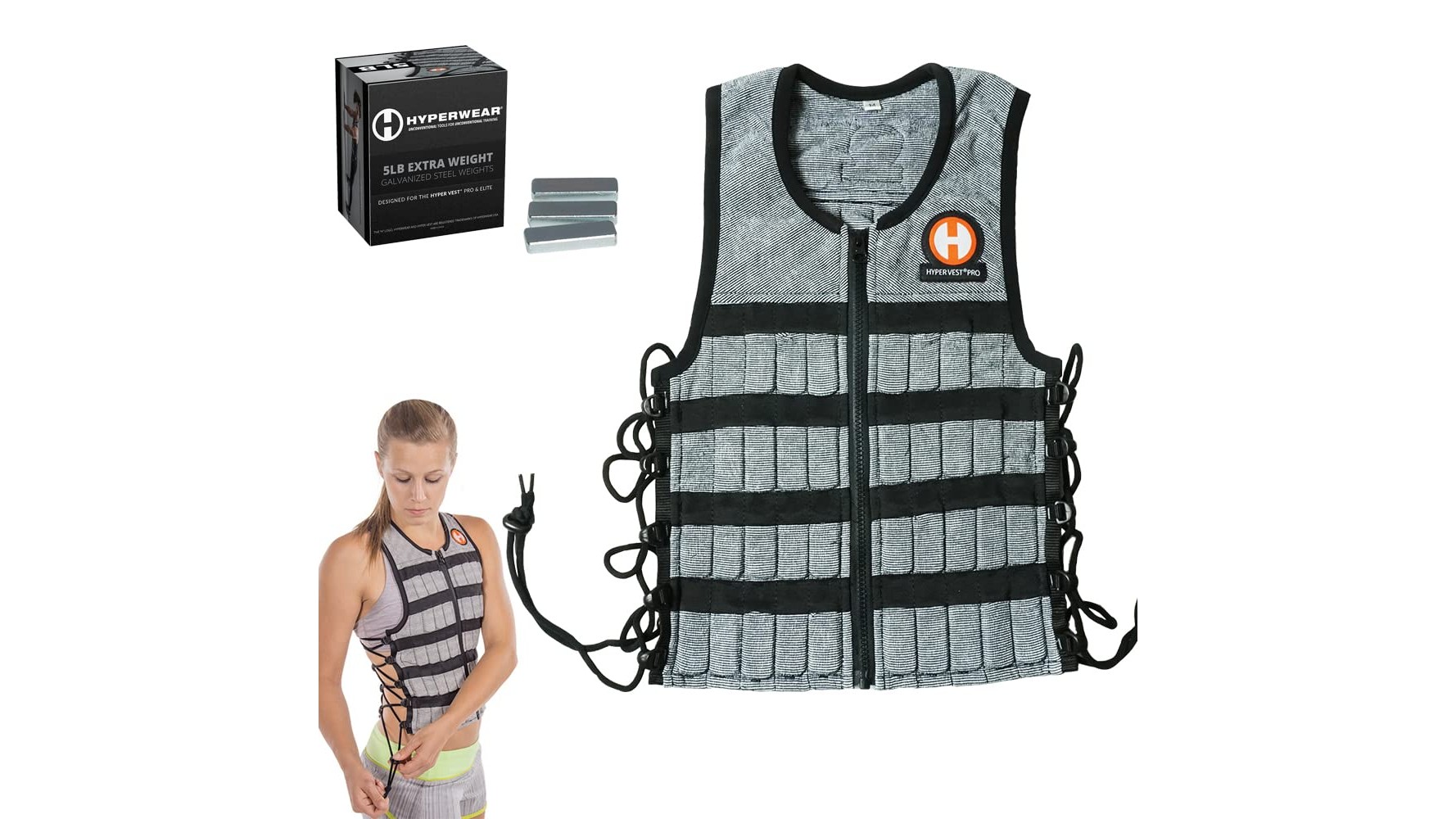
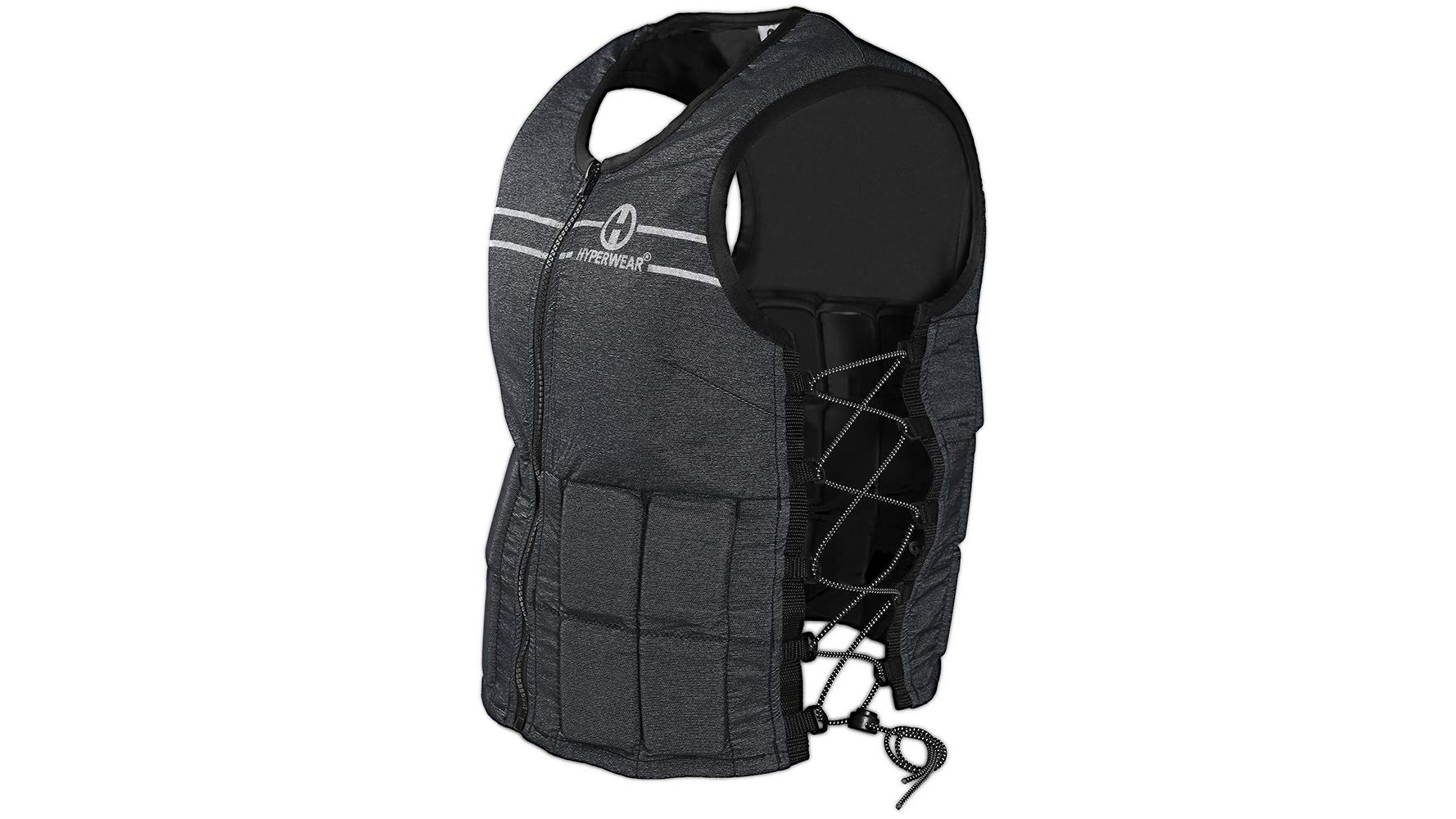
A vest should sit snugly against your torso without bouncing, pinching or restricting a full breath. Look for adjustable shoulder and side straps so you can secure it over the clothing you typically wear for training. Check the maker’s sizing guidance and measure your chest if needed; a vest that fits one person may shift on another, even at the same body weight. When trying it on, walk, squat and raise your arms. If the vest rides up or swings, adjust it or consider a different cut. A close fit matters especially for jumping, running in place and other dynamic movements.
Check load increments and total capacity
Removable weights let you build resistance gradually and use the same vest for different exercises. Check both the maximum load and the size of each insert: smaller increments make it easier to progress conservatively, while large jumps can be too demanding for beginners. Confirm that the vest includes the weights you expect, and that all pockets can be filled evenly. A high stated capacity is not automatically useful; choose a range that suits your current training and leaves room for future progress without encouraging rushed increases.
Prioritise balanced, secure loading
Weight should be distributed evenly across the front and back, with inserts held firmly in their pockets. Uneven loading can pull the torso out of position, while loose inserts may shift during a set. Inspect pocket closures, seams and fasteners, and check that every weight is seated correctly before training. If the vest allows partial loading, follow its instructions for keeping the load balanced rather than filling only one side. Recheck the fit after changing the weight, since added load can make straps feel different.
Match the vest to your movements
Compact designs can work well for controlled exercises such as squats, step-ups, push-ups and walking, but bulk around the shoulders or chest may interfere with floor work, overhead movement or deep positions. Test a few unloaded repetitions of your intended exercises while wearing the vest. You should be able to maintain your usual range of motion and posture without the vest pressing painfully into your neck, ribs or hips. For fast, high-impact movements, begin with a light load and avoid using a vest that bounces or shifts.
Progress gradually and inspect regularly
Start with bodyweight movements you can already perform with consistent technique. Add a light load, then use the vest only for a manageable number of sets while monitoring how your form and breathing feel. Increase either the load or the training volume at a time, not both together, and reduce the weight if you cannot control the movement. Beginners should prioritise movement quality; experienced trainees should still treat a new vest or exercise as a fresh loading challenge. Stop if you feel sharp pain, dizziness or unusual shortness of breath. Check straps, stitching and weight pockets regularly for wear.
For home training, the best adjustable vest is not necessarily the heaviest or most feature-packed. Choose one that fits securely, supports balanced small load changes and allows the movements you actually perform. Start conservatively, progress only when technique remains sound, and inspect the vest before each session. Those simple checks make progressive resistance more practical and help keep training controlled.