Introduction
A smart scale can make it easier to follow weight trends at home and bring measurements into the apps you already use. But the most useful choice is not necessarily the one that promises the most body metrics. Before buying, consider app compatibility, profiles for everyone who will use it, consistent measurement conditions and how your data is handled. Above all, treat body-composition readings as estimates—not a diagnosis or a precise measure of fitness progress.
Check app compatibility first
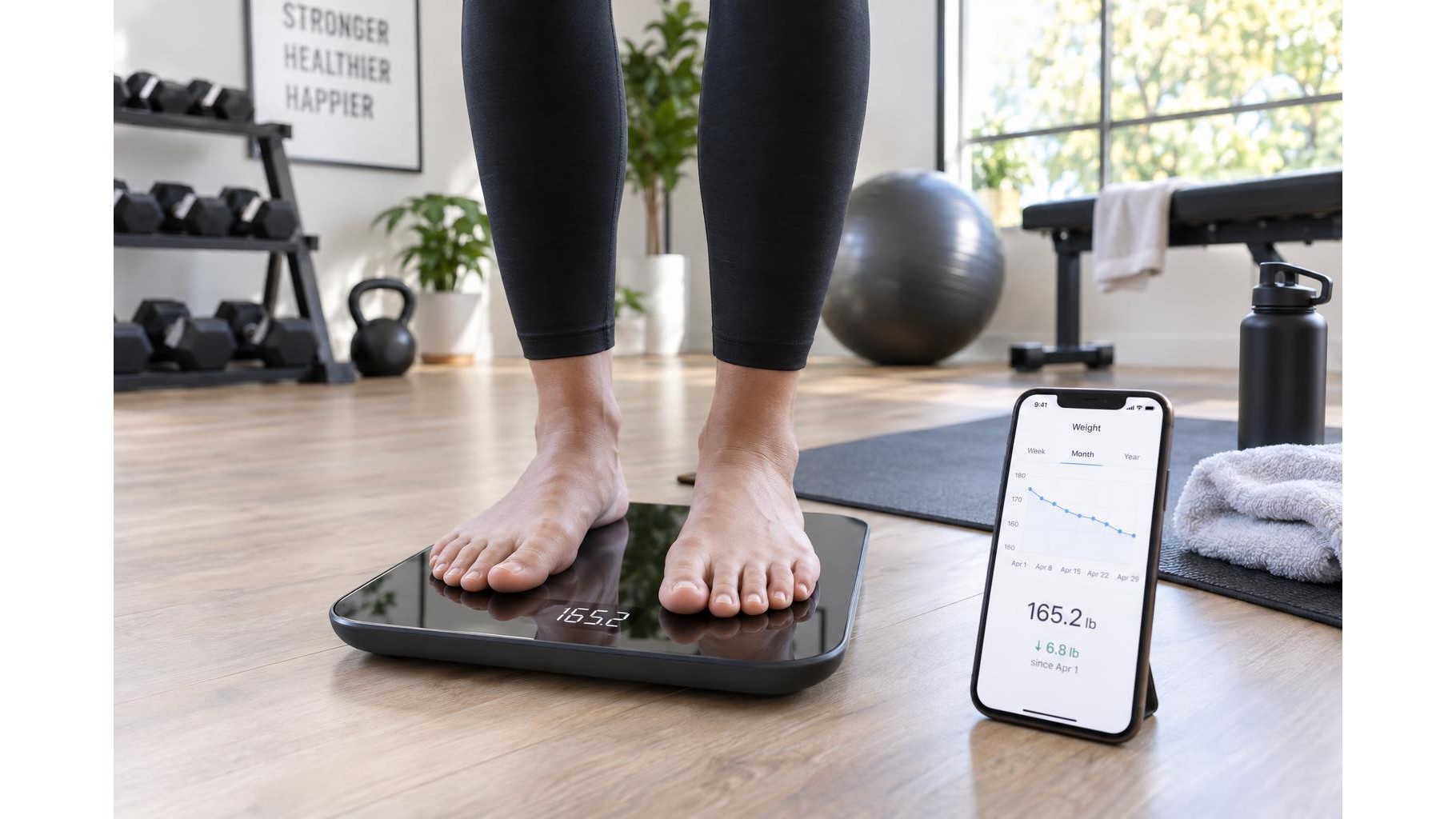
Start by checking whether the scale’s app works with your phone and operating system, then see whether it can share data with the health or fitness platforms you already use. Compatibility can vary: a device may sync with one service but not another, or require its own app for setup and history. Look for clear information about Apple Health, Google Fit or your preferred training platform, and check whether syncing requires an account, subscription or internet connection. If you use a smartwatch or food-tracking app, confirm that the connection works in the direction you need. An attractive list of integrations is less useful if the scale cannot reliably transfer your measurements.
Make sure profiles suit your household
Many connected scales support multiple users, but identification methods differ. Some ask users to choose a profile in the app; others attempt to match a new reading to saved profiles based on previous measurements. Check the stated number of users and what happens when two people have similar weights. Guest or athlete modes may also be available, although these settings can change the way measurements are interpreted. For a shared scale, profiles should keep each person’s history separate and make it easy to correct a misassigned reading. Consider whether household members can see one another’s data, especially if the app shares information across accounts.
Prioritise repeatable weigh-ins
Day-to-day weight naturally fluctuates with hydration, meals, exercise and other factors. A useful scale is one that gives reasonably consistent readings when used under the same conditions. Place it on a hard, level floor, rather than carpet, and use it in the same location. Weigh at a similar time—often in the morning, before eating—and follow the manufacturer’s instructions. Check the maximum capacity, display readability and whether the platform feels stable. Batteries, connectivity and app synchronisation also affect convenience. Use weekly averages or longer-term trends instead of reacting to a single reading; consistency in your routine matters more than frequent checks.
Understand what the numbers mean
Depending on the model, a smart scale may record weight, estimate body fat percentage, muscle mass, body water, bone mass or a metabolic indicator. Most body-composition readings rely on bioelectrical impedance: a small electrical signal passes through the body, and an algorithm estimates composition. Hydration, recent exercise, food, skin temperature and the device’s assumptions can all affect results. These figures are not direct measurements, and different scales may produce different estimates for the same person. Treat them as rough indicators that may help show a broad trend under similar conditions—not as medical results, proof of muscle gain or a reason to change treatment. For clinical questions, consult a qualified healthcare professional.
Review privacy and data controls
A connected scale can create a sensitive record of weight and related measurements. Read the privacy policy before creating an account: find out what data is collected, where it is stored, whether it is shared with third parties and how long it is retained. Check for account deletion and data export options, and use a strong, unique password. If cloud syncing is optional, decide whether its convenience is worth the additional data sharing. Also consider whether app access can be limited for other household members. A clear policy and practical controls are meaningful buying criteria, not minor details.
Choose for useful trends, not extra metrics
The best smart scale for home fitness is one that fits your phone, separates household profiles reliably, measures consistently and gives you understandable privacy controls. Compare the app and ongoing costs as carefully as the hardware, and do not pay extra simply for a longer list of estimated body metrics. Use weight readings as one part of a broader picture that can include training performance, energy, recovery and how you feel. With a repeatable routine and realistic expectations, a smart scale can help you notice longer-term patterns without mistaking estimates for certainty.