Long hours at a desk can leave your upper back feeling stiff and your shoulders reluctant to move. A few minutes of gentle thoracic mobility can help you explore comfortable movement before a home workout or after work. This short sequence needs no special equipment: move slowly, keep your breathing easy, and work within a range that feels comfortable rather than forcing a stretch.
Settle your posture and breathe
Start seated near the front of a stable chair, with both feet resting on the floor and your hands relaxed on your thighs. Let your shoulders soften and allow your spine to find a natural, upright position without trying to sit rigidly. Take three slow breaths, directing each inhale into the sides and back of your rib cage. As you breathe out, release any unnecessary tension in your jaw and shoulders. This is a moment to notice how your upper back feels, not to judge or correct it. Keep the breath smooth throughout the routine; if you find yourself holding it, make the movement smaller.
Seated upper-back rounding and opening
Stay seated and rest your hands on your thighs. As you breathe out, gently round your upper back, letting your shoulder blades move apart and your chin dip slightly. Keep the motion focused around the upper and middle back rather than collapsing your whole body. On an easy inhale, return to neutral and gently lift your breastbone, allowing the shoulder blades to draw a little closer. Avoid leaning far back or pushing your ribs forward. Repeat for six to eight slow cycles, moving only through a comfortable range of motion. The goal is an easy glide between positions, not a deep stretch.
Gentle seated thoracic rotation
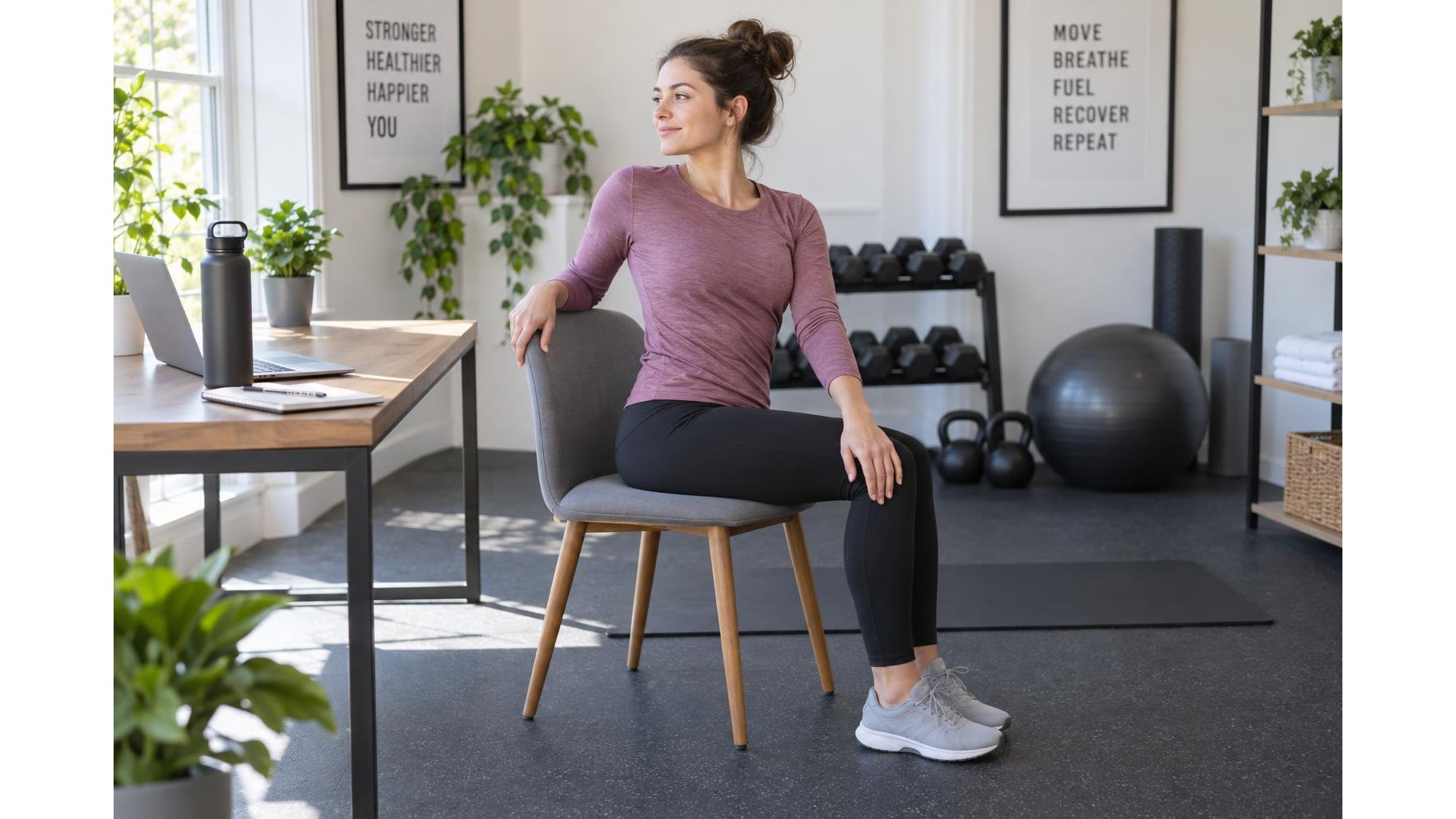
Sit tall with your feet grounded and cross your arms loosely over your chest. Breathe in to prepare. As you breathe out, turn your rib cage a small amount to one side while keeping your pelvis facing forward. Let your head follow the turn naturally, without pulling on your neck. Inhale as you return to the centre, then repeat on the other side. Complete four or five turns each way at a relaxed pace. Keep both sides of the movement similarly easy; there is no need to match the range exactly. Stop short of any pinching or strain.
Hands-and-knees thoracic rotations
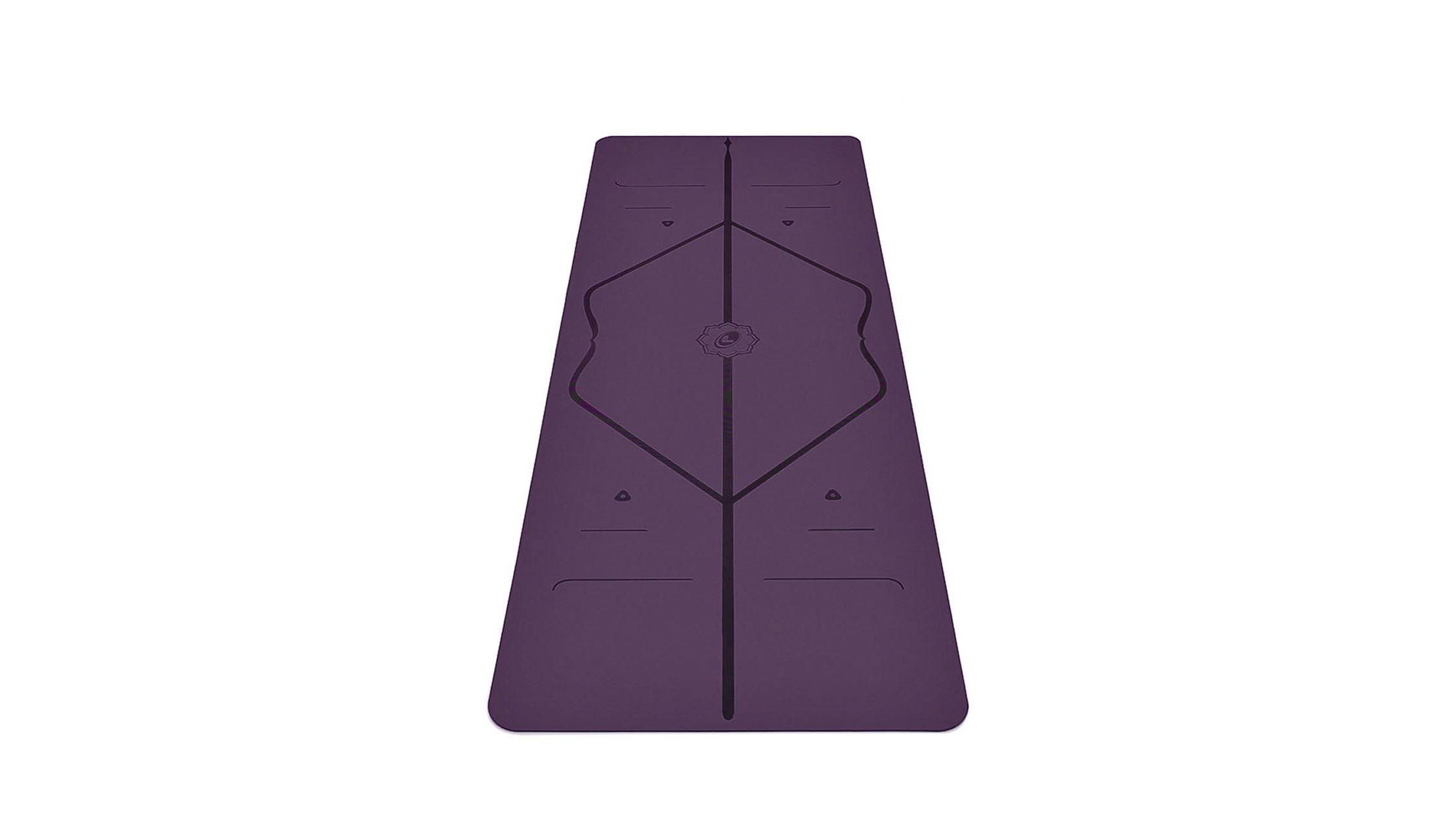
If getting down to the floor is comfortable, come onto your hands and knees, placing your hands under your shoulders and knees under your hips. Keep your neck relaxed. Place one hand lightly behind your head, then breathe out as you turn that elbow gently towards the supporting arm. Inhale as you open the elbow towards the ceiling, turning through your upper back without shifting your hips markedly. Use a small, controlled arc and avoid pulling your head with your hand. Try four repetitions per side. If kneeling is uncomfortable, skip this movement and repeat the seated rotation instead.
Finish with relaxed shoulder-blade movement
Return to sitting or stand with your arms resting by your sides. Slowly draw your shoulders up, ease them back, and let them settle down, making small circles rather than large forced rolls. Repeat five times, then reverse direction. Keep your ribs relaxed and breathe normally. Follow with a gentle reach: extend both hands forward at shoulder height, allowing your shoulder blades to spread, then bring your arms back without squeezing hard. This simple finish encourages the shoulder blades to move freely alongside the upper back.
Make the routine a comfortable habit
Use the sequence as a brief movement break after long periods of sitting or as an easy warm-up before home training. One round should take only a few minutes; consistency and comfort matter more than intensity. Movements should feel controlled and pain-free. Stop if an exercise causes pain, dizziness, numbness, tingling, weakness, or any other unusual symptoms. If symptoms persist or concern you, seek advice from a qualified healthcare professional. A gentle routine is a way to explore movement, not a substitute for individual medical guidance.