Comfort starts with the right kit
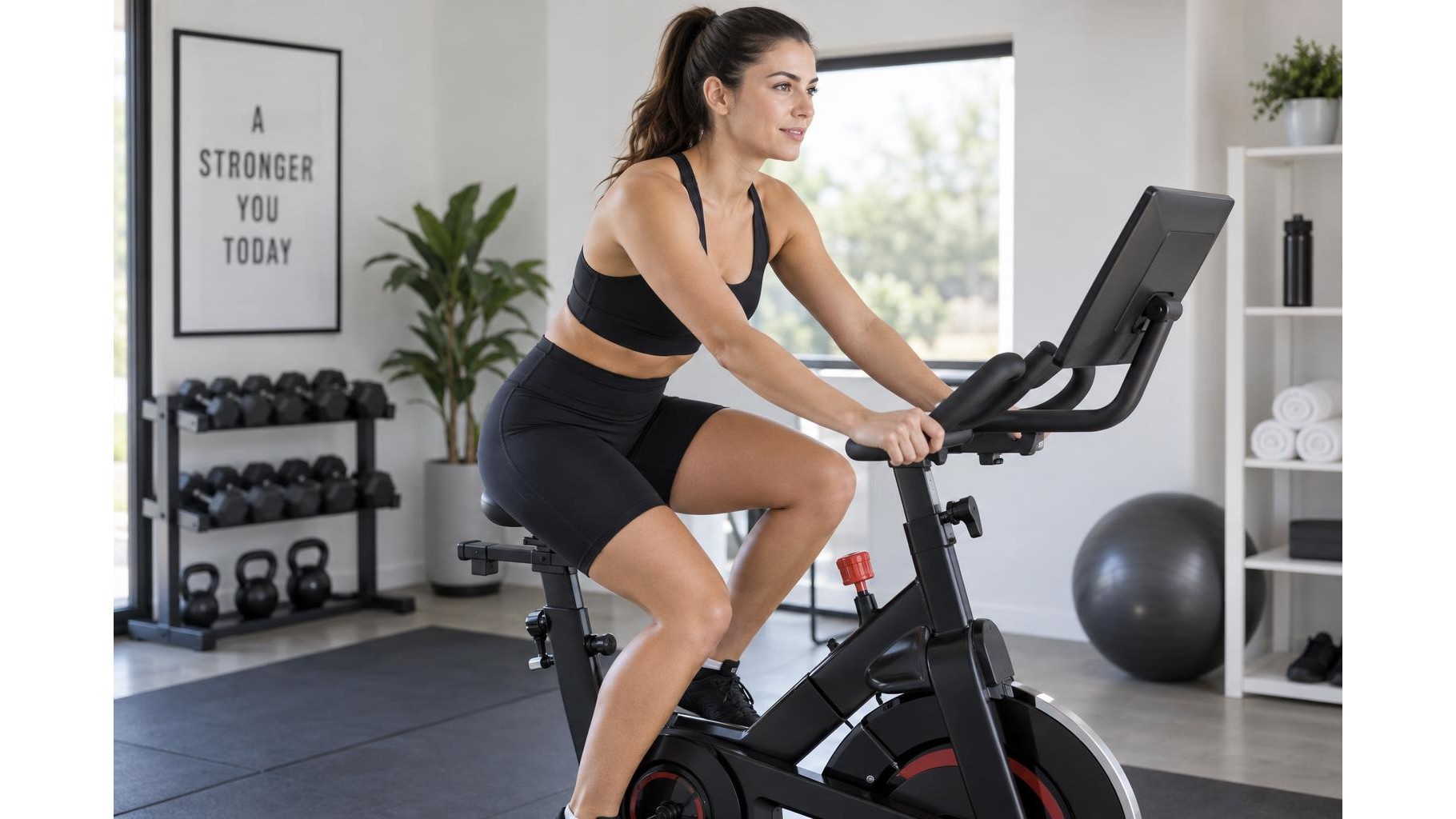
Indoor cycling puts repeated pressure on the saddle and keeps you moving in a warm, often humid room. Clothes that feel fine while standing can bunch, rub or trap heat once you settle into the riding position. The best outfit balances stretch, stable coverage, smooth seams and moisture management. Choose pieces for the length and intensity of your rides, and check how they feel seated—not just when you try them on standing up.
Look for stretch that moves with you
Cycling shorts and tops should allow your hips, knees and shoulders to move freely without fabric pulling tight or sagging. A blend with elastane or another stretch fibre usually follows the body more comfortably than rigid fabric. For shorts, look for close-fitting legs that stay in place as you pedal; overly loose fabric can fold and rub, while a fit that is too tight may restrict movement or create pressure. Try a few deep squats or cycling-like knee lifts when assessing fit. The fabric should recover its shape rather than becoming slack. Choose compression only if it feels supportive, not constricting.
Check seams and saddle contact points
Seam placement matters because cycling involves thousands of repeated movements against the saddle. Flatlock seams can reduce raised edges, and a smooth inner-thigh finish helps limit friction. Turn shorts inside out to inspect the stitching, especially along the crotch and leg openings. Avoid bulky seams that cross high-pressure areas. If you already know where you tend to chafe, make sure there is no seam or fabric fold directly over that spot. For longer rides, a purpose-designed cycling short with a well-positioned pad can add comfort; the pad should sit flat and stay aligned rather than bunching when you pedal.
Choose a waistband that stays put
A waistband should remain secure as you lean forward without digging into your stomach or rolling down. Wider waistbands often distribute pressure more evenly, while a soft, supportive panel can reduce slipping. Check the fit in a riding position: bend forward, move your legs and take a few breaths. If the waistband shifts or pinches, try another rise or size. High-rise styles may offer more coverage, while lower-rise cuts can feel less warm around the midsection. The right choice is personal; stable coverage should not mean restrictive compression.
Manage sweat with breathable layers
Indoor sessions can generate substantial heat, so prioritise lightweight, quick-drying fabrics that wick moisture away from the skin. A breathable synthetic blend is often more practical than cotton, which can stay damp and heavy. Choose a close-fitting top if you dislike fabric flapping, or a relaxed cut if you prefer airflow, but make sure it does not catch on the handlebars. A sleeveless top can help with cooling, while short sleeves provide more coverage. Avoid overdressing: a light layer is usually enough in a heated studio, and you can remove it once you warm up.
Prevent chafing on longer rides
Comfort depends on preparation as well as fit. Wear clean, dry kit and check for labels, rough hems or worn fabric before a long session. Keep seams smooth and avoid folds beneath the seat or at the inner thighs. If friction is a recurring issue, a cycling-specific anti-chafe balm may help; test it on a shorter ride first. Wash technical garments according to their care labels and replace shorts when the padding or elastic loses shape. Most importantly, do not assume discomfort is something to tolerate: adjust the fit, position or clothing before irritation becomes a problem.
Build an outfit around your ride
For comfortable indoor cycling, start with shorts that stretch, stay stable and have smooth construction, then pair them with a breathable top that suits your preferred fit. Test clothing in a seated position and pay attention to pressure, movement and heat. Small details—especially waistband security, seam placement and moisture control—can make a short workout pleasant and a longer ride far more manageable.