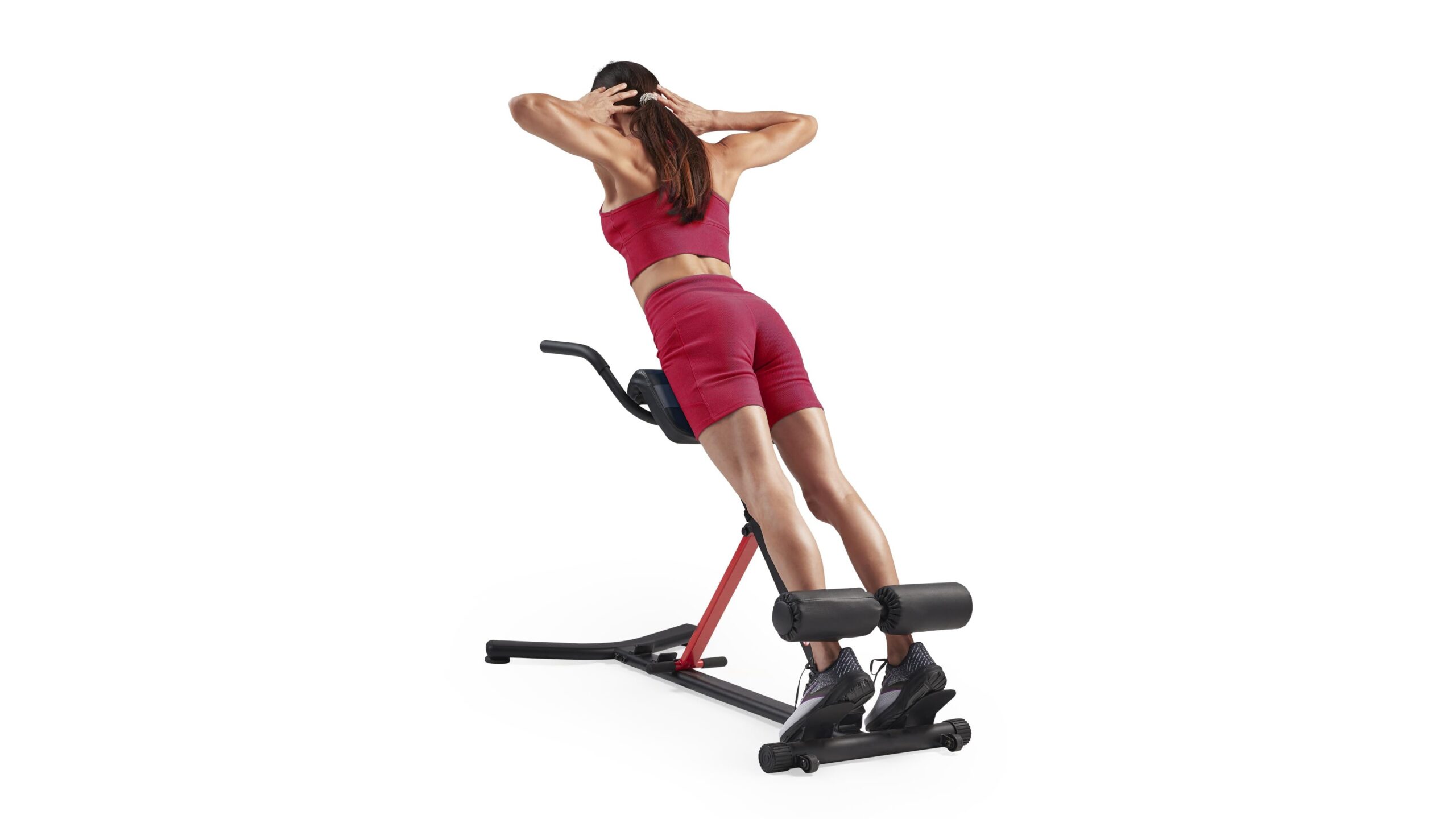
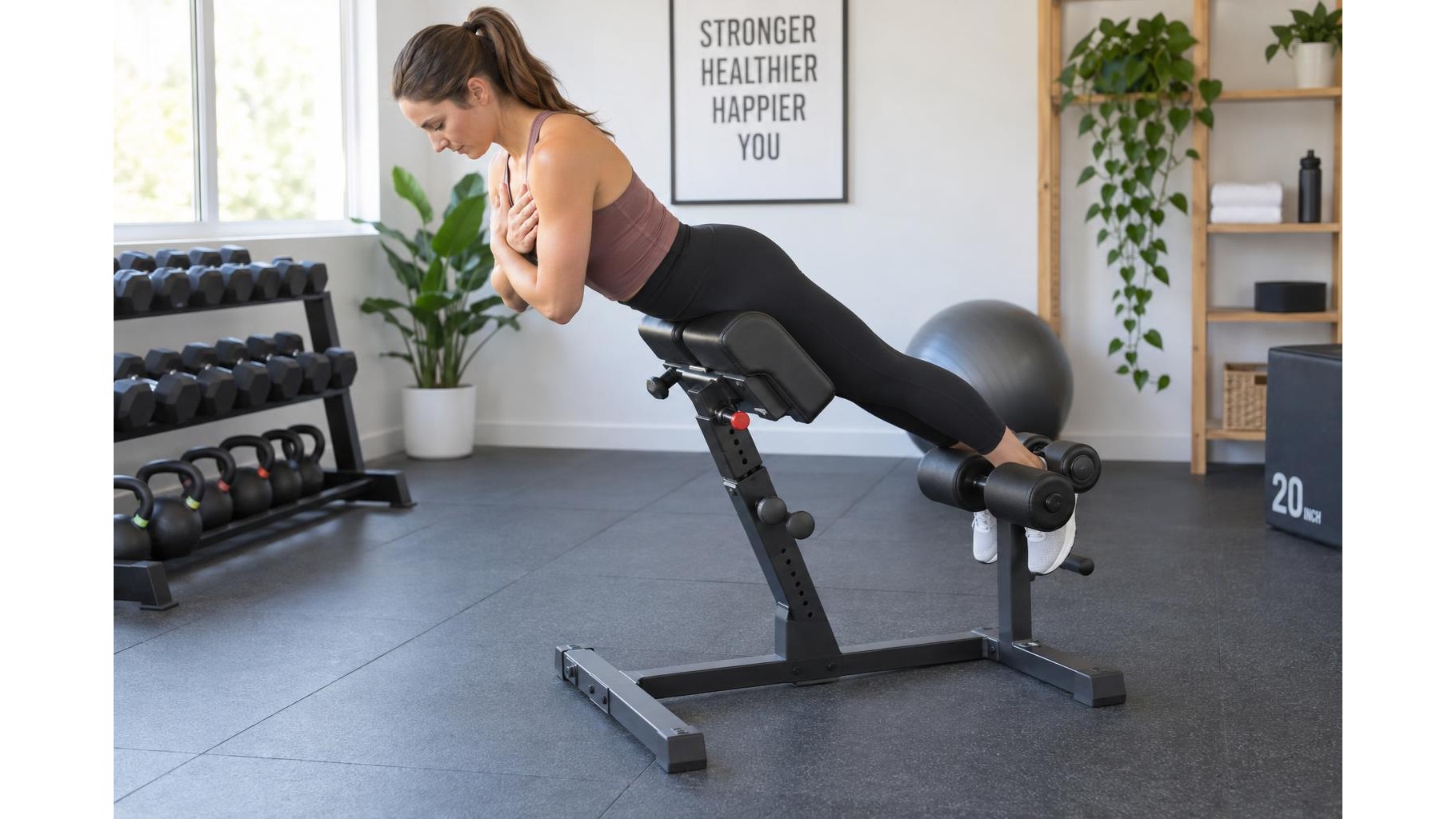
A Roman chair can support back extensions, oblique work and other bodyweight exercises in a home gym, but a poor fit or unstable frame can make training uncomfortable or unsafe. Before buying, compare the chair’s construction, adjustment options, storage needs and fit for your body. A sensible choice should feel secure, suit your available space and let you move with control.
Assess frame stability and construction
Start with the base: a wider footprint, solid joints and sturdy steel tubing generally help a chair feel planted during movement. Look for secure fasteners, non-slip feet and a frame that does not rock when you apply gentle pressure. Check the stated maximum user weight, but do not treat it as a guarantee of stability in every exercise. If possible, inspect the chair on a level surface and test it with controlled bodyweight movements before progressing. Avoid a model that shifts, creaks excessively or has loose adjustment parts. Stability matters more than extra attachments or a high number of advertised exercises.
Check the adjustment range
The hip pad and foot supports should adjust to your height and proportions. For back extensions, position the pad so its top edge sits around the crease of your hips, allowing you to hinge freely without pressing your abdomen against the support. Foot rollers should hold your legs securely without forcing an awkward ankle or knee position. Check that adjustment pins lock fully and that the range accommodates both the shortest and tallest intended users in your household. A chair with several settings is only useful if they are easy to change and remain firmly secured under load.
Measure the footprint and storage space
Measure the floor area where you plan to exercise, allowing room to mount and dismount and to move through the full exercise range. Compare those measurements with the chair’s dimensions, not just the advertised footprint. Also consider ceiling clearance if you plan to perform movements that raise your torso or legs. For a shared room, check the unit’s weight and whether it can be moved safely. A compact design may suit a small home gym, but a very narrow base can compromise the planted feel you need. Prioritise a workable balance between space efficiency and stability.
Evaluate folding mechanisms carefully
A folding Roman chair can save space, but its hinge and locking system deserve close inspection. Look for clear instructions, positive locking points and a mechanism that cannot fold unexpectedly during use. Confirm whether folding requires tools and whether the chair can be stored upright safely. Before each session, unfold it completely and check every lock, pin and fastener. Never exercise on a chair that is partly folded or whose locking mechanism feels loose. If you need to fold the equipment frequently, choose a design you can operate without awkward lifting or pinching your fingers.
Match the chair to your body and start gently
Check the manufacturer’s height and weight guidance, then consider whether the pads support your thighs and hips without sharp pressure. Set the chair on a level, non-slip floor, secure all adjustments and practise mounting and dismounting before exercising. Beginners can start with a small, comfortable range of motion and a few slow repetitions, keeping movement controlled rather than swinging or overextending the lower back. Stop if you feel pain, numbness, dizziness or unusual symptoms. A Roman chair is exercise equipment; it cannot diagnose or treat back pain. Seek guidance from a qualified healthcare professional about persistent or concerning symptoms.
Choose for safe, consistent training
The best Roman chair is one that fits your body, stays stable, adjusts securely and works in your available space. Check the frame and folding locks regularly, use controlled technique and increase training gradually. If you have back pain or a relevant health concern, ask a healthcare professional for personalised advice rather than relying on equipment or exercise to diagnose or treat it.