Choosing an adjustable dumbbell system is about more than finding the heaviest load that fits your budget. The right setup should support small, repeatable increases in resistance, feel secure in your hands and store neatly in your available space. This guide compares the key design choices so you can match a compact handle system to your training plan and check it safely before every session.
Choose increments that fit your progression
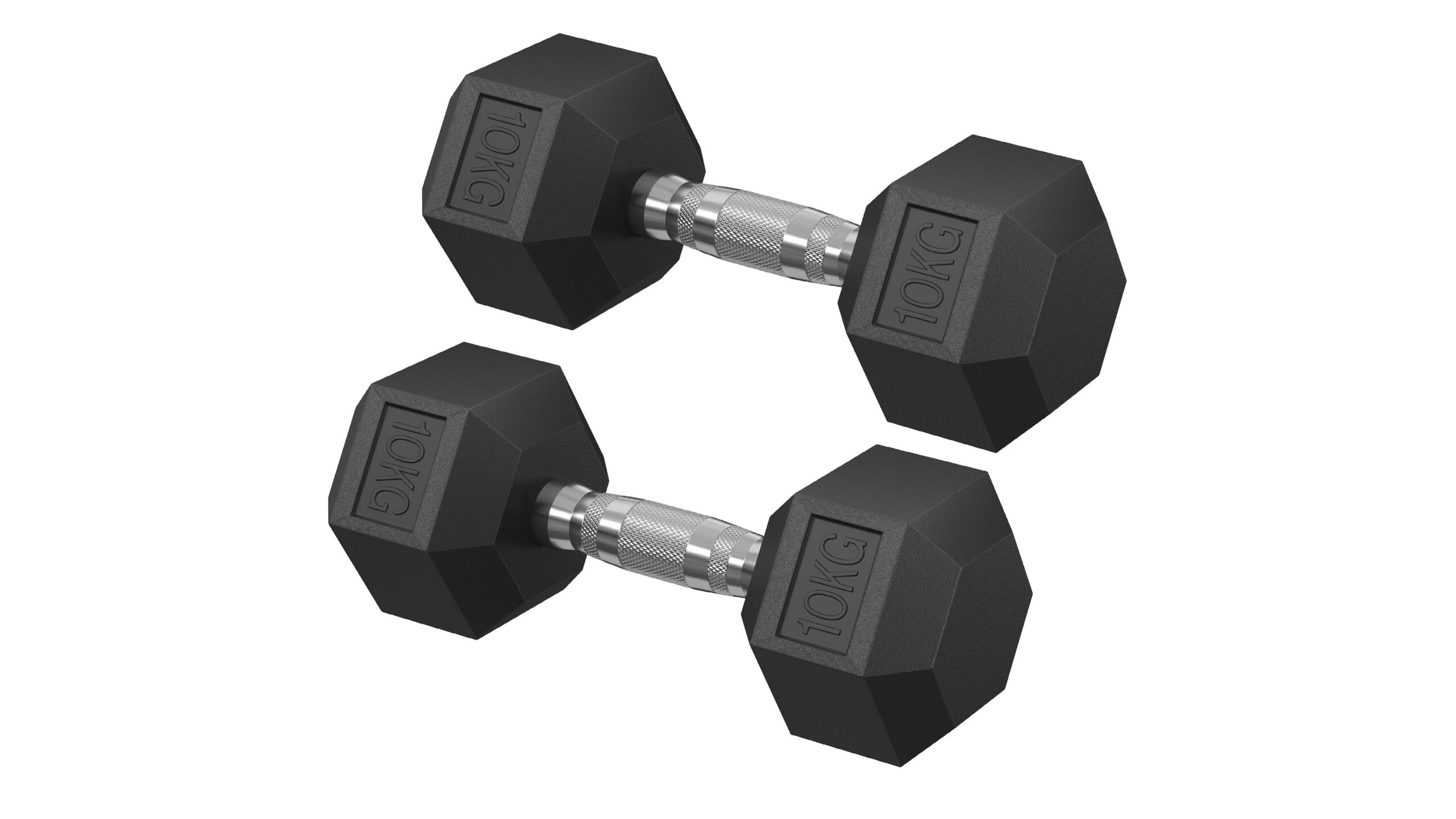
Look at the weight of each plate and the smallest increase you can make on one handle. Smaller increments make it easier to progress gradually on exercises such as lateral raises, curls and rehabilitation work; larger jumps may be acceptable for stronger movements, but can stall progress when the increase is too demanding. Check whether the quoted load applies to one dumbbell or the pair, and add the handle, collars and plates to confirm the actual working weight. A useful set should offer enough range for both lighter accessory exercises and the main movements in your programme.
Compare locking mechanisms
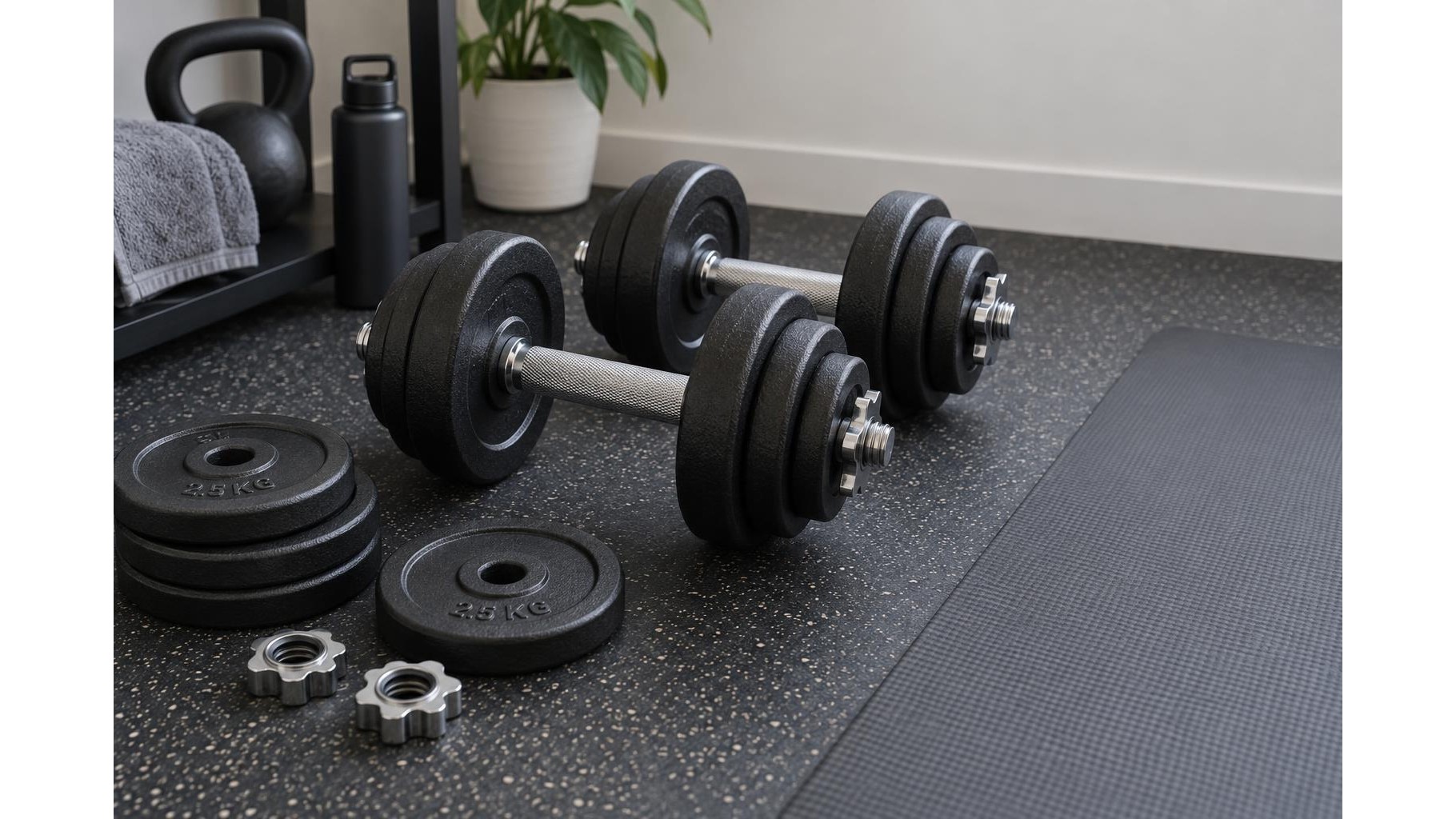
Traditional spinlock handles secure plates with threaded ends and screw collars. They are simple to understand and typically allow flexible plate combinations, but changing loads takes time and collars need to be tightened evenly. Quick-change designs can speed up transitions, though their selector, dial or pin must engage fully before lifting. Whichever system you choose, check that the locking parts are compatible with the handle and plates; do not improvise with mismatched components. A mechanism that is easy to inspect and operate correctly is more valuable than one that changes weight quickly but leaves you uncertain.
Assess grip comfort and control
Handle diameter, knurling and length affect comfort and stability. A textured grip can help sweaty hands hold securely, while aggressive knurling may feel uncomfortable during high-repetition sets. If possible, test the handle in your palm and check that it leaves enough clearance between your fingers and the plates or collars. Pay attention to balance, too: uneven plate loading can make a dumbbell feel awkward, especially during controlled presses and rows. Confirm the handle’s stated weight capacity and avoid exceeding it, even if the plates appear to fit.
Match storage to your available space
Measure the intended storage area before choosing a set, including room to remove plates and change the load safely. A compact tray or case can keep components together and reduce trip hazards, but the complete system may occupy more space than the handles alone suggest. Consider where you will exercise as well as where you will store the weights: long handles or wide plate stacks can restrict movement in a small room. Keep the equipment on a stable, level surface and store plates where they cannot roll, tip or be reached by children.
Build a practical safety check
Before each session, inspect handles, threads, collars, pins and plates for cracks, deformation, rust or looseness. Load plates evenly and symmetrically, then tighten the collars or confirm that the selector is fully engaged. Give the assembled dumbbell a careful check over a clear floor area before lifting; never test it by shaking it near your feet or another person. Stop if a part feels damaged, does not lock securely or moves during use. Follow the manufacturer’s assembly, maintenance and weight-limit instructions, and keep other people outside your lifting space.
Make the system serve your training
The best compact adjustable dumbbell system is the one that combines suitable weight increments, a locking method you can verify, a comfortable grip and storage that works in your home. Match its load range to your current exercises and realistic progression goals rather than buying capacity you cannot use safely. Before committing, compare the complete footprint, changeover process and component limits. Consistent, measured progression depends on equipment that is dependable, convenient to handle and checked before every workout.