
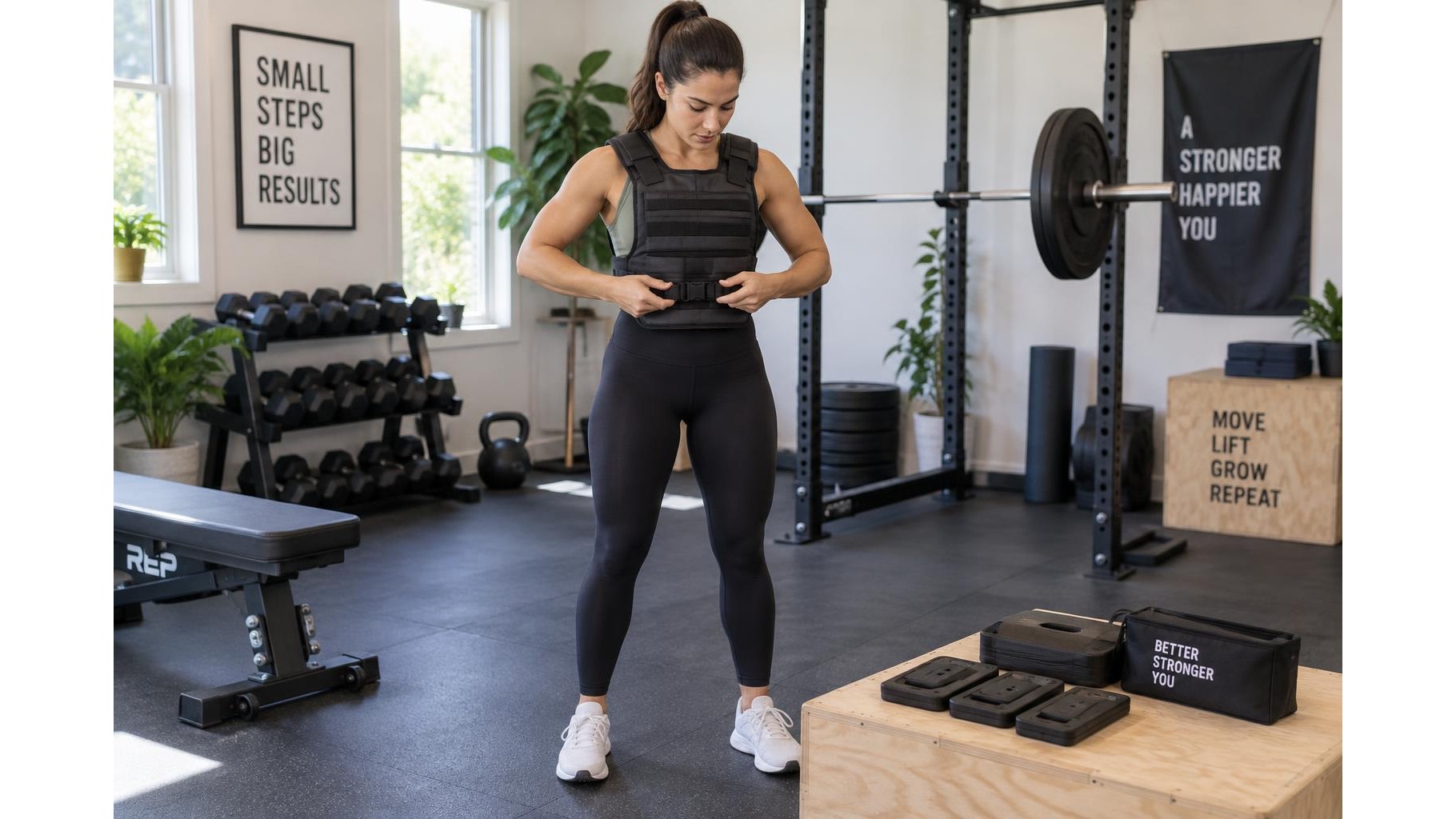
A compact adjustable weight vest can make familiar bodyweight exercises more challenging without taking up the space required by bulky equipment. The right choice should sit securely, allow natural movement and let you increase resistance in manageable steps. Use this guide to compare fit, loading, comfort and safety before choosing a vest for home training.
Start with fit and adjustability
A vest should stay close to your torso rather than swing, bounce or shift when you walk, squat or perform a push-up. Look for adjustable straps or closures that accommodate your body shape and workout clothing, while allowing enough room to breathe fully. Check the product’s stated size range and weight capacity instead of assuming one size will suit everyone. A compact design can be convenient in a small home gym, but it still needs to distribute its load evenly across the front and back. If possible, try it on and move through several basic exercises before committing. A secure fit is not merely a comfort feature: it helps keep the load predictable during movement.
Choose useful load increments
For progressive training, the ability to adjust the vest matters more than choosing the heaviest option available. Removable weight blocks or plates let you begin lightly and make small increases as your strength and technique improve. Check how many increments the vest allows, the weight of each insert and whether the load is balanced symmetrically. Smaller steps are particularly useful for exercises such as pull-ups, split squats and push-ups, where even a modest increase can noticeably change difficulty. Consider the vest’s total capacity in relation to your likely training needs, but do not buy extra load simply because it is offered. The best starting resistance is one you can use while maintaining sound form.
Assess comfort for home sessions
Comfort affects whether a vest becomes a regular training tool or stays unused. Check for padded contact areas, breathable materials and smooth seams that are unlikely to rub against the neck, shoulders or ribs. A vest should feel snug without restricting breathing or creating painful pressure points. Pay attention to how the weight rests on your shoulders and torso, especially if you plan to wear it for several exercises in a circuit. Removable weights are also helpful for taking the vest off quickly between sets and for cleaning or storing it. A compact vest should be easy to put away, but storage convenience should not come at the cost of secure weight pockets.
Check movement restrictions
Consider the exercises you actually plan to perform. A vest that works well for walking or squats may feel too bulky during burpees, floor presses or movements requiring a deep range of motion. Look for a profile that does not obstruct arm swing, hip flexion or comfortable contact with the floor. Test movements unloaded first, then add a light resistance and repeat them slowly. Stop if the vest shifts, catches on equipment or makes you alter your posture to compensate. For floor-based exercises, check that buckles and weight edges do not dig into your body. If your routine includes running or jumping, choose a design specifically suited to those activities and confirm that it remains stable.
Progress gradually and train safely
Use the vest to add resistance to exercises you already perform confidently, rather than using it to disguise inconsistent technique. Start with a light load, keep a few repetitions in reserve and increase either the resistance or training volume gradually—not both at once. If your form changes, your breathing becomes difficult or you feel joint pain, remove weight or stop the set. Allow recovery between demanding sessions, and avoid wearing added load for every exercise simply because the vest is available. Inspect seams, closures and weight compartments regularly, particularly after frequent use. Follow the manufacturer’s instructions for loading and care, and consult a qualified professional if you have a health concern or are unsure whether weighted training is appropriate.
Make the vest fit your training plan
Before buying, compare fit range, total capacity, increment size, comfort and freedom of movement against your home routine. A well-chosen vest should feel secure, be simple to adjust and support gradual progression without forcing you to compromise technique. Start conservatively, increase load in small steps and reassess how each exercise feels. With those priorities in mind, a compact adjustable vest can provide a practical way to keep bodyweight training challenging as your strength develops.









