
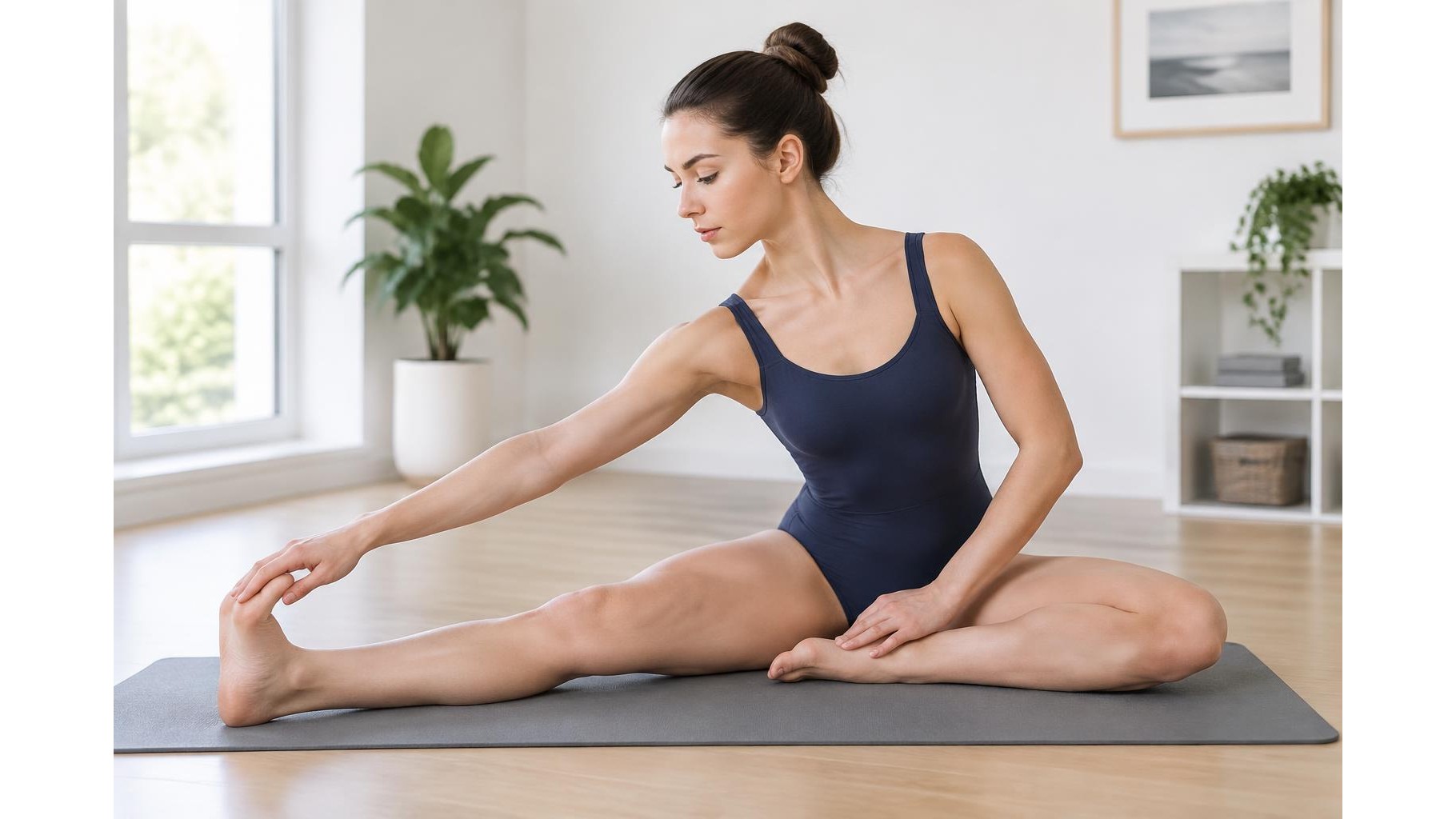
A training leotard can make home workouts feel more streamlined, whether your routine involves strength exercises, mobility work or dance-inspired combinations. The right choice should stay secure without restricting breathing or movement. Rather than focusing on appearance alone, assess the fabric, construction, coverage and fit against the way you plan to train.
Choose stretch that moves with you
Look for a soft, four-way-stretch fabric that moves across the body as well as up and down. A blend containing elastane or spandex can help the leotard accommodate deep squats, lunges, overhead reaches and floor work, while a close fit reduces excess fabric that might bunch during transitions. The material should recover its shape after stretching, not feel rigid or become loose with wear. For home sessions, breathable, moisture-managing fabric is useful, especially if your workout combines strength intervals with more energetic dance sequences. If possible, check the care label: simple washing and air-drying instructions make regular use easier.
Check lining and opacity
Coverage and opacity matter when a leotard is stretched in different positions. Check whether the front is lined, and look for reviews or product details that address sheerness when bending or reaching. A lining can add reassurance and reduce show-through, but it should lie flat rather than create bulky layers. Consider the colour and fabric weight too: lighter shades and thin materials may reveal more under bright room lighting. If you plan to wear the leotard on its own, choose a design with coverage that feels comfortable during floor exercises as well as standing movements.
Look closely at seams and straps
Seams can affect comfort as much as fabric. Smooth, flat seams are less likely to rub during repeated leg lifts, rolling or mat work. Pay attention to where seams sit: a prominent seam across a pressure point, such as the shoulder or hip, may become distracting in longer sessions. Straps should remain in place during arm circles and overhead movements without digging into the shoulders. A racerback can offer freedom through the shoulder blades, while wider straps may feel more supportive. Check that openings around the legs sit securely without pinching or shifting as you move.
Match coverage to your workout
Different sessions call for different designs. For strength training and mobility, a higher neckline or more substantial back coverage can provide a secure feel through bends and inverted positions. Dance-inspired workouts may suit a cut that allows unrestricted hip and shoulder movement. Consider whether you prefer a leotard with shorts, a higher-cut leg or a fuller brief-style bottom, and think about what you would comfortably wear underneath. The best option is the one that stays in position without requiring constant adjustment, letting you focus on technique.
Find a fit for your shape
Use the brand’s size chart and compare your measurements rather than choosing by your usual clothing size alone. Torso length is especially important: a leotard that is too short can pull at the shoulders, while excess length may wrinkle or shift. If you have a longer torso, look for tall or long-torso options where available. Fuller busts may benefit from a supportive inner lining, wider straps or a higher front; those with narrower shoulders might prefer adjustable straps or a secure racerback. Curvier hips, a fuller waist or different proportions can also affect how leg openings and body length sit. Prioritise comfort and a stable fit over a very compressive feel.
A supportive training leotard should combine flexible stretch, reliable coverage, smooth seams and a fit suited to your proportions. Check the size guide, consider the movements in your routine and choose a design that stays comfortable from warm-up to cool-down. When it supports your workout without distracting you, it is a practical addition to a home fitness wardrobe.









